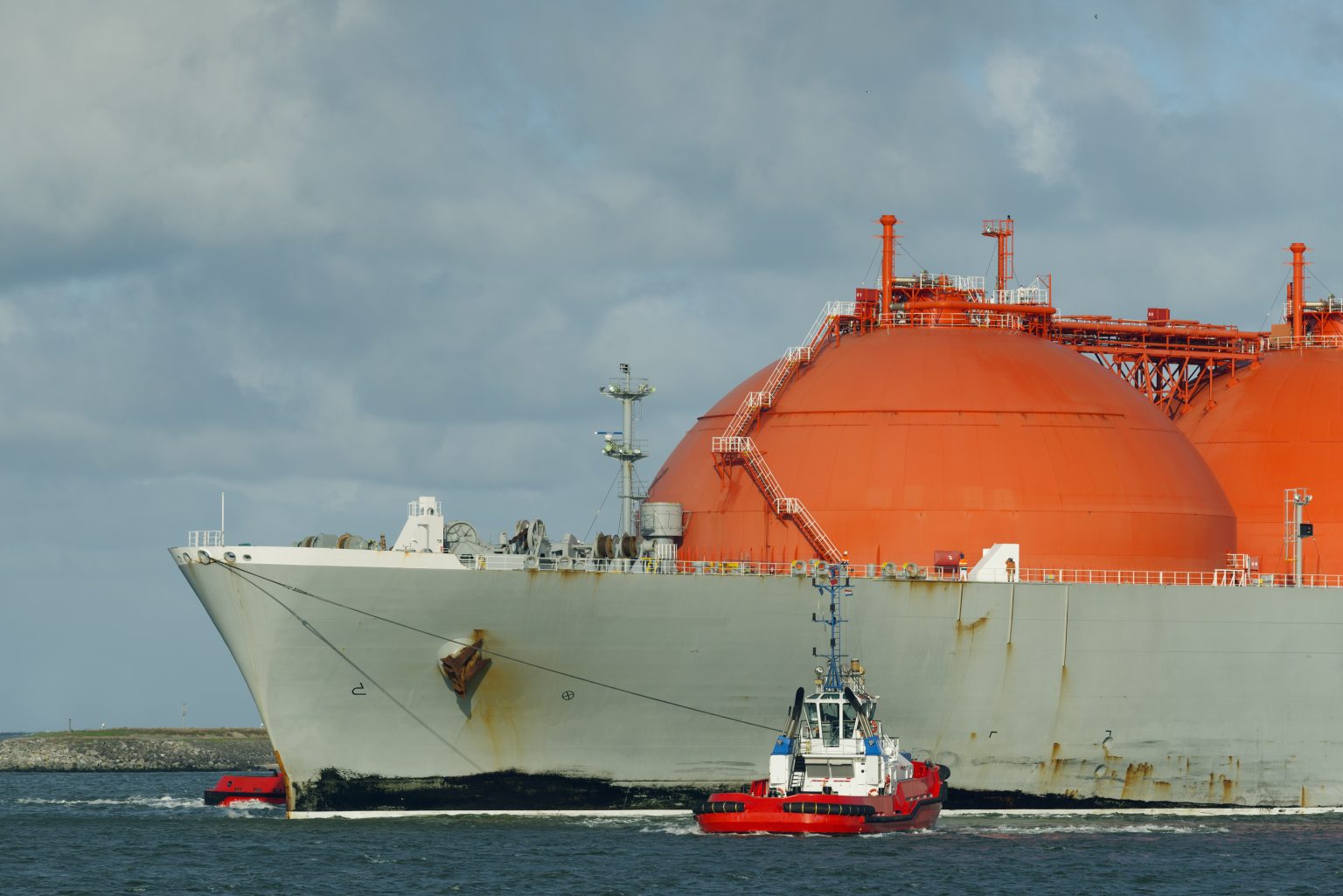

Hundreds of commercial vessels and oil tankers are queuing outside the Persian Gulf, hesitating to enter the strategic Strait of Hormuz despite a newly announced U.S.-Iran sanctions reprieve, according to shipping data and maritime industry executives.
The widespread gridlock underscores deep skepticism among international maritime operators, who remain deeply reluctant to risk multi-million-dollar vessels and cargo until Washington and Tehran solidify and strengthen the terms of their interim ceasefire agreement.
While the U.S. Department of the Treasury officially authorized a 60-day window for Iranian crude imports on Monday, real-time tracking data from shipping analytics firm Kpler revealed that commercial traffic through the chokepoint slowed to a crawl. Only five vessels crossed the waterway on Sunday, down sharply from 26 transits the previous day. The abrupt halt followed statement variants from Tehran claiming it would restrict passage due to alleged American and Israeli violations of the initial framework.
Adding to the legal and logistical uncertainty, tanker operators are grappling with conflicting signals regarding transit safety. While President Donald Trump declared over the weekend that there would be “no tolls” imposed on shipping during the 60-day peace talks, ship owners and insurers are holding back. Marine underwriters indicate that war-risk insurance premiums for the region remain prohibitively high, as companies await formal, legally binding safety guarantees from both sides before instructing fleets to resume normal operations through the volatile corridor.