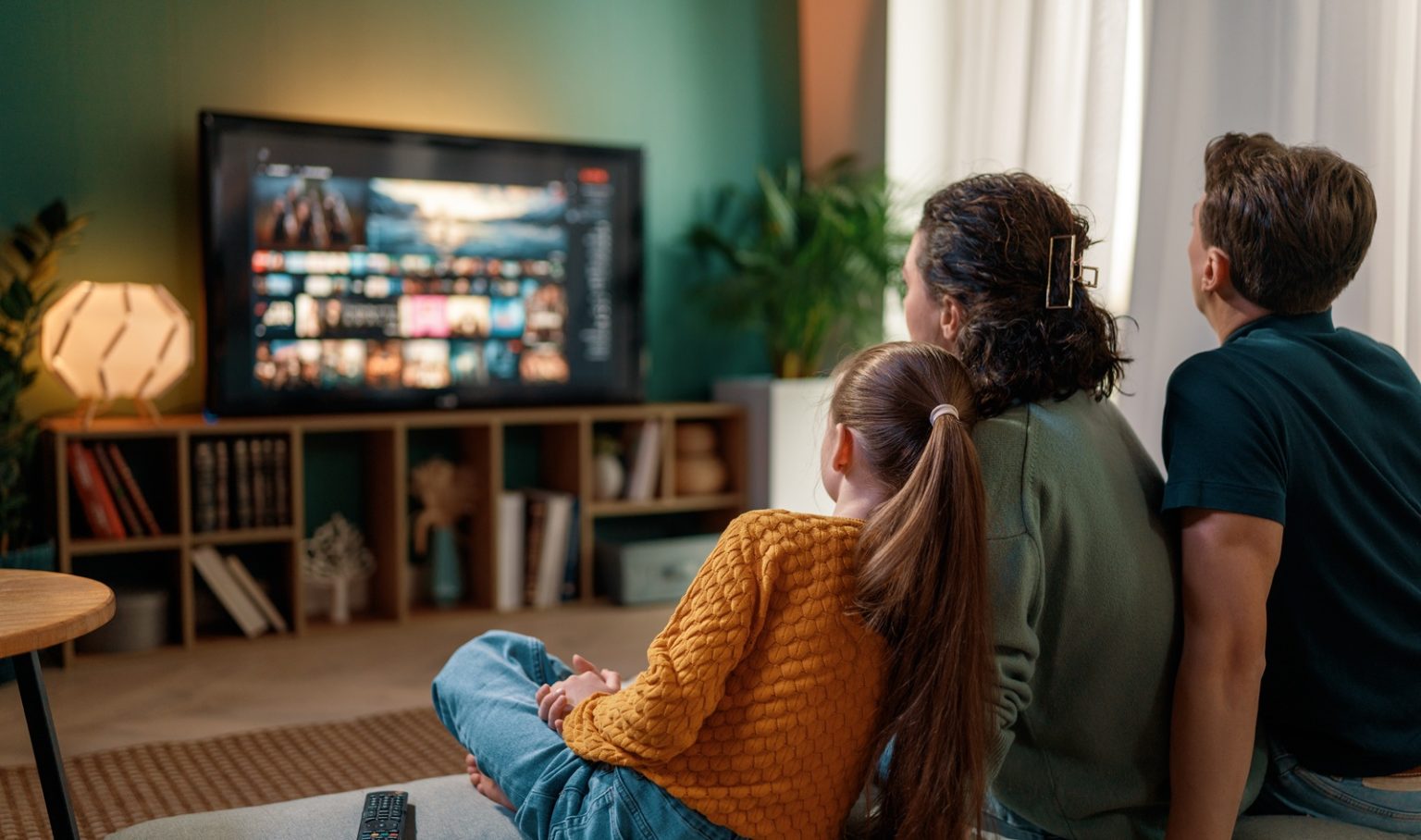
YouTube’s next creator battleground may not be the phone screen. It may be the couch.
A new Social Media Examiner article published Thursday lays out how YouTube’s push onto connected TVs is changing the way marketers and creators package videos, from thumbnails and channel banners to shopping links and AI-search answers.
The shift starts with how videos look on a big screen. YouTube has expanded thumbnail uploads from 2 megabytes to 50 megabytes, making higher-resolution images possible, while also introducing AI-powered upscaling for videos uploaded below 1080p. Creators can turn that feature off if they want to control quality themselves.
But the bigger change is measurement. YouTube is rolling out a metric called Unique Reach, which estimates how many people are watching a video, including co-viewers on the same TV screen. That gives creators and sponsors a broader view of audience size than account-based viewer counts.
AI is also moving into the living room. Ask YouTube, powered by Gemini, is expanding to smart TVs, gaming consoles and streaming devices, letting viewers use a remote’s microphone to ask questions, get AI-generated answers and search inside videos without leaving the app.
Liron Segev, a YouTube strategist cited in the article, said creators should answer the core question early in a video so AI systems can identify the content more easily. He also recommended saying URLs and social handles out loud, because TV viewers may not open video descriptions.
Commerce is part of the same push. YouTube is adding Buy with Google Pay on connected TVs, letting viewers buy products from ads and tagged shopping videos with a remote.
For creators, the message is simple: the scroll still matters, but YouTube now wants videos that can survive the living-room test.