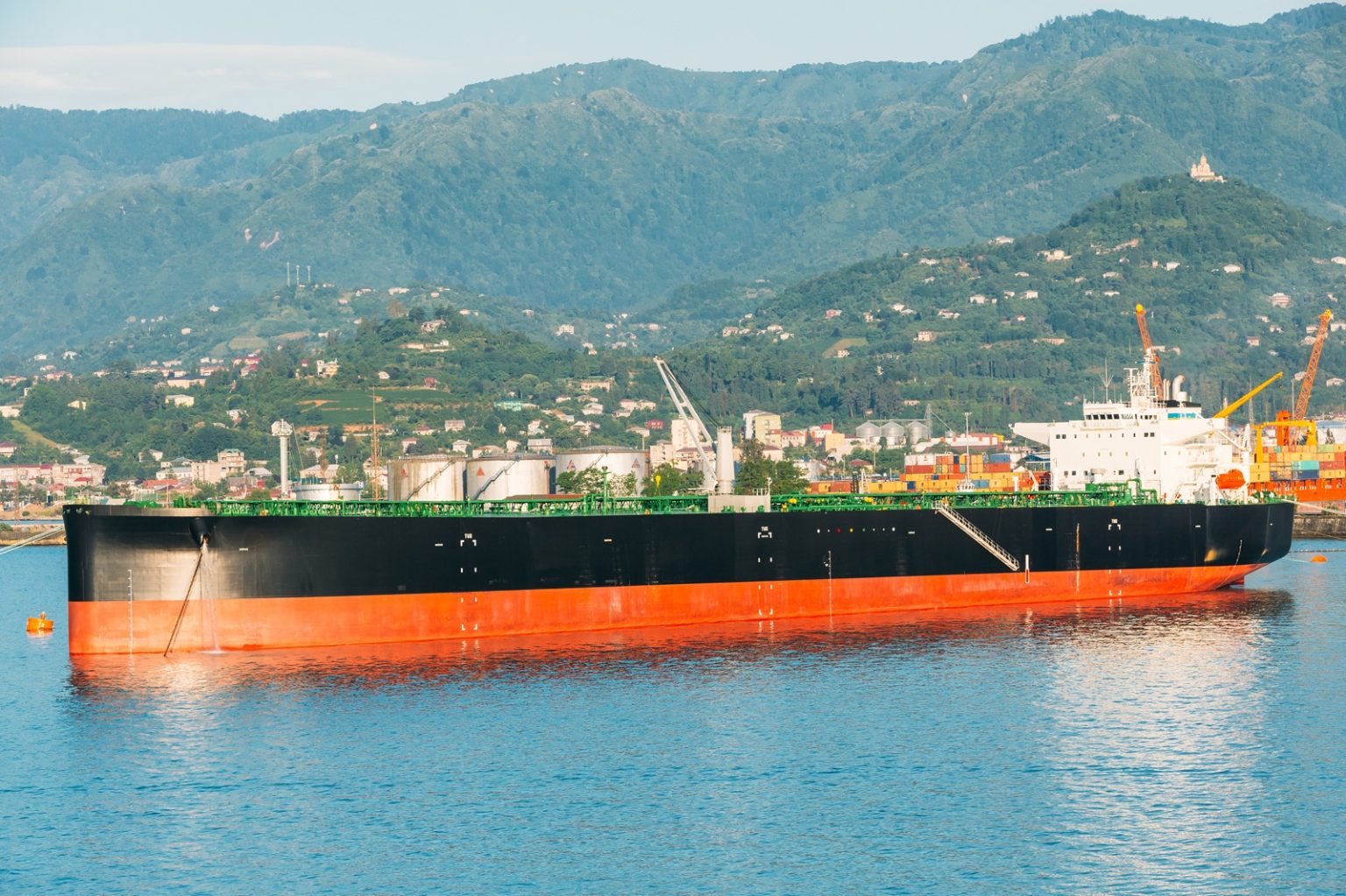
India and South Africa are moving to build emergency fuel stockpiles as the Middle East conflict forces developing economies to confront a basic risk: when oil routes are disrupted, households and businesses can quickly face rationing.
The plans centre on creating or expanding official fuel buffers, reserves that governments can draw on when imports are delayed, prices spike or supplies are diverted. For countries without deep storage capacity, even a short shock can feed through to transport costs, food distribution and factory output, Financial Times reported.
Both countries have been identified at the front of the push, with other developing economies also looking at buffers after wartime disruption exposed how thin their protection can be. The shift could affect public budgets, because building reserves requires storage sites, working capital and a decision on when to buy fuel in volatile markets.
For consumers, the practical goal is straightforward: fewer fuel queues, less rationing and more predictable prices when global supply is interrupted. For governments, the calculation is harder. Buying extra fuel can protect the economy in a crisis, but it can also tie up money needed for subsidies, power systems and debt payments.
Markets are watching oil near politically sensitive levels as the conflict continues to affect shipping, insurance and refinery planning. Developing countries that rely heavily on imported fuel have less room to absorb a supply shock than richer economies with larger emergency reserves.
The result is a race to add a buffer before the next disruption arrives. The fuel in storage may not lower prices by itself, but it can buy governments time when the pumps start running dry.