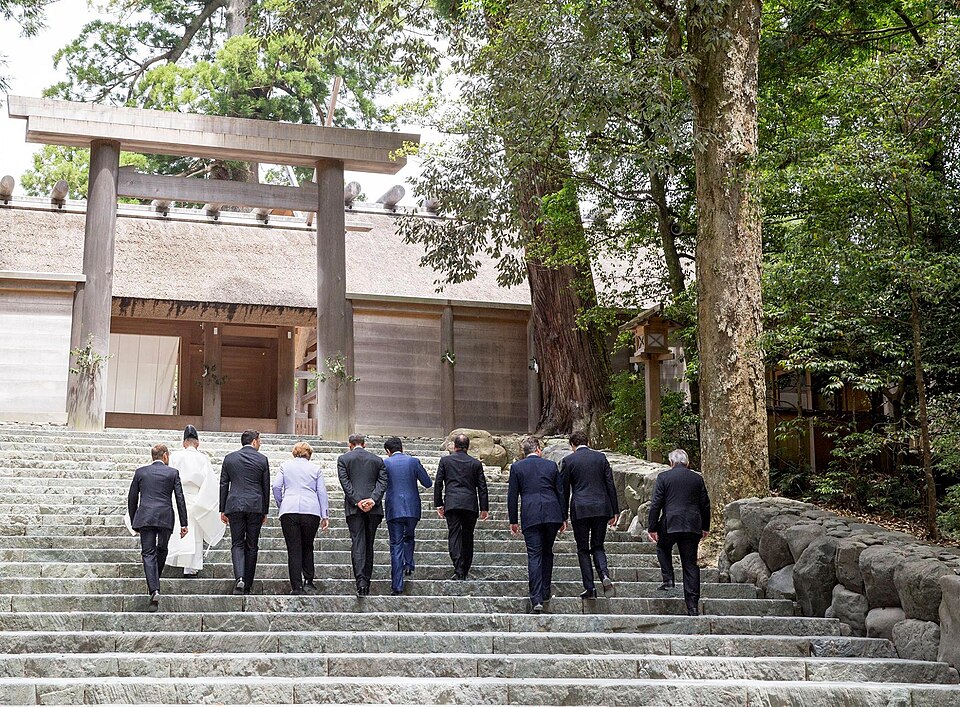

G7 leaders are meeting from today until Wednesday in Évian-les-Bains, France, as debate once again intensifies over whether the group of the world’s most powerful economies remains fully relevant without China.
The G7 summit was first held in 1975 in Rambouillet, near Paris, when major industrial powers gathered to address global economic instability. China was not part of the group at the time, as it was undergoing political turmoil and was far from its current economic position.
More than four decades later, the global economic landscape has changed significantly. China’s economy, which expanded rapidly following the death of Mao Zedong in 1976, is now larger than any individual G7 economy except the United States. It surpasses Germany, Japan, the United Kingdom, France, Italy, and Canada, raising questions about the group’s current relevance.
As a result, some analysts argue that the G7 no longer fully reflects today’s global economic reality without China’s participation.
“China has transformed from a small, harmless panda in 1975 into a major global dragon,” said John Kirton, a G7 expert from the University of Toronto, describing its dramatic rise in international influence.
The debate over whether to expand or redefine the role of the G7 remains open, as world leaders prepare to discuss key economic and geopolitical issues at the summit.