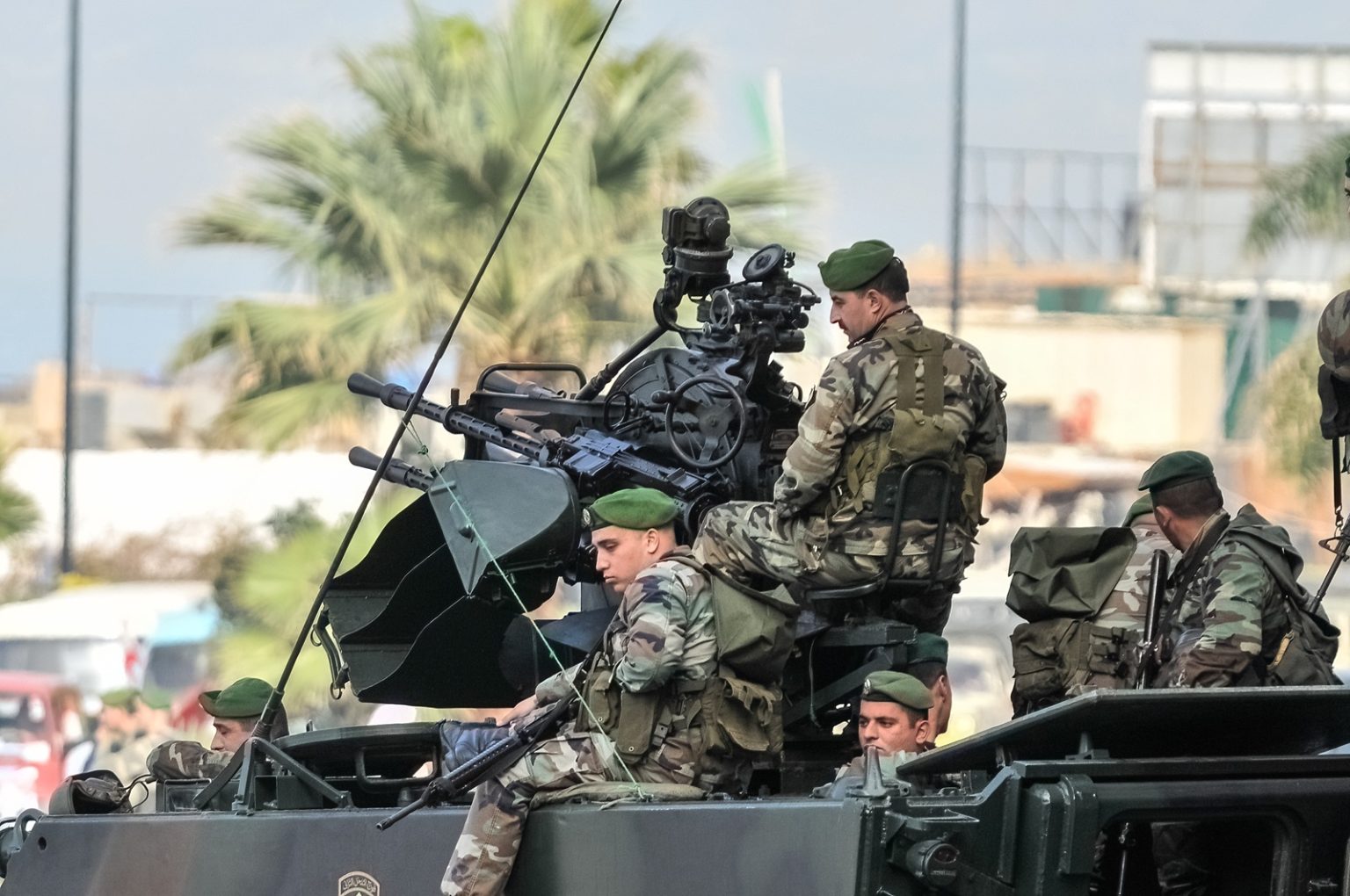
Lebanese soldiers have begun moving into three southern towns after Israeli troops withdrew, opening the first test of a US-backed security framework meant to bring families back to areas scarred by war.
The deployment is taking place in what the plan calls pilot zones, areas designated to test whether Lebanon’s army can take charge of security and keep Hezbollah out of those locations.
Lebanon’s prime minister visited one of the villages and planted a Lebanese flag there after the withdrawal, according to video from the area, Al Jazeera reported. The scene was meant to mark the return of state authority in towns where residents have been waiting for permission to go home.
The framework agreement with Israel is aimed at ending the war along the border. Its first phase is focused on limited areas rather than a wider pullback, with the army’s performance in the three towns likely to shape what happens in other parts of southern Lebanon.
For residents, the political choreography is secondary to a simpler question: when they can return, inspect damaged homes and restart daily life.
But the plan also carries risk. Hezbollah’s role in southern Lebanon remains a central point of dispute, and any new deployment that seeks to exclude the armed group from selected areas could face resistance or delays.
For now, the visible change is on the ground: Israeli troops have pulled out of the pilot zone villages, Lebanese soldiers have entered, and families are still waiting at the edge of home.