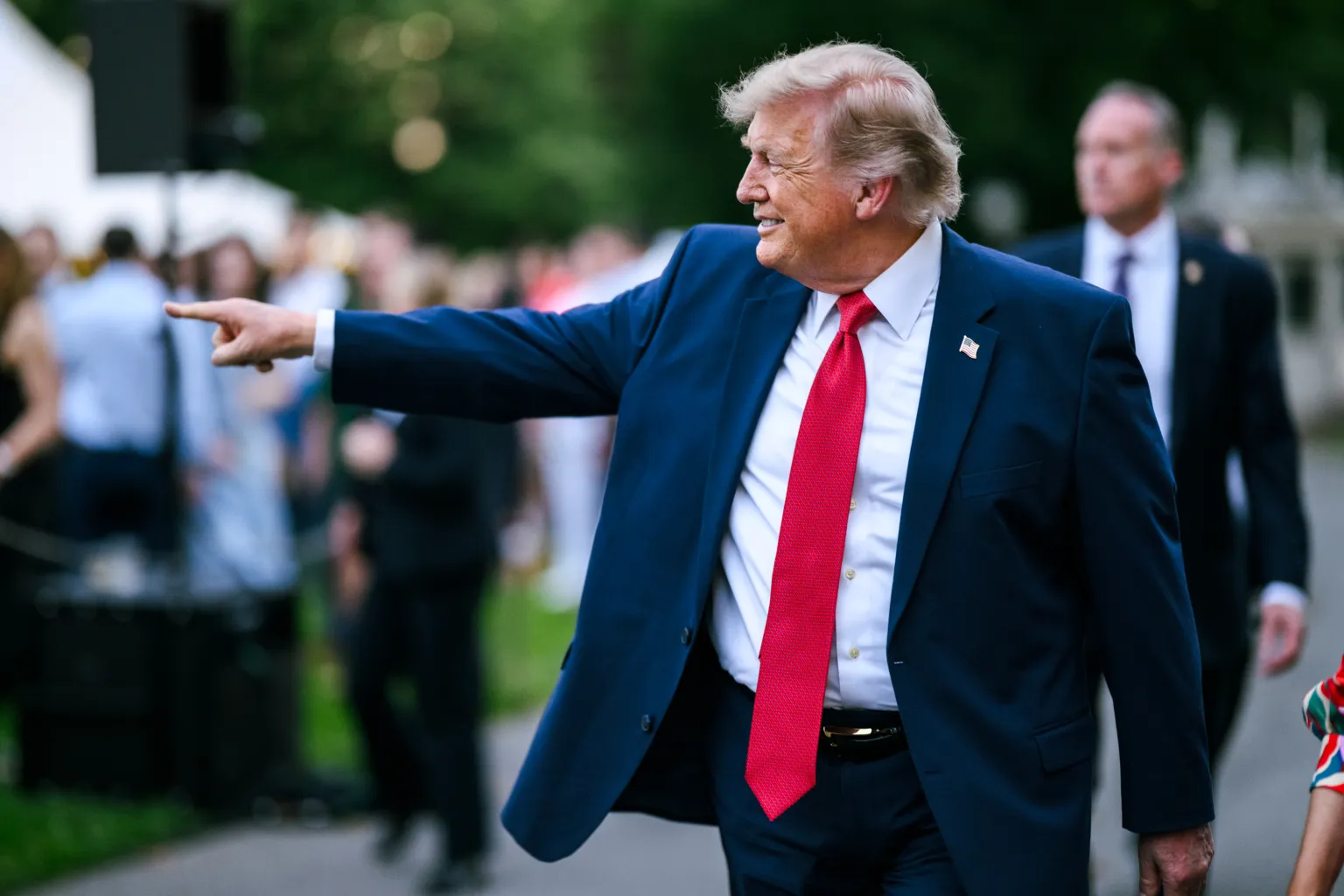
The United States has imposed new duties of at least 10% on 60 countries as President Donald Trump attempts to reconstruct his signature trade policies following a Supreme Court ruling earlier this year that struck down his previous tariff regime.
The new levies, which took effect on Friday immediately following the expiration of temporary 10% global duties, are based on a formal investigation by the U.S. Trade Representative into international forced labor practices.
Under the new framework, which relies on Section 301 of the Trade Act of 1974 to bypass emergency presidential powers, major trading partners including the United Kingdom, Mexico, the European Union, Japan, Taiwan, and South Korea face varying tariff rates ranging from 10% to 12.5%.
U.S. officials accused the targeted economies of failing to adequately enforce prohibitions on importing goods produced with forced labor. A senior official stated the tariffs would restore global market fairness for American workers and pressure international partners to eliminate forced labor from their supply chains.
The sweeping trade duties include critical exemptions for oil, natural gas, and fertilizers, as well as goods already subject to separate national security tariffs.
Trade operating under the 2020 agreement between the U.S., Canada, and Mexico also received specific carve-outs.
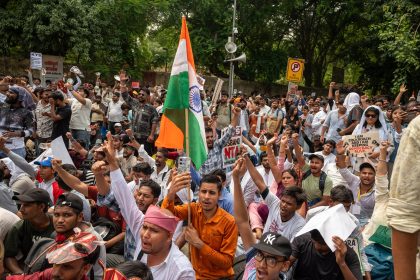
The international response has been sharply critical, with Japan’s chief government spokesperson Minoru Kihara describing the fresh tariffs as “regrettable,” while Australian Trade Minister Don Farrell condemned his country’s 12.5% levy as unjustified and inconsistent with existing free trade agreements.