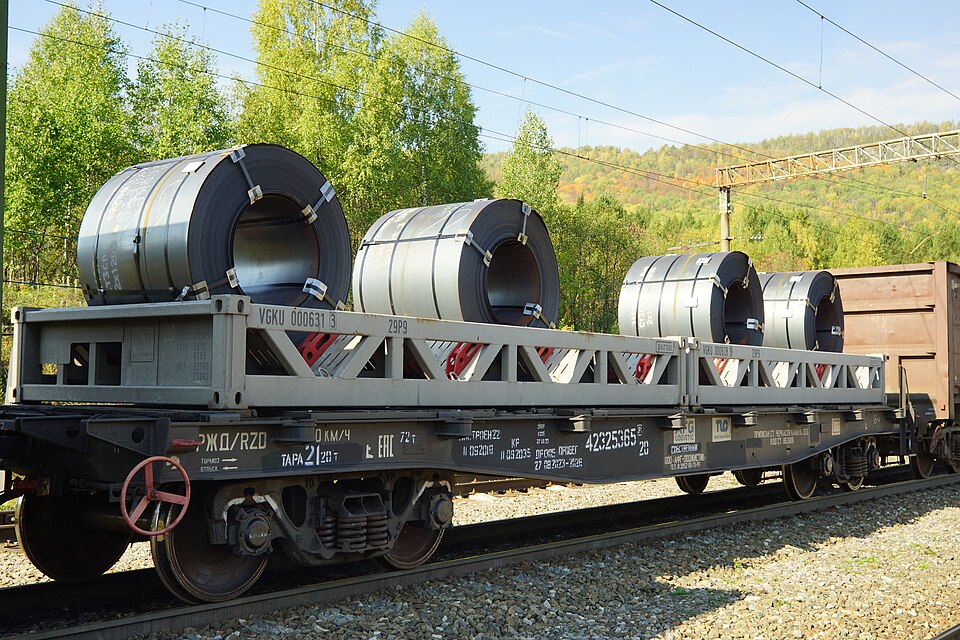
The Korean company SeAH Steel has been selected for the carbon capture project in Teesside, within the East Coast Cluster (ECC), making it the latest project to bypass British steelmaking. This marks the second time that British-manufactured steel has been excluded from ECC-related projects.
BP previously faced pressure when a Chinese steel company was awarded a £5 million contract related to the Net Zero Teesside project, a key emitter for the ECC. Since then, the oil company has announced it may sell 50% of its stake in the planned NZT power plant, as well as additional shares in the Northern Endurance Partnership (NEP)—the transport and storage aspect of the ECC.
For local mayor Ben Houchen, the deal with Suzhou-based Modern Heavy Industries is a “slap in the face” for British manufacturing. Meanwhile, there have also been suggestions that the Wylfa nuclear power plant project in North Wales could potentially use Czech steel.
A company spokesperson stated: “To be selected for a CCUS project in the UK, which is a leader in global decarbonization, is a significant achievement. We will continue to grow in the energy transition infrastructure market based on the quality of our products and our global network.”
The company stated that its pipes meet “stringent physical and chemical requirements, including fracture resistance at temperatures down to minus 196 degrees and corrosion resistance under the high pressures of deep-sea environments.” SeAH Steel’s pipes will also be used for the combined-cycle gas power plant, which will process and transport captured carbon dioxide for deep-sea storage.
The strategy aims to increase domestic production from 30% to 50% of national demand and is backed by up to £2.5 billion in funding through the National Wealth Fund.
As of July 1st this year, tariff-free steel import quotas have been reduced by 60%. Any steel imported above these quota thresholds is subject to a 50% tariff to “protect UK manufacturers from global overcapacity.”