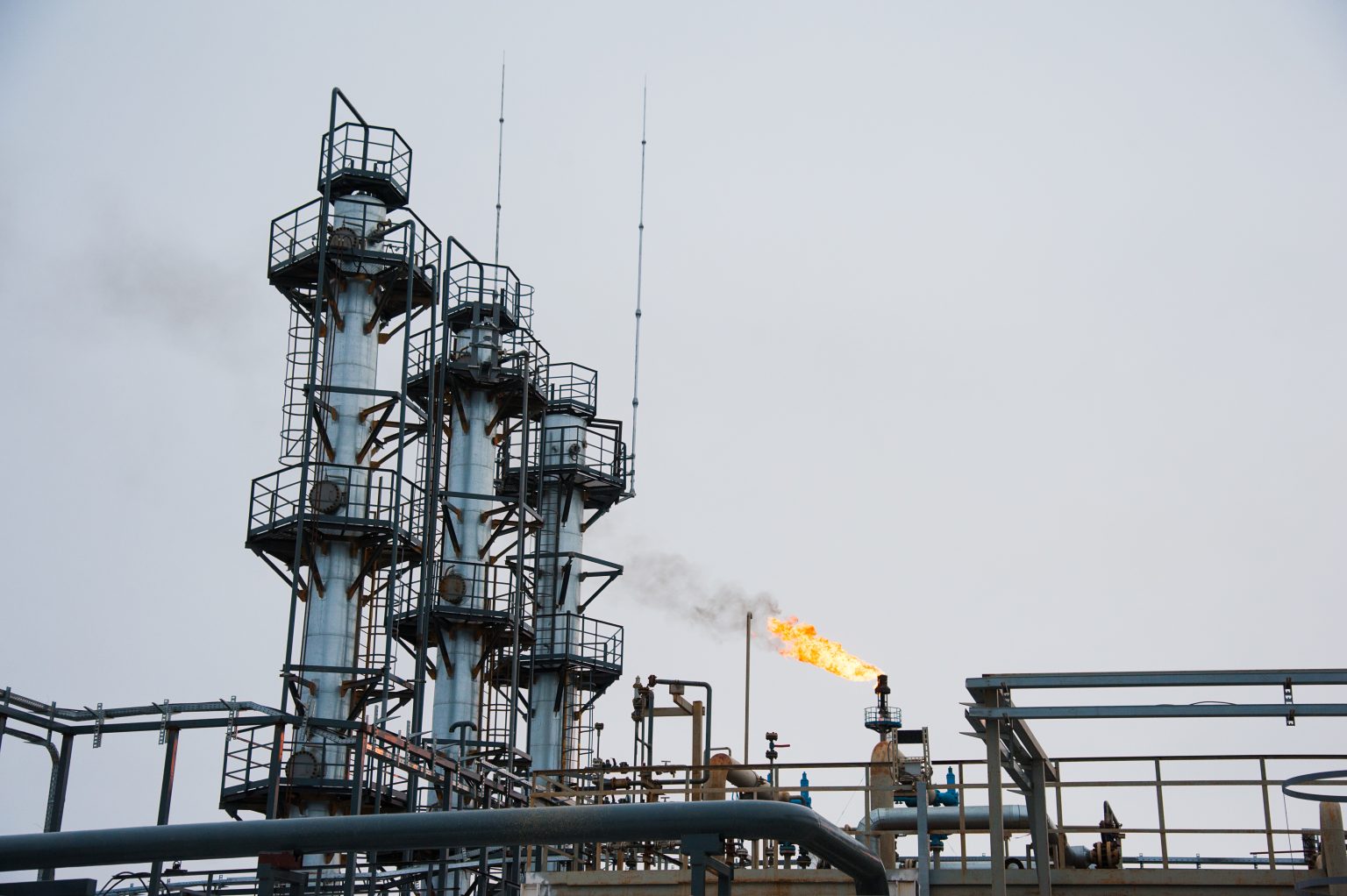

Global oilfields burned off an estimated $54 billion worth of gas last year, a fresh reminder that the world is wasting fuel while many countries are struggling to keep power affordable.
The World Bank Group said on June 23 that global gas flaring rose for the third consecutive year in 2025, reaching 167 billion cubic meters. Flaring is the burning of natural gas produced alongside oil when operators do not capture, process or sell it.
The annual Global Gas Flaring Tracker found that last year’s flaring volumes were nearly equal to Africa’s entire annual gas consumption and exceeded the volume of liquefied natural gas moving through the Persian Gulf.
Nine countries accounted for more than four-fifths of the total: Russia, Iran, Iraq, Venezuela, Mexico, Libya, Algeria, Nigeria and the United States. Together, they produced nearly half of the world’s oil, the World Bank Group said.
“At a time when many countries are struggling to increase affordable and reliable energy, the economic development costs of continued flaring are simply too high,” said Demetrios Papathanasiou, the World Bank Group’s global director for energy. “The gas currently flared could be captured to power industries and businesses, create jobs, and strengthen energy security.”
The bank estimated that ending routine flaring globally would require $70 billion to $100 billion, less than twice the annual value of the gas now being wasted. For governments facing high import bills, the shift could affect energy costs, revenues and industrial output.
The report said the problem is not mainly technical. It pointed to weak regulation, limited capital, gaps in market infrastructure and low priority from operators and governments.
Kazakhstan was cited as an exception, with flaring down 87% since 2012 and a further 16% reduction in 2025.
“The cost of inaction will be measured in wasted billions in revenue and energy insecurity for millions of people,” said Zubin Bamji, manager of the World Bank’s Global Flaring and Methane Reduction Partnership.