
After nearly 15 hours of intensive talks in Tehran, Iran and the United States reached an agreement on a draft memorandum of understanding, confirmed Iranian Deputy Foreign Minister Kazem Gharibabadi. A key mediating role in the negotiations was played by the Qatari delegation, which helped finalize the text.
According to Gharibabadi, the Iranian side proposed final amendments that were accepted, completing the draft document. However, both sides will continue negotiations over the next 60 days, with Tehran remaining focused on the complete lifting of sanctions.
Iranian media report that the draft contains 14 points, including a permanent ceasefire on all fronts, guarantees of non-interference in Iran’s internal affairs, as well as a gradual lifting of restrictions on oil exports and the reopening of the Strait of Hormuz.
Analysts say the deal is the result of economic and political pressures on both sides, with Washington facing inflation and energy challenges, while Iran has long been under sanctions.
Despite the progress, key issues remain unresolved – the US is demanding a verifiable ban on uranium enrichment, while Iran insists on the complete lifting of sanctions and access to frozen revenues.
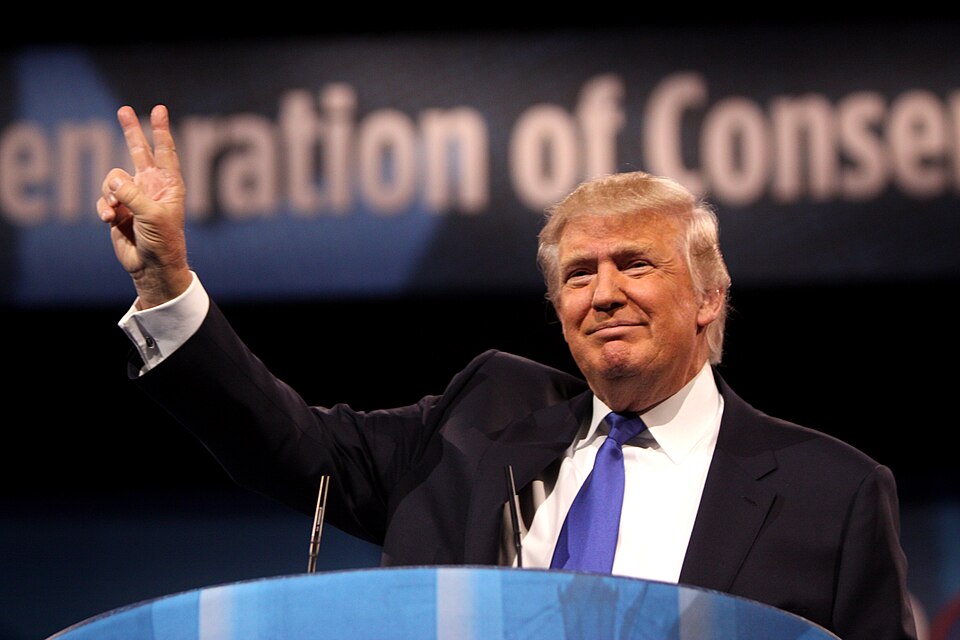
US President Donald Trump welcomed the agreement with a post on social media: “Let the oil flow,” while Vice President J.D. Vance said the deal could “fundamentally transform the Middle East over the next 50 years.”
The agreement was also welcomed by the United Nations, the European Union, and other world leaders, who described it as a significant step toward regional stability. According to announcements, the document is expected to be formally signed in Geneva on June 19.
Despite the progress made, the nuclear issue remains the main sticking point between the two countries, and negotiations will continue in order to reach a long-term and verifiable agreement.