The European Parliament will test new rules aimed at reducing empty seats during debates and improving the presence and engagement of MEPs and European Commissioners, particularly in periods when political activities overlap.
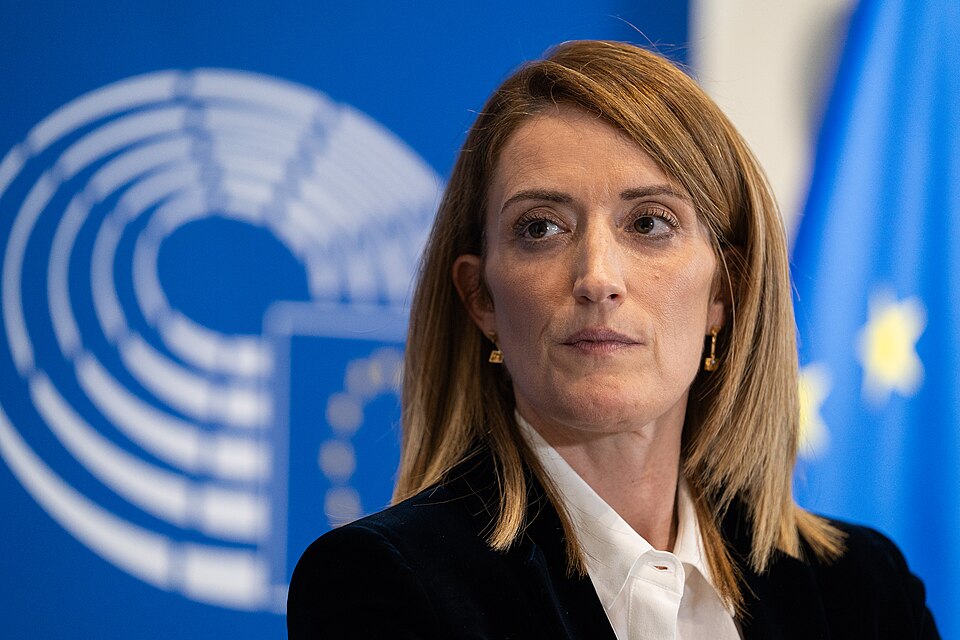
The decision was made at a meeting of the chairs of the political groups, following an initiative by Parliament President Roberta Metsola, who last year requested proposals for more efficient, shorter, and more focused parliamentary debates.
Under the pilot implementation during the plenary session from 15 to 18 June, debates will have a strictly defined start and end time. Sessions will conclude by 8:30 p.m. on Monday, 7:00 p.m. on Tuesday and Wednesday, and 4:00 p.m. on Thursday. This is expected to prevent debates from running late into the evening, when only a small number of MEPs are often present in the chamber.
In addition, other political meetings and negotiations with member states will be scheduled outside plenary debate times, in order to reduce absences of lawmakers that frequently overlap with debates.
The new measures also introduce greater interactivity: MEPs will be allowed to make short personal statements if they are directly mentioned, while the “blue card” system, which allows members to ask questions during speeches, will be further encouraged.
The “unexpected speaking order” format will also be maintained, meaning MEPs will not know in advance when they will speak, encouraging greater attention throughout the debate.
The European Commission will also gain a broader role in debates, with the ability to respond to MEPs’ interventions rather than only delivering opening and closing statements. In June, a special “question time” session with the Commission will also be held, focusing on the administrative burden for small and medium-sized enterprises in the EU.