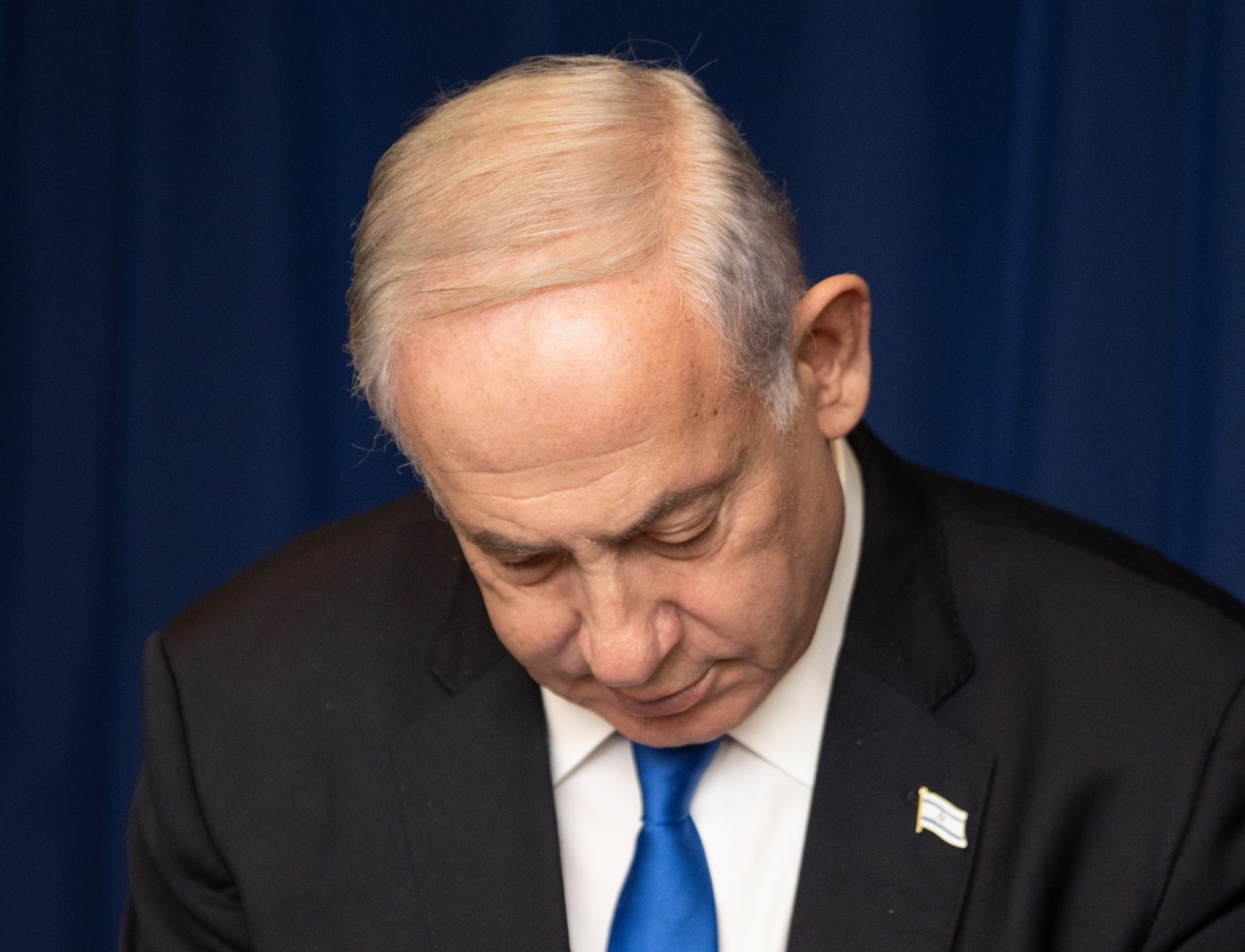
Israeli political leaders have launched a wave of criticism against Prime Minister Benjamin Netanyahu following the announcement of a landmark U.S.-Saudi civilian nuclear agreement, with senior figures across the political spectrum describing the deal as a major strategic setback for Israel.
The agreement, signed by the Trump administration, gives U.S. companies priority to build and support Saudi Arabia’s civilian nuclear program. However, unlike the 2009 U.S.-UAE nuclear agreement, it reportedly does not require Saudi Arabia to permanently renounce uranium enrichment or adopt the so-called “gold standard” non-proliferation commitments.
For many Israeli politicians, the agreement represents a diplomatic failure by Netanyahu, who has long presented himself as Israel’s most influential voice in Washington.
Lapid: “A Total Failure”
Opposition leader Yair Lapid delivered the strongest criticism, arguing that preventing such an agreement should have been one of Netanyahu’s top foreign policy priorities.
“I can’t explain just how much this is a total failure of Netanyahu’s,” Lapid said on an Israeli podcast.
“His job is to prevent a Saudi nuclear program.”
Lapid’s remarks come just months before Israel is expected to hold general elections, where national security is likely to dominate the campaign.
Lieberman Warns of Nuclear Arms Race
Former Defense Minister and Foreign Minister Avigdor Lieberman warned that the agreement could trigger a wider nuclear race across the Middle East.
Speaking to Israel’s public broadcaster, Lieberman argued that granting Saudi Arabia access to sensitive nuclear capabilities risks encouraging other regional powers to pursue similar programs, fundamentally altering the region’s strategic balance.
Barak: Trust Between Trump and Netanyahu Has Broken Down
Former Prime Minister Ehud Barak framed the agreement as evidence of deteriorating relations between Netanyahu and U.S. President Donald Trump.
Speaking on Israel’s military radio, Barak said the deal reflected a “loss of trust” between the two leaders, suggesting Israel no longer enjoys the level of influence in Washington that Netanyahu has long claimed.
A Political Blow Before Elections
The criticism highlights growing concerns within Israel that the agreement weakens one of Jerusalem’s longstanding security objectives: preventing additional Middle Eastern states from acquiring uranium enrichment capabilities.
Netanyahu has spent years warning against the spread of nuclear technology in the region, particularly in relation to Iran. His critics now argue that the Saudi agreement demonstrates a failure to convince Washington to maintain the same restrictions for Riyadh.
With elections approaching, opposition parties are increasingly portraying the deal as proof that Netanyahu’s close relationship with President Trump has failed to deliver on one of Israel’s core security interests, turning what was once considered one of his greatest diplomatic strengths into a growing political liability.