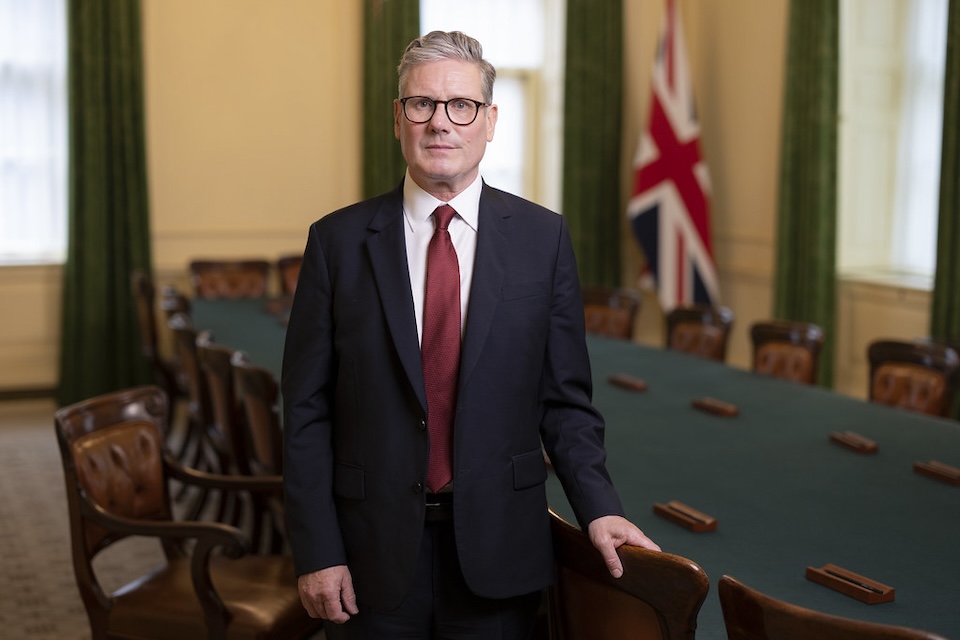

British Prime Minister Keir Starmer announced his resignation on Monday, bringing an abrupt end to a turbulent two-year premiership. Speaking outside 10 Downing Street, an emotional Starmer conceded to mounting pressure from within his own Labour Party, confirming he will step down as soon as a successor is chosen.
“I have heard the answer of my parliamentary party to that question, and I accept that answer with good grace,” Starmer stated. He noted he had already informed King Charles III of his decision.
Starmer’s departure follows a period of intense political instability. Despite leading the Labour Party to a historic landslide victory in July 2024, his popularity plummeted amid a stagnant economy, the rising cost of living, and a series of political missteps.
The final blow to Starmer’s leadership came following a disastrous showing for Labour in the May local elections, which triggered a wave of open rebellion. By mid-May, more than 95 Labour MPs had publicly called for his resignation, accompanied by high-profile walkouts, including Health Secretary Wes Streeting.
The catalyst for Monday’s announcement, however, was the decisive victory of former Greater Manchester Mayor Andy Burnham in the Makerfield by-election last Thursday. Burnham, who has returned to the House of Commons, ran explicitly on a platform to challenge Starmer for the party leadership.