France’s increasingly fragmented political landscape is becoming one of the most important factors shaping the future of European politics.
Traditional center-left and center-right parties that once dominated French elections have struggled to regain relevance, while newer political movements continue to gain support. The result has been a more divided parliament and a more complicated governing environment.
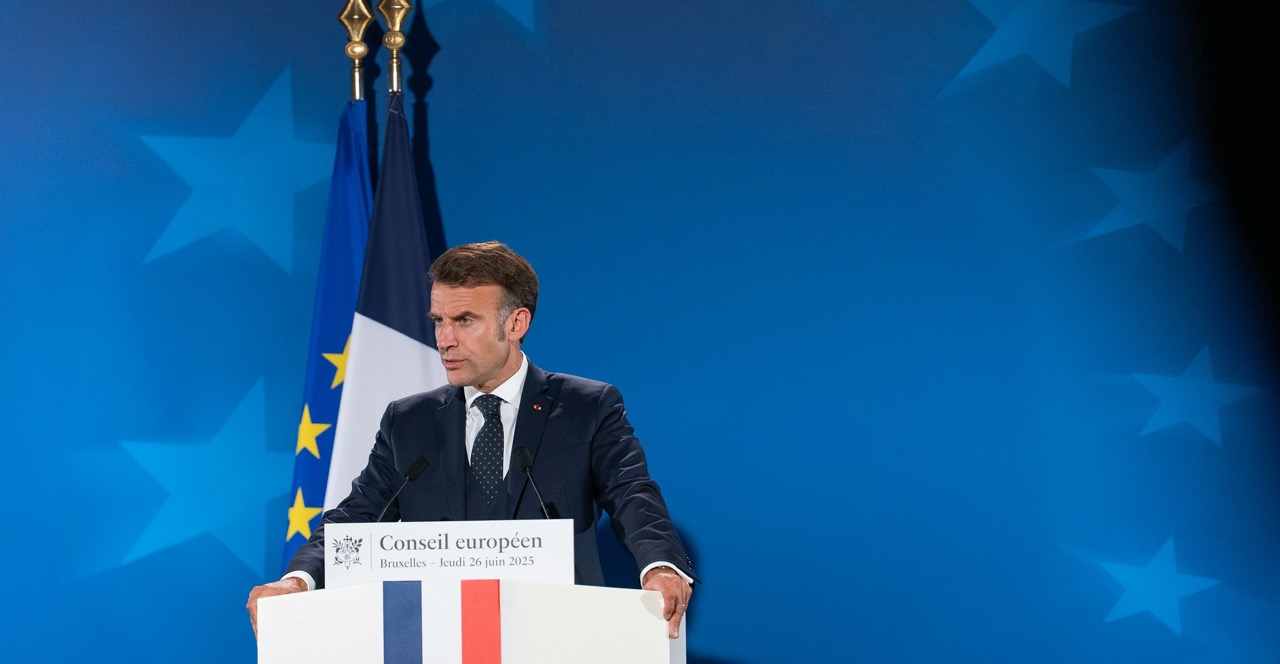
President Emmanuel Macron’s political coalition has faced repeated difficulties securing parliamentary support for major reforms, forcing negotiations across ideological lines. Meanwhile, parties on both the left and right continue to expand their influence.
Political analysts argue that France reflects a wider trend visible across much of Europe: the decline of traditional political structures and the rise of more fragmented voter coalitions.
This transformation has important consequences beyond France. As one of the European Union’s largest economies and a central actor in European decision-making, French political instability can influence policy debates ranging from defense and energy to migration and economic reform.
The next French presidential election is already shaping up as one of the most consequential political contests in Europe.