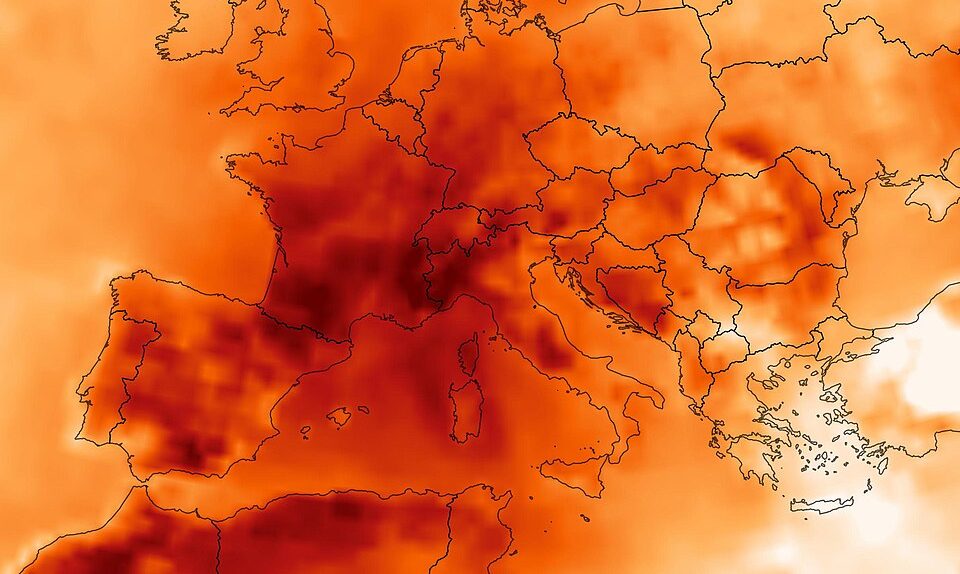
The world recorded its second warmest May since temperature records began, according to the latest data from the European Union’s Copernicus Climate Change Service (C3S). Scientists warn that climate change, combined with the developing El Niño weather pattern, continues to drive up global temperatures and increase the risk of extreme weather events.
According to the report, May 2026 was the second warmest May on record, surpassed only by the record-breaking May of 2024. The global average temperature was 1.42 degrees Celsius above the pre-industrial average of the 19th century.
Western Europe experienced one of the most intense heatwaves ever recorded so early in the year, which scientists say is further evidence of the impact of climate change on the world’s fastest-warming continent.
At the same time, parts of the Pacific Ocean have recorded unusually high temperatures, signaling the development of El Niño conditions. Experts warn that this climate phenomenon could trigger more extreme weather events around the world in the coming months.
Last month was already marked by severe natural disasters, including deadly floods in China and Türkiye, and scientists expect that the combination of global warming and El Niño will bring more droughts, heavy rainfall, and extreme temperatures to different parts of the planet.
El Niño is a natural climate pattern that occurs every two to seven years and is associated with the warming of waters in the eastern Pacific Ocean, significantly influencing weather conditions across the globe.