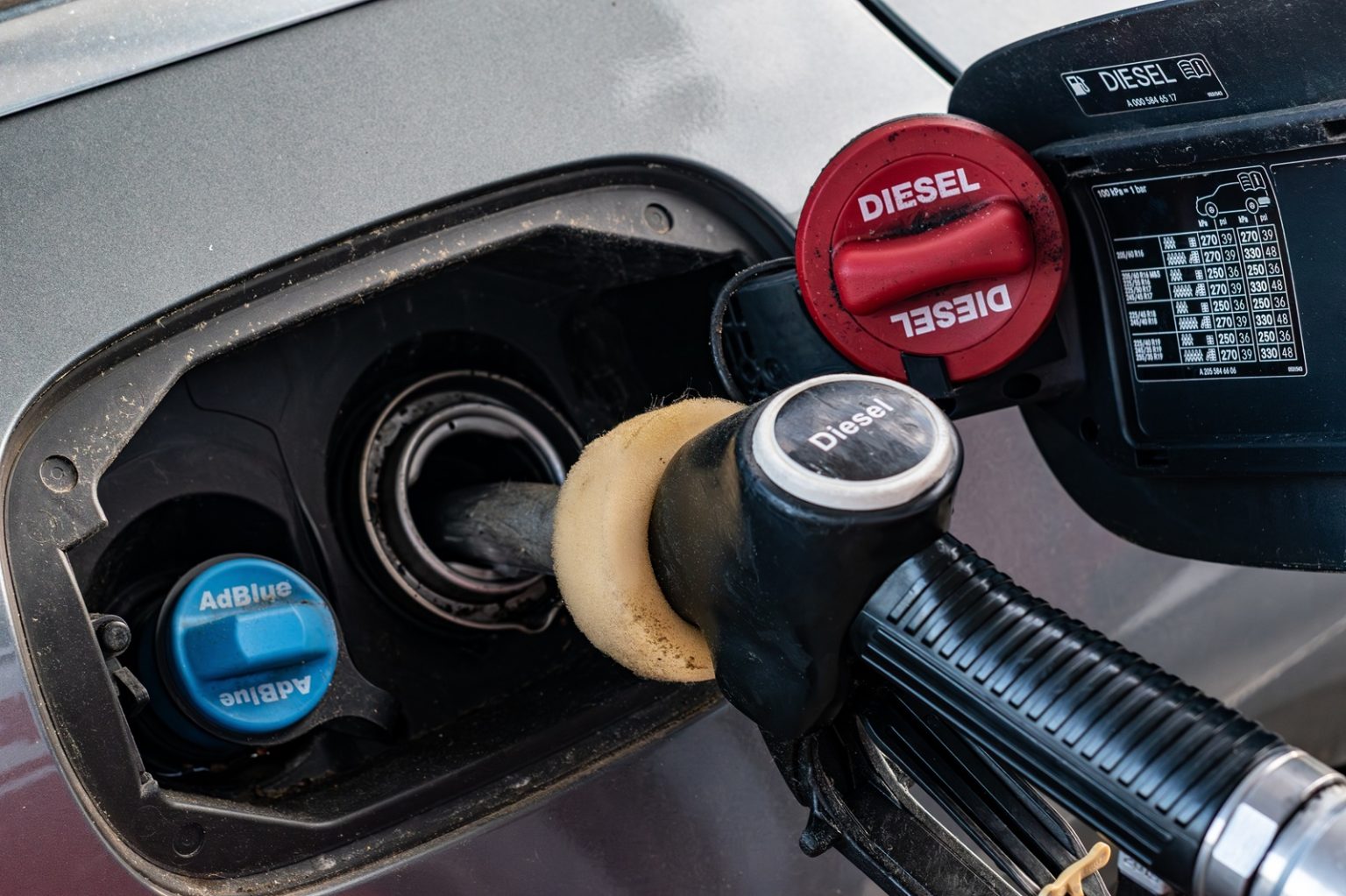
India has raised export taxes on diesel and jet fuel, a move that pushes refiners to keep more fuel at home as markets are watching supply risks from the Middle East.
The finance ministry’s latest two-week review took effect on July 16. The diesel export duty rose to Rs 15.5 per liter from Rs 8.5, while aviation turbine fuel climbed to Rs 14.5 from Rs 7.5. Gasoline moved the other way, with its export duty cut to Rs 2.5 per liter from Rs 4.
Analysts and market sources said the shift could affect regional buyers that rely on Indian refiners for diesel and jet fuel. The development adds pressure on importers already dealing with disruption risks around Gulf shipping routes and stronger margins for middle distillates.
Premasish Das, executive director for oil analytics at S&P Global Energy CERA, said the decision reflected concerns about crude and refined product availability. “It signals a clear policy preference for protecting domestic supply rather than maximizing export opportunities during a period of elevated geopolitical risk,” he said.
Das said diesel and jet fuel markets remain tighter than crude markets. He added that higher duties may not immediately cut exports while margins remain attractive, but they give refiners more reason to serve domestic demand first.
The market backdrop has been tense. Ship crossings through the Strait of Hormuz fell to 16 on July 15, S&P Global Commodities at Sea said. On July 16, NYMEX August WTI settled at $78.28 a barrel and ICE September Brent at $84.23.
DLN Sastri, former director of refining at the Federation of Indian Petroleum Industry, said the tax increase may not heavily reduce export volumes, but would let the government capture part of refiners’ higher overseas earnings.
For buyers across Asia, the next signal will be whether Indian cargoes keep flowing at the same pace.