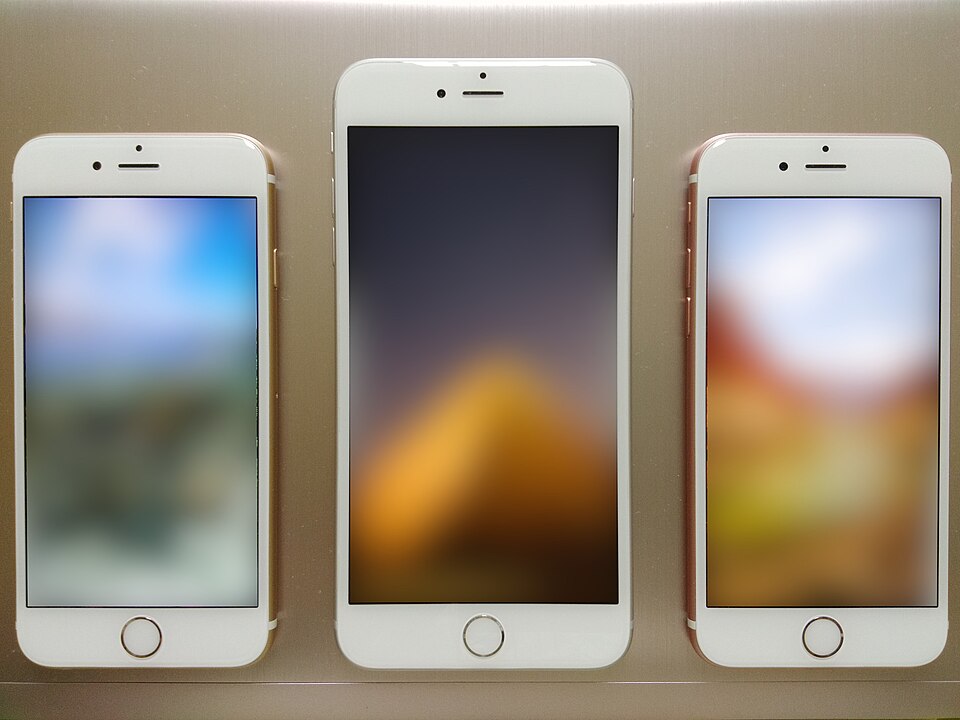

Birth rates in the United States have been in continuous decline for nearly two decades, and a new study suggests that one of the factors that may have contributed to this trend is the emergence and widespread use of smartphones, particularly the iPhone.
A working paper published by the National Bureau of Economic Research analyzed data on mobile broadband coverage provided by AT&T following the launch of the iPhone in 2007, up until 2011, when the device’s exclusivity ended. By comparing county-level data and controlling for various socio-economic factors, researchers concluded that access to the iPhone correlates with a decline in birth rates.
According to the findings, the largest decline was observed among younger women. Among females aged 15 to 19, birth rates fell by approximately 8%, while in the 20 to 24 age group the decline was around 6.6%. Smaller but statistically significant decreases were also recorded in older age groups.
Comparative analyses showed that counties primarily covered by Verizon and Sprint did not exhibit the same early effects. However, with the introduction and widespread adoption of Android devices, those regions also began to show similar declines in fertility rates.
The study estimates that the introduction of the iPhone may be associated with a reduction of about 52% in the overall fertility rate in the United States during the analyzed period. However, the authors emphasize that this does not mean the smartphone is the sole cause of the decline.
Possible explanations include increased time spent on phones instead of in-person social interactions, easier access to digital content, and greater availability of information about contraception and reproductive health.
Researchers conclude that the iPhone is likely only one of several factors behind broader demographic changes, but its impact on social behavior warrants further investigation.