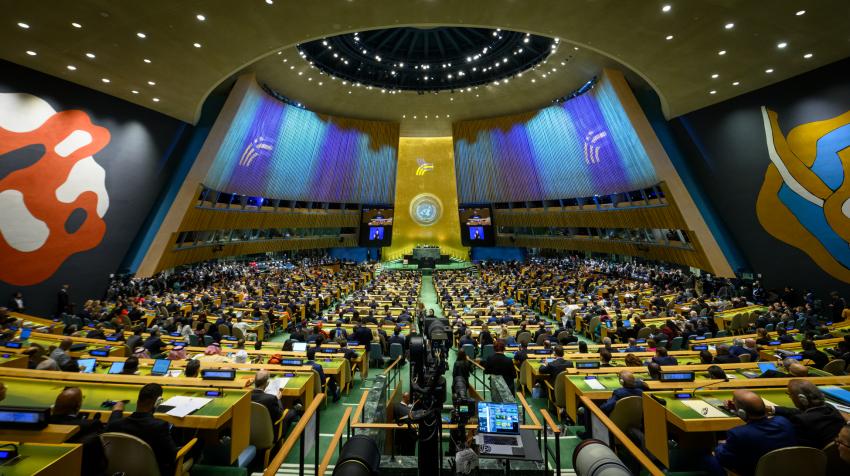
The United Nations is facing renewed scrutiny as multiple conflicts and humanitarian emergencies continue to test the effectiveness of international institutions.
From Ukraine and Gaza to Sudan and Haiti, critics argue that the UN has struggled to deliver meaningful solutions to some of the world’s most pressing crises.
Supporters maintain that the organization remains indispensable for humanitarian coordination, diplomacy and international cooperation despite its limitations.
The debate reflects a broader question increasingly asked by policymakers around the world: can institutions created after World War II effectively manage the geopolitical realities of the twenty-first century?