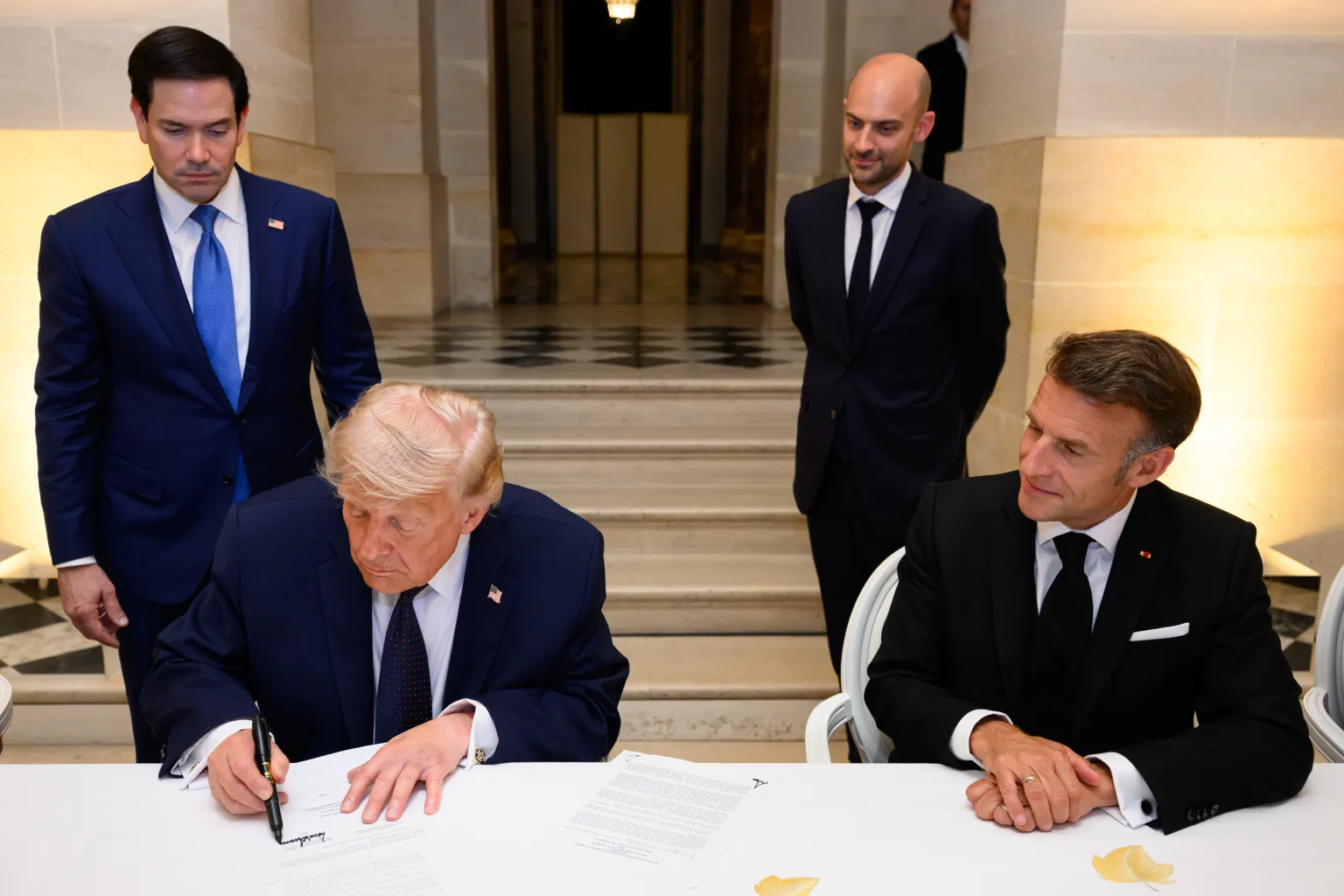

After months of strikes, economic shockwaves and more than 7,000 deaths, the United States and Iran have signed a preliminary agreement to stop fighting. The 14-point memorandum of understanding, sealed on the sidelines of the G7 summit in France, is already being spun as a victory by both sides which, depending on how you look at it, either means it’s a genuinely balanced deal or a deeply uncomfortable compromise for everyone involved.
The framework extends the existing ceasefire by 60 days across all active fronts, including Lebanon. It calls for the full reopening of the Strait of Hormuz, American sanctions on Iranian oil temporarily waived, billions in frozen Iranian assets released, and a $300 billion reconstruction fund tied to compliance. Tehran also agreed to on-site reduction of its enriched uranium stockpile under IAEA supervision a real concession, though well short of what Washington originally demanded.
The gap between how each side is telling this story says everything about how fragile the moment is. Iran’s lead negotiator Mohammad Baqer Qalibaf was unambiguous on state television. “Everything we sought to achieve through military action, we obtained several times over through negotiation,” he said. “It was not even comparable.” Trump sounded less like a man celebrating and more like one keeping his options open. “We’re going to bomb the hell out of them if they violate the agreement,” he told reporters. “I don’t want them to. I want them to honor the agreement.”
He also quietly reversed one of his core justifications for going to war. Having vowed in February to “raze their missile industry to the ground,” he said Wednesday that “if other countries have them, it’s a little bit unfair for them not to have some.”
What didn’t make it into the deal is just as telling. Iran’s government remains in place, its missiles intact, its support for Hezbollah continuing. The final terms look far more favorable to Tehran than anything Washington had publicly signaled. Macron called it “a very good deal” but not one G7 member had endorsed going to war in the first place.
Lebanon remains the deal’s biggest weak spot. Israel excluded from the negotiations has kept striking. Trump nudged Netanyahu publicly without quite confronting him. “Netanyahu happens to be a good man, gets a little excited sometimes,” he said. “I say you can do a little softer touch, Bibi. You don’t have to knock down a building every time somebody walks into it that’s from Hezbollah.”
Tehran has been explicit: no permanent deal without an Israeli withdrawal from Lebanon. Israel says it will not withdraw. That gap is still wide open and it may blow up the whole agreement long before the 60-day clock runs out.