By using this site, you agree to the Privacy Policy and Terms of Use.
Accept
globalreporters.comglobalreporters.comglobalreporters.com
Font ResizerAa
  • Politics
    • Europe & UK
    • USA
    • Middle East
    • Africa
    • Asia
  • Business
    • Economy
    • Energy
    • Finance
  • Tech & AI
    • AI
    • Big Tech
    • Innovation
    • Social Media
  • Entertainment
    • Celebrity
    • Music & TV
  • Sport
    • Football
    • Basketball
    • Tennis
    • Other
  • Opinion
Reading: IMF Downgrades Euro Area Growth Forecast Amid Persistent Energy Shocks
Share
Font ResizerAa
globalreporters.comglobalreporters.com
Search
  • Politics
    • Europe & UK
    • USA
    • Middle East
    • Asia
    • Africa
  • Business
    • Economy
    • Energy
    • Finance
  • Entertainment
    • Celebrity
    • Music & TV
  • Sport
    • Basketball
    • Football
    • Tennis
    • Other
  • Tech & AI
    • AI
    • Big Tech
    • Innovation
    • Social Media
  • Opinion
Follow US
International Monetary Fund
Economy

IMF Downgrades Euro Area Growth Forecast Amid Persistent Energy Shocks

Maria Lindqvist
Last updated: June 19, 2026 14:25
Maria Lindqvist
Published: June 17, 2026
Share
SHARE

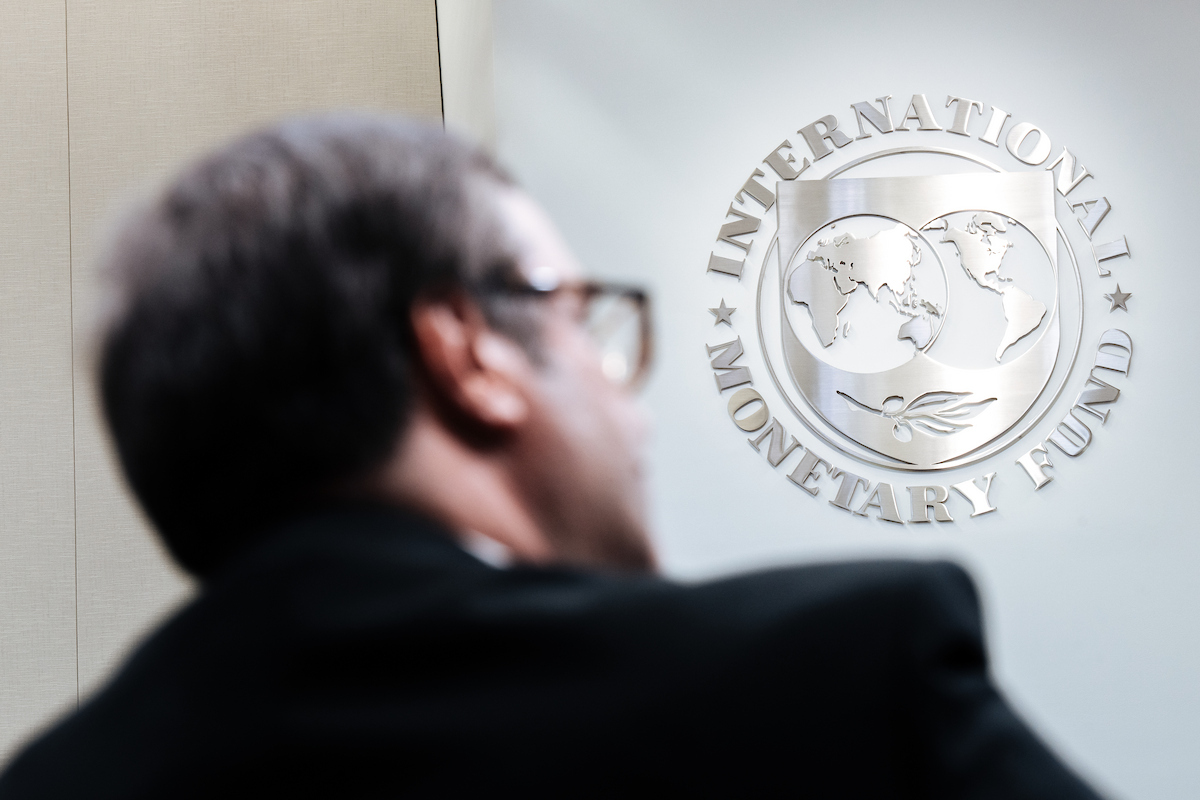
The International Monetary Fund has significantly downgraded its economic outlook for the Euro Area, warning that persistent energy supply disruptions and geopolitical tensions in the Middle East are stifling growth and driving up inflation across the currency bloc.

In its latest assessment released this week, the IMF projected that the Euro Area economy will grow by just 0.9 percent in 2026, followed by a modest 1.2 percent expansion in 2027. These figures represent a notable downward revision from pre-war estimates, reflecting the heavy toll that the ongoing energy shock is taking on consumer confidence, financial conditions, and industrial output.

Inflation, which had previously been hovering near target levels, is now expected to rebound sharply. The IMF forecasts headline inflation to reach 2.8 percent in 2026 before easing slightly to 2.3 percent next year. The Washington-based lender noted that the adverse supply shock has abruptly halted the steady economic momentum the region had been building.

The IMF emphasized that European policymakers now face a highly complex balancing act. The immediate priority for central bankers is to prevent temporary energy price spikes from becoming permanently embedded in the broader economy. The Fund warned that monetary policy must remain restrictive—and potentially tighten further—to ensure that medium-term inflation expectations remain firmly anchored.

On the fiscal front, the IMF advised European governments to cushion the blow for the most vulnerable households and businesses. However, the institution stressed that any state support must be strictly targeted and implemented only within available fiscal space. Broad, untargeted energy subsidies risk exacerbating inflationary pressures and inflating public debt burdens, particularly in member states that already carry high deficits.

Beyond immediate crisis management, the IMF report urged European leaders not to lose momentum on deeper structural reforms. Accelerating the transition to domestic renewable energy sources and enhancing the integration of the European energy grid are no longer viewed merely as climate initiatives, but as urgent matters of economic and national security. Reducing the bloc’s heavy reliance on external fossil fuel imports remains the most critical step to protecting the Euro Area from future geopolitical shocks.

While the European financial system has demonstrated remarkable resilience thus far, the IMF cautioned that the outlook remains highly uncertain. A prolonged energy crisis, delays in repairing vital infrastructure, or further escalations in global conflicts could easily trigger deeper economic contractions and renewed financial volatility across the continent.


Trump Calls It a Deal. Iran Calls It a Victory. US and Iran presidents sign ceasefire
Germany deepens energy ties with Canada: Uniper signs preliminary LNG deal
France Reports 18 Heatwave Deaths
Binance EU Licence Rejection Could Shut Out Millions of European Crypto Users
Starmer Steps Down: Labour Seeks New Leader
TAGGED:Editors PickEuro AreaEuropeFeaturedIMFInflation
Share This Article
Facebook Email Print

Follow US

Find US on Social Medias
FacebookLike
XFollow
InstagramFollow
TiktokFollow

Weekly Newsletter

Subscribe to our newsletter to get our newest articles instantly!
[mc4wp_form]
Popular News
Sport

Messi or Ronaldo? Your Football Loyalties May Reveal Your Politics

Maria Lindqvist
Maria Lindqvist
June 23, 2026
Google Earth Lets Anyone Fly for Free
UN Inquiry Says Israel Targeted Gaza Children During War
Senate Sends Trump-Backed Housing Bill To House
Instagram Is Moving More Of Your Feed To The TV Screen

About us

Global Reporters is a fast-paced international news platform that brings the world's most important stories — from politics and world affairs to technology, culture, and everything in between — to a global audience in a clear, visual, and modern way.

Categories

  • Politics
    • Europe & UK
    • USA
    • Middle East
    • Africa
    • Asia
  • Business
    • Economy
    • Energy
    • Finance
  • Tech & AI
    • AI
    • Big Tech
    • Innovation
    • Social Media
  • Entertainment
    • Celebrity
    • Music & TV
  • Sport
    • Football
    • Basketball
    • Tennis
    • Other
  • Opinion
Reading: IMF Downgrades Euro Area Growth Forecast Amid Persistent Energy Shocks
Share

Newsletter

Subscribe to our newsletter to get our newest articles instantly!

Check your inbox or spam folder to confirm your subscription.

Welcome Back!

Sign in to your account

Username or Email Address
Password

Lost your password?