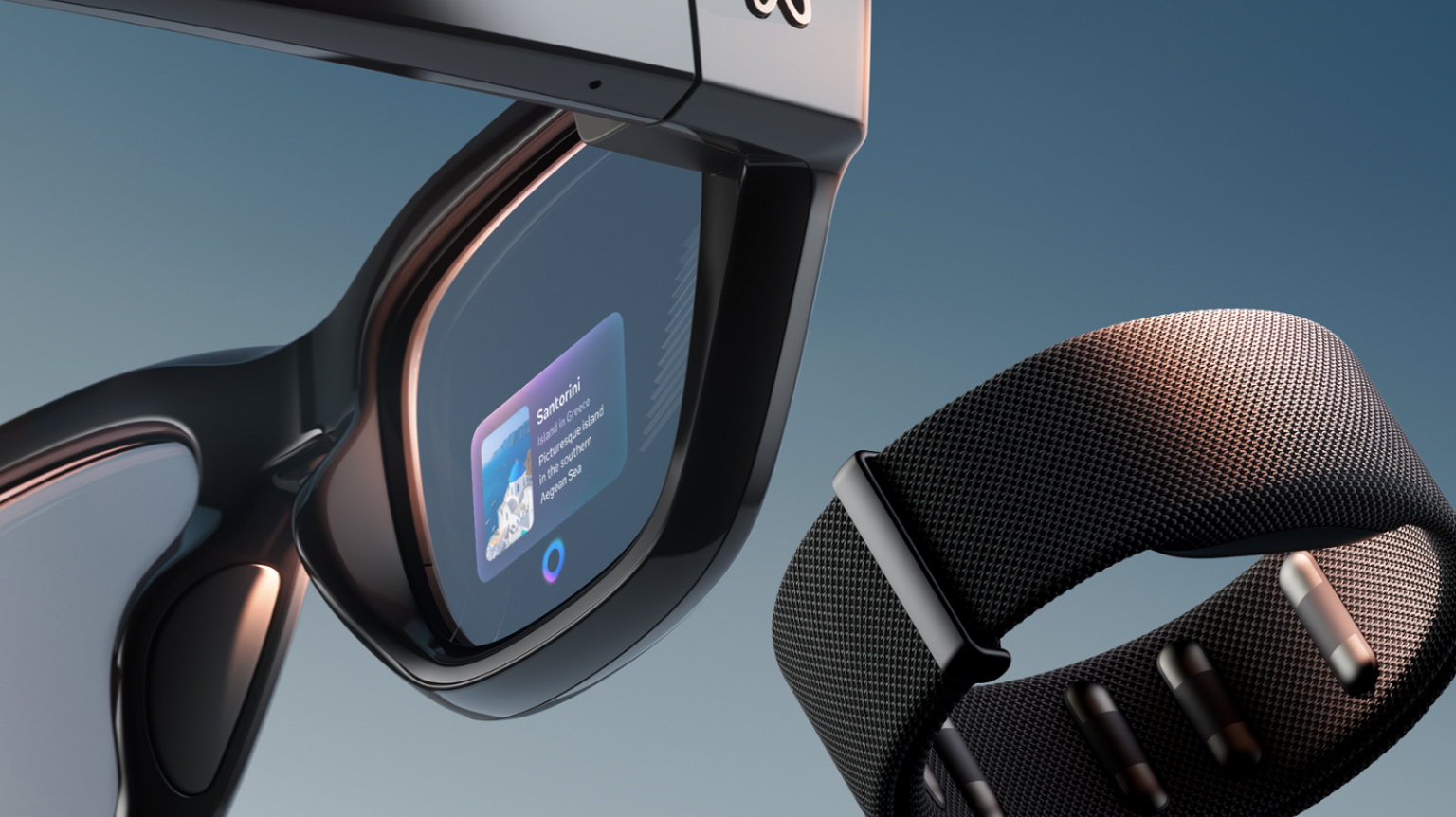
Meta’s smart glasses strategy is running into a problem that cannot be fixed with a better camera: people nearby may not know when they are being recorded.
The debate flared after Meta launched cheaper smart glasses without Ray-Ban branding and promoted the product with Kylie Jenner. Posts on Threads, Meta’s own social platform, have since turned the glasses into a privacy flashpoint, with some users warning they could be used for covert recording and others defending them as tools for accessibility, family videos and hands-free media.
The devices are not built for round-the-clock surveillance. The Verge noted that battery life limits continuous use, with live AI video, battery life varies by use, and continuous audio or heavy video recording can shorten use time. But the concern is narrower and harder to dismiss: short clips can be captured discreetly, and recording lights can be missed, washed out or tampered with.
That puts Meta in the middle of a design trade-off familiar to Big Tech. The glasses work because they look normal. The same invisibility that makes them wearable also makes strangers less likely to trust them.
Meta has considered clearer physical signals, including modular camera designs, according to Alex Himel, the company’s vice president of wearables. “We’ve considered [a] modular [approach],” Himel said, while adding that such a design “wouldn’t be as clean or integrated. [They’d] be heavier, clunkier, and wouldn’t look as good.”
Himel also said Meta is aware of attempts to tamper with privacy lights and that more robust privacy updates are expected.
For now, the fight is moving beyond early adopters. Some venues and private companies have begun restricting smart glasses, while anti-facial-recognition lenses are also being marketed as concern grows over future face-scanning uses. Meta wants its AI wearables to feel normal. The public is still deciding what normal should allow.