Gulf states urged a return to diplomacy after a rapid escalation between the United States and Iran, even as President Donald Trump said at the NATO summit in Ankara that he believed the US-Iran ceasefire was “over.”
The latest tensions followed an exchange of fire between Washington and Tehran, Iranian attacks on Kuwait and Bahrain, and strikes on a Qatari tanker and a Saudi tanker. Gulf countries condemned Iran’s actions but left the door open for talks, with a new round of US-Iran negotiations still scheduled for Thursday under the framework deal aimed at ending the war.
Trump said he would allow negotiations to continue, saying the negotiators “want to negotiate,” but added that “they have to come back to me.” He also said it was “just a waste of time dealing” with the Iranians.
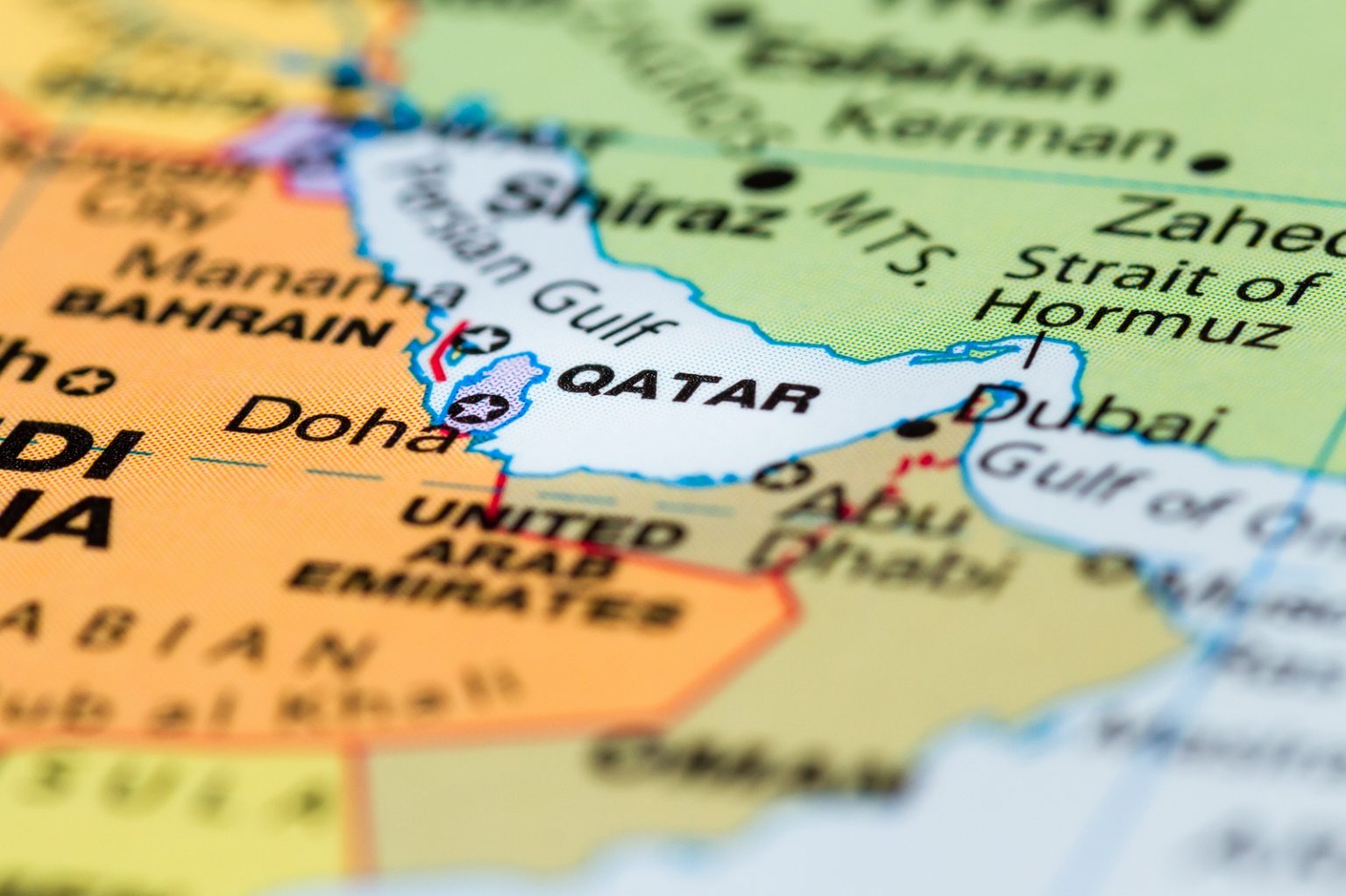
Qatar, one of the main mediators in the US-Iran negotiations, expressed alarm after Tehran struck the Qatari tanker Al Rekayyat alongside a Saudi vessel on Tuesday, before later attacking Kuwait and Bahrain.
Doha summoned Iran’s deputy ambassador and delivered a protest note saying the tanker attack was “a grave violation of the safety of international navigation, a direct threat to global energy supply security, and a clear and flagrant breach of international law.”
Qatar’s foreign ministry said the note demanded that Iran immediately stop any actions that endanger regional security, international shipping and global energy supplies. It also said Qatar reserved its rights under international law to take measures it considered necessary to protect its interests and assets.
Qatar separately condemned what it called Iran’s repeated attacks on Bahrain and Kuwait, while stressing the need to spare the region from further escalation and continue on the path of dialogue and diplomacy.
The United Arab Emirates also warned against further escalation. Anwar Gargash, diplomatic adviser to the UAE president, said Iran was not capable of “turning the page on war.”
“The Gulf Arab states cannot remain a target for Iran’s wavering between the logic of escalation and the path of rationality, stability and peace,” Gargash said.
Oman condemned the Iranian strikes on Bahrain and Kuwait, as well as the attacks on the Saudi and Qatari vessels. Muscat said the attacks threatened global trade and called on all parties to return to diplomacy instead of escalating the crisis.
Kuwait condemned what it called “heinous” Iranian aggressions against both Bahrain and Kuwait. Gulf Cooperation Council Secretary General Jassem Mohamed Albudaiwi said the attacks showed Iran’s continued approach of undermining regional and international efforts to restore security and resolve the crisis.
Iranian affairs observer Hamidreza Azizi said Tehran’s targeting of Saudi and Qatari tankers in the Strait of Hormuz appeared intended to signal that neither the US-Iran memorandum of understanding nor improved relations with Gulf Arab states should be seen as a green light for regional countries to move freely through the strait while ignoring Iran’s claim to control and manage the waterway.
Azizi said Iran sees the long-term strategic value of the Strait of Hormuz as outweighing the potential economic benefits of an agreement with the United States or improved relations with Gulf countries.
The Gulf response showed a shared concern that the latest escalation could derail the diplomatic track, even as regional states condemned Iran’s attacks and warned against a wider return to war.