The United States launched two waves of strikes on Iranian coastal defences, command centres and missile sites on Wednesday, while Tehran retaliated by targeting U.S. military facilities in the region, marking another sharp escalation in the conflict around the Strait of Hormuz.
Reuters reported that U.S. Central Command said American forces first struck coastal defence systems and cruise missile storage and launch sites on Iran’s Greater Tunb Island around 6 a.m. EDT. A second wave of strikes followed about nine hours later against targets in multiple Iranian cities.
According to CENTCOM, U.S. forces hit Iranian command centres, air defence sites, missile and drone capabilities, and coastal surveillance facilities. The targets also included Bandar Abbas, Iran’s largest port and home to key naval and Revolutionary Guards facilities on the Strait of Hormuz.
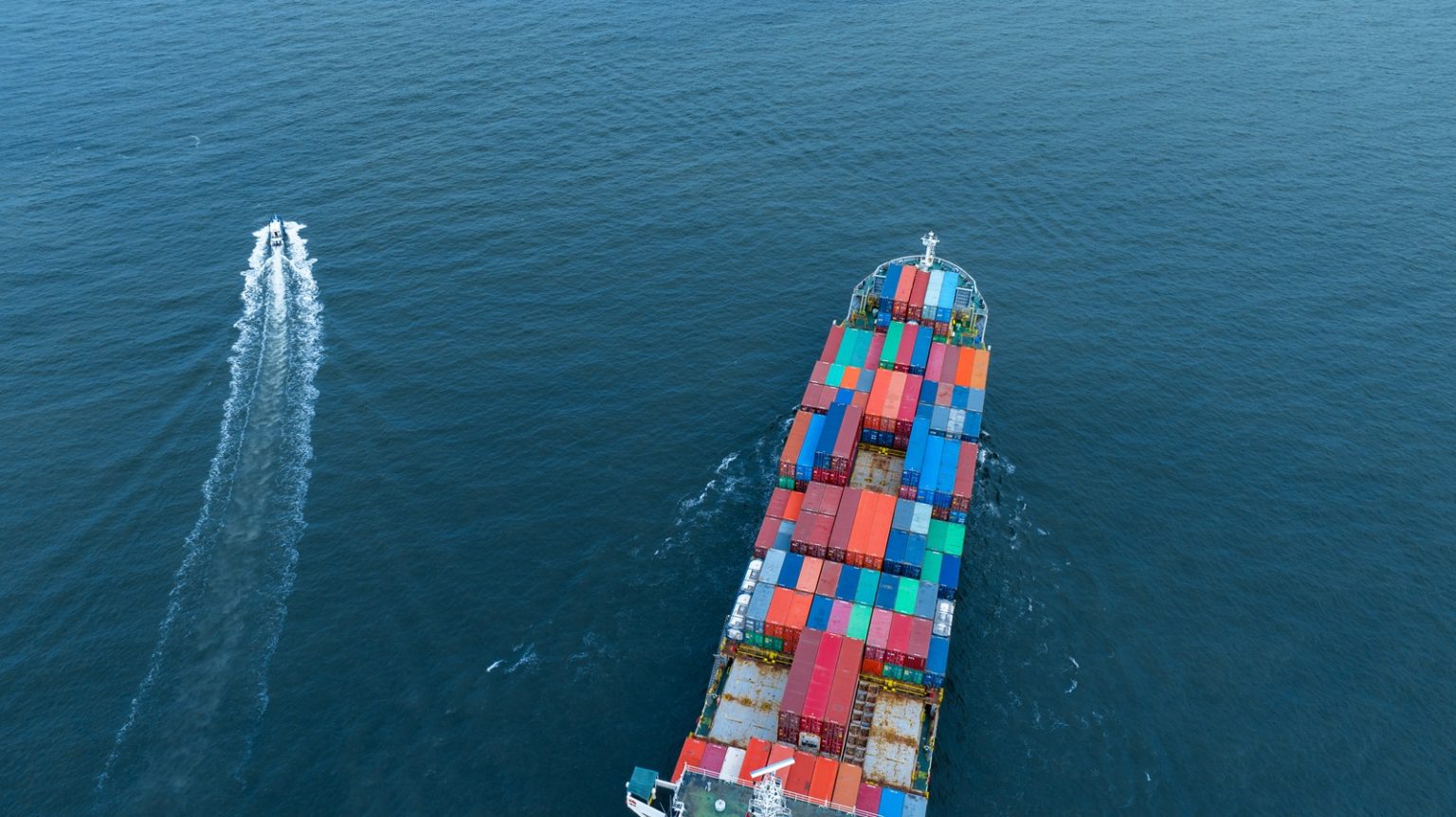
The U.S. military said the strikes were aimed at degrading Iranian capabilities used to threaten commercial shipping in the strait, one of the world’s most important energy routes.
Iran responded by saying it had carried out drone and missile attacks against U.S. military sites in neighbouring countries. Iranian state media said the army targeted radar systems, a Patriot air defence system and fuel storage facilities at Ali Al Salem Air Base in Kuwait, as well as U.S. military facilities at Sheikh Isa Air Base in Bahrain.
Iran also said it had struck U.S. targets in Jordan. Jordan’s military said it shot down eight Iranian missiles launched toward the kingdom, according to the state-run Petra news agency.
Tehran described the confrontation as an “existential war” with the United States and warned that the Strait of Hormuz was a red line. A spokesperson for Iran’s top military command said Iran would not allow U.S. interference in the waterway.
Iran also warned that it could target infrastructure across the region if U.S. President Donald Trump carries out threats to strike Iranian infrastructure, including power plants and bridges.
The latest exchange follows Trump’s decision to reimpose a naval blockade on Iranian ports. Washington has said the blockade is intended to pressure Tehran back into negotiations, while Iran has framed the U.S. action as a direct threat to its security and regional position.
The escalation has increased fears of a wider regional conflict involving Gulf states that host U.S. military facilities. It has also deepened uncertainty over shipping through the Strait of Hormuz, where a major share of global oil and liquefied natural gas shipments normally passes.
With both sides expanding their target lists, the conflict is moving beyond direct U.S.-Iran strikes and placing neighbouring countries, energy infrastructure and commercial shipping routes under growing pressure.