By using this site, you agree to the Privacy Policy and Terms of Use.
Accept
globalreporters.comglobalreporters.comglobalreporters.com
Font ResizerAa
  • Politics
    • Europe & UK
    • USA
    • Middle East
    • Africa
    • Asia
  • Business
    • Economy
    • Energy
  • Tech & AI
    • Big Tech
    • Innovation
    • Social Media
  • Entertainment
    • Celebrity
    • Music & TV
  • Sport
    • Football
    • Basketball
    • Tennis
    • Other
  • Opinion
Reading: AI’s Free-Speech Problem Grows as Watchdog Warns of “Censorship by Proxy”
Share
Font ResizerAa
globalreporters.comglobalreporters.com
Search
  • Politics
    • Europe & UK
    • USA
    • Middle East
    • Asia
    • Africa
  • Business
    • Economy
    • Energy
  • Entertainment
    • Celebrity
    • Music & TV
  • Sport
    • Basketball
    • Football
    • Tennis
    • Other
  • Tech & AI
    • Big Tech
    • Innovation
    • Social Media
  • Opinion
Follow US
Chat bot
Big Tech

AI’s Free-Speech Problem Grows as Watchdog Warns of “Censorship by Proxy”

Last updated: July 16, 2026 15:18
Laura Brennan
Published: July 16, 2026
Share
Office worker using future technology/NanciSantos/Envato
SHARE

Some of the world’s most-used AI models may be less willing to help users criticize governments with tighter speech rules, such as China and Saudi Arabia, according to new research from the Oversight Board, the independent moderation body created by Meta.

The board said Thursday that it tested 10 models from companies including OpenAI, Meta, Google, Anthropic and xAI, now SpaceXAI, with prompts tied to political criticism, protest materials and satire involving governments and leaders.

The findings add pressure on AI companies already facing scrutiny from regulators, civil rights groups and users over how their chatbots decide what to answer, refuse or soften. The board said the systems appeared to treat requests differently depending on whether the government in question had permissive or restrictive speech laws.

The Oversight Board said the models were more likely to encourage support for governments with broad speech protections, while being more likely to discourage protests against governments with tighter controls. It said the differences were “statistically significant.”

The board also said some models cited local laws as a reason for refusing requests, even though the prompts were submitted from Australia, where those restrictions did not apply.

Paolo Carozza, a co-chair of the board, called it “censorship by proxy” and said the pattern worried him.

The report marks a step beyond the board’s original focus on social media moderation. Although one Meta Llama model was included in the research, the board said Meta had “no role in this research,” despite funding the body.

The board urged AI companies to explain how they respond to government requests that affect model output, including during training, fine-tuning and product review. It also said companies should publish policies for handling demands that conflict with international human rights standards.

For now, the board has no formal authority over the AI companies it tested. Its warning lands as Big Tech firms race to put chatbots into search, messaging, productivity software and social apps used by billions of people.

Carozza said the lesson from social media is that companies need to watch how technology affects expression, even when the effect is not intentional.


Mira Murati’s Thinking Machines Releases Its First AI Model
Google DeepMind Chief Calls for U.S.-Led Global AI Watchdog
Europe Launches a Bid for AI Independence
OpenAI Gives ChatGPT Voice A Faster, Less Interruptive Brain
EU Demands Meta Dismantle Addictive Facebook and Instagram Designs
TAGGED:AI RegulationArtificial IntelligenceBig TechFree SpeechGoogleMetaOpenAI
Share This Article
Facebook Email Print

Follow US

Find US on Social Medias
FacebookLike
XFollow
InstagramFollow
TiktokFollow

Weekly Newsletter

Subscribe to our newsletter to get our newest articles instantly!
[mc4wp_form]
Popular News
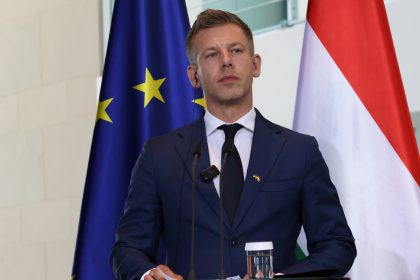
Berlin, Berlin Germany - 06 02, 2026: Press conference by Federal Chancellor Merz and the Prime Minister of Hungary, Péter Magyar / Shutterstock
Europe & UK

Hungarian Prosecutors Raid Fidesz Party Servers in Expanding Corruption Investigation

Maria Lindqvist
Maria Lindqvist
July 21, 2026
IEA Warns Energy Markets Remain Exposed as Fuel Supplies Tighten
Robbie Williams Shuts Down Cocaine Rumor After World Cup Final Clip Goes Viral
World Leaders Welcome Burnham, Then Point to the Size of the Job
Two Palestinians Killed After West Bank Raid Residents Say Involved Settlers And Soldiers

About us

Global Reporters is a fast-paced international news platform that brings the world's most important stories — from politics and world affairs to technology, culture, and everything in between — to a global audience in a clear, visual, and modern way.

Categories

  • Politics
    • Europe & UK
    • USA
    • Middle East
    • Africa
    • Asia
  • Business
    • Economy
    • Energy
  • Tech & AI
    • Big Tech
    • Innovation
    • Social Media
  • Entertainment
    • Celebrity
    • Music & TV
  • Sport
    • Football
    • Basketball
    • Tennis
    • Other
  • Opinion
Reading: AI’s Free-Speech Problem Grows as Watchdog Warns of “Censorship by Proxy”
Share

Newsletter

Subscribe to our newsletter to get our newest articles instantly!

Check your inbox or spam folder to confirm your subscription.

Welcome Back!

Sign in to your account

Username or Email Address
Password

Lost your password?