Iran said it remains in control of the Strait of Hormuz and is not seeking new talks with the United States, after President Donald Trump halted a two-week bombing campaign that had sharply escalated the conflict around one of the world’s most important oil routes.
The pause followed 13 consecutive nights of U.S. strikes on Iran, which had triggered Iranian attacks on U.S. bases in the region. Tehran said it would suspend its own attacks as long as the U.S. pause continues.
The halt immediately eased pressure on energy markets. Brent crude, which briefly rose above $100 a barrel last week, fell sharply on Monday to around $89, while U.S. West Texas Intermediate dropped to about $83.30. Traders reacted to hopes that disrupted shipping and energy flows through the Gulf could begin to recover.
But the de-escalation remains fragile. Jordan said it shot down two drones on Monday, while Iraqi security sources said drones struck a base used by Iranian Kurdish opposition fighters in northern Iraq. No casualties were reported in either incident.
Iranian officials also rejected suggestions that the pause could quickly lead back to negotiations. Tehran said no new round of talks with Washington was planned and continued to blame the United States and Israel for the disruption around the Strait of Hormuz.
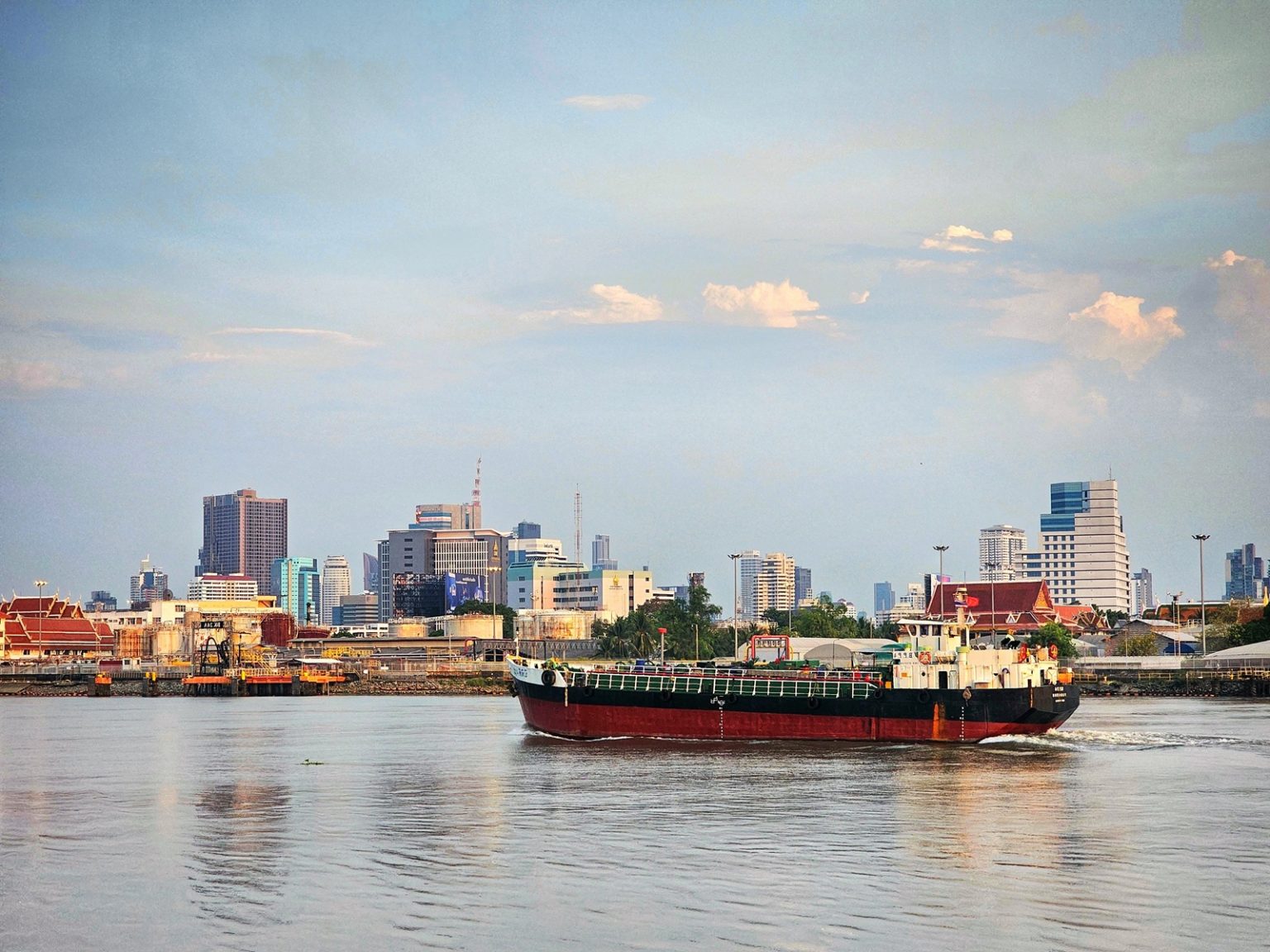
The Strait remains the central pressure point in the conflict. Before the war, it carried about one-fifth of global oil and gas shipments, but Reuters reported that flows through the route had fallen to about 15% of pre-war levels during the fighting.