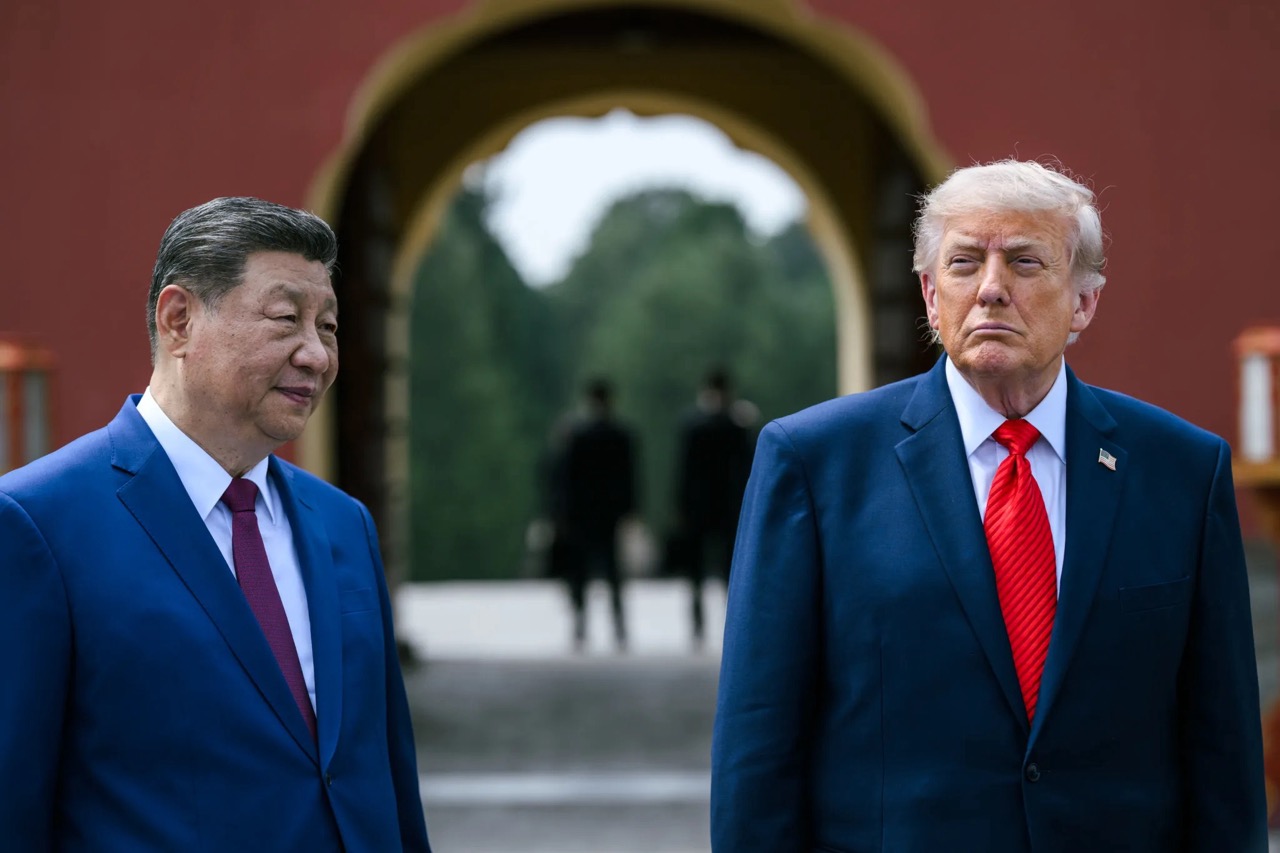
A broader geopolitical contest between China and the United States is increasingly reshaping political decisions across Asia.
Governments throughout the region are being forced to navigate growing pressure from both powers while attempting to protect economic interests and maintain strategic autonomy. Countries including South Korea, the Philippines, Vietnam, Indonesia and Japan are all adjusting their foreign policy calculations in response to intensifying competition.
At the center of this rivalry are issues ranging from semiconductor technology and artificial intelligence to military alliances, maritime disputes and trade routes.
Rather than dividing neatly into competing blocs, many Asian countries are attempting a more complicated balancing act — deepening security cooperation with Washington while maintaining critical economic ties with Beijing.
The outcome of that balancing act may define the future political order of the Asia-Pacific region.