Australia’s resource and energy export revenues are projected to surge by an unexpected A$42 Billion (US$26 Billion) this financial year, driven by soaring global commodity prices triggered by the war with Iran.
According to the June 2026 Resources and Energy Quarterly report published by the Department of Industry, Science and Resources, total export revenues are now forecast to climb nearly 3% to a record A$416 billion.
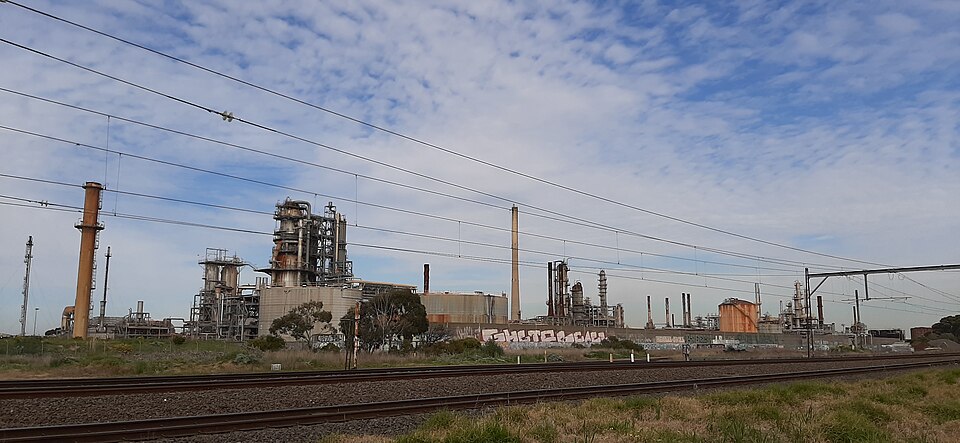
The domestic liquefied natural gas (LNG) sector has emerged as the primary beneficiary of these international energy price spikes. Major industrial operations, such as Woodside Energy’s production facility at Burrup in Western Australia, are adjusting operations to capitalize on the sudden contraction of global supply. The intense geopolitical conflict in the Middle East has choked critical trade corridors, forcing international buyers to pivot heavily toward secure alternatives like Australian commodity exports.
Beyond the booming LNG infrastructure, other essential resource shipments from the continent are experiencing substantial price lifts. Market analysts observe that while the open regional conflict has damaged international transport grids, the resulting global price shocks provide an unexpected fiscal buffer for national trade books. Overall national export volumes are anticipated to hold steady while profit margins expand significantly through the end of the fiscal year.