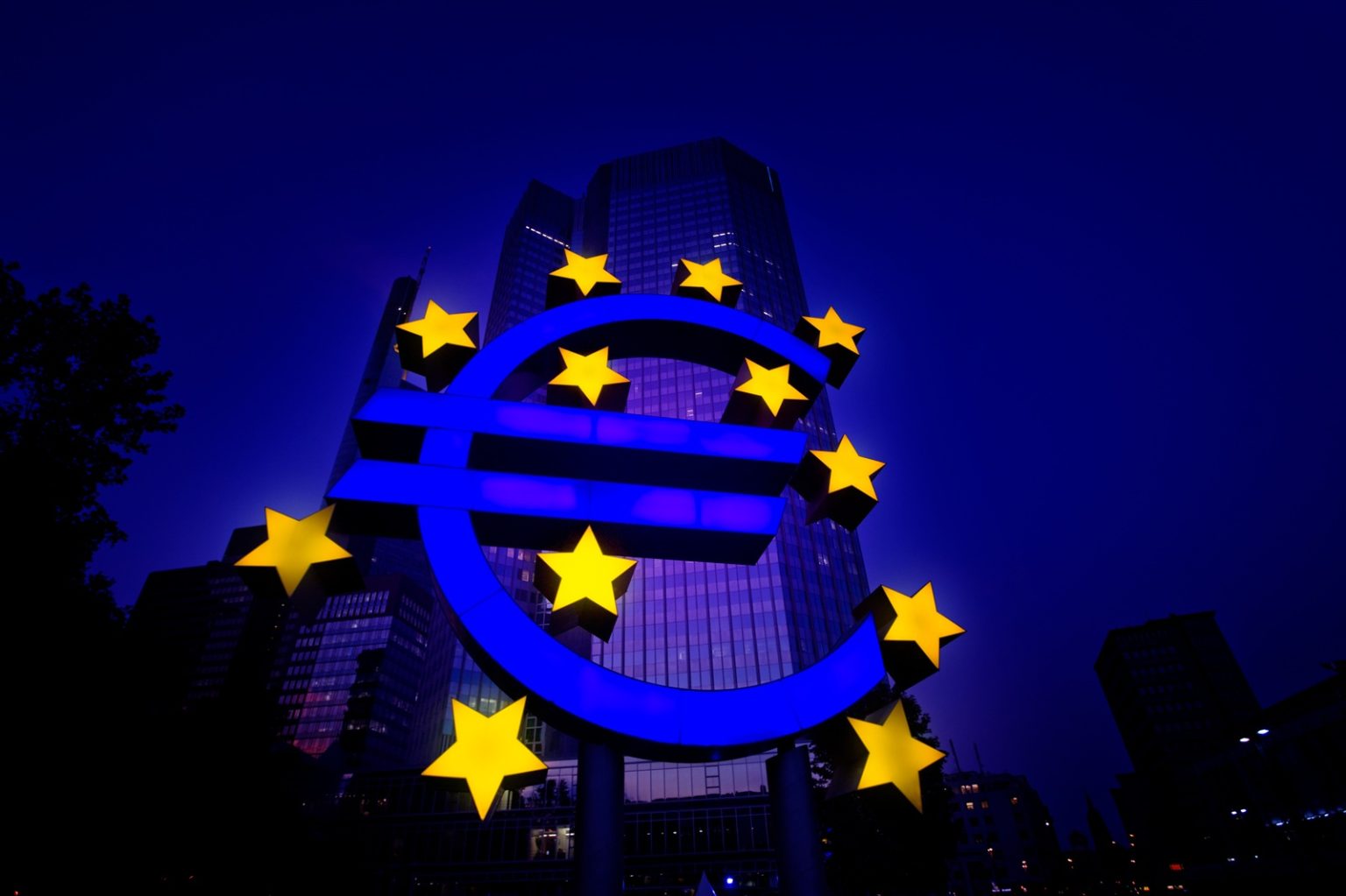
The European Union’s plan for a digital euro moved into its final negotiating phase on Thursday, putting Brussels closer to creating a public electronic payment option backed by the European Central Bank.
The European Parliament confirmed its position in a vote in Strasbourg, clearing lawmakers to begin talks with EU governments on the final shape of the system. The talks will decide how the currency would be distributed, how much users could hold and how payment firms would be paid for handling it.
The digital euro would be central bank money in electronic form. It is intended to sit alongside cash and existing bank services, not replace them.
Under the plan, consumers would use a dedicated wallet to hold digital euros, with a limit still to be agreed. The system is expected to work for online and offline payments, including situations where card networks or internet access are unavailable.
EU officials have framed the project as a way to give Europe more control over everyday payments, a sector now dominated by commercial banks, card networks and technology platforms. The European Central Bank would provide the infrastructure, while banks and payment service providers would offer the service to customers.
But the negotiations now turn to money. People involved in the talks said the most difficult issue is the compensation model: which financial institutions should be paid, how much they should receive and who ultimately covers the cost.
Merchants are expected to pay lower fees than they do for many card transactions, but the final fee-sharing model has not been settled.
The most intense talks are expected in the autumn, with final approval targeted by the end of 2026. A pilot programme is due in 2027, before retail use begins from 2029.