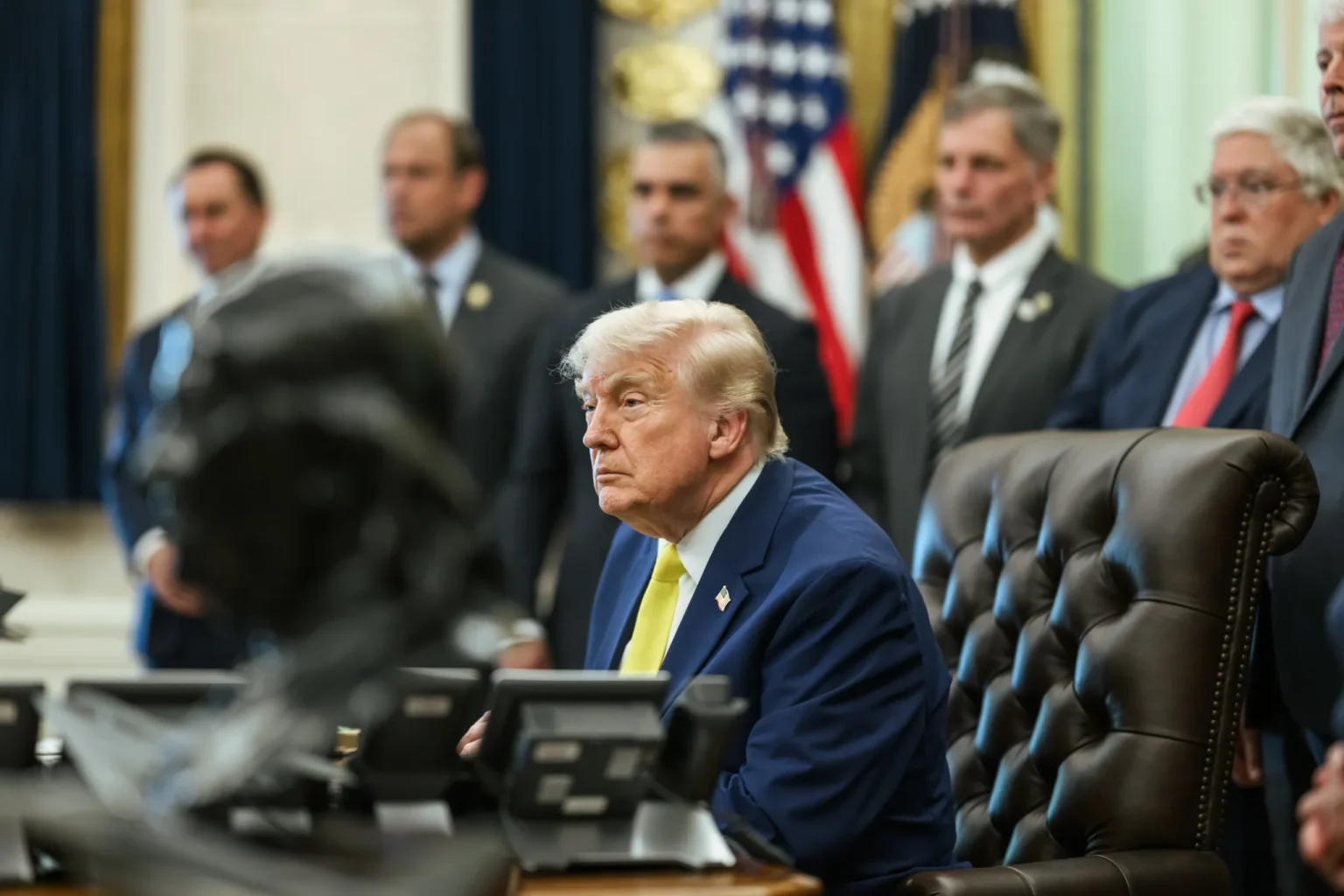

U.S. President Donald Trump and Iranian officials have electronically signed a preliminary agreement to end the ongoing war, with Vice President JD Vance noting the document could be made public ahead of its formal signing in Geneva this Friday. The roughly page-and-a-half memorandum of understanding (MOU) extends a ceasefire for 60 days to facilitate final negotiations, obligates Iran to halt funding for terrorist organizations, and includes a verifiable commitment that Tehran will not build a nuclear weapon.
Trump confirmed the initial agreement is finalized while attending the G7 summit in France, which will host a special session on Iran this Tuesday featuring leaders from Egypt, Qatar, and the United Arab Emirates. According to U.S. officials, the document was signed by Trump, Vance, and Iranian Parliament Speaker Mohammad Bagher Ghalibaf. The framework aims to reopen the Strait of Hormuz by Friday and stipulates that Iran must meet its commitments to receive any sanctions relief or un-frozen assets. Technical talks regarding Iran’s nuclear program are scheduled to begin this week to hash out further details.
The diplomatic breakthrough, mediated by Pakistan, mandates the immediate termination of military operations across all fronts, including Lebanon. However, U.S. officials clarified that Israel is not required to withdraw its forces from Lebanese territory and retains its right to self-defense. Addressing the agreement, Israeli Prime Minister Benjamin Netanyahu stated that Israeli forces will remain in security zones across Lebanon, Syria, and Gaza for as long as necessary, reiterating that Iran will never be allowed to obtain nuclear weapons. Regional hostilities have persisted despite the announcement, marked by a deadly Israeli strike in southern Lebanon and retaliatory missile and drone fire from Hezbollah.