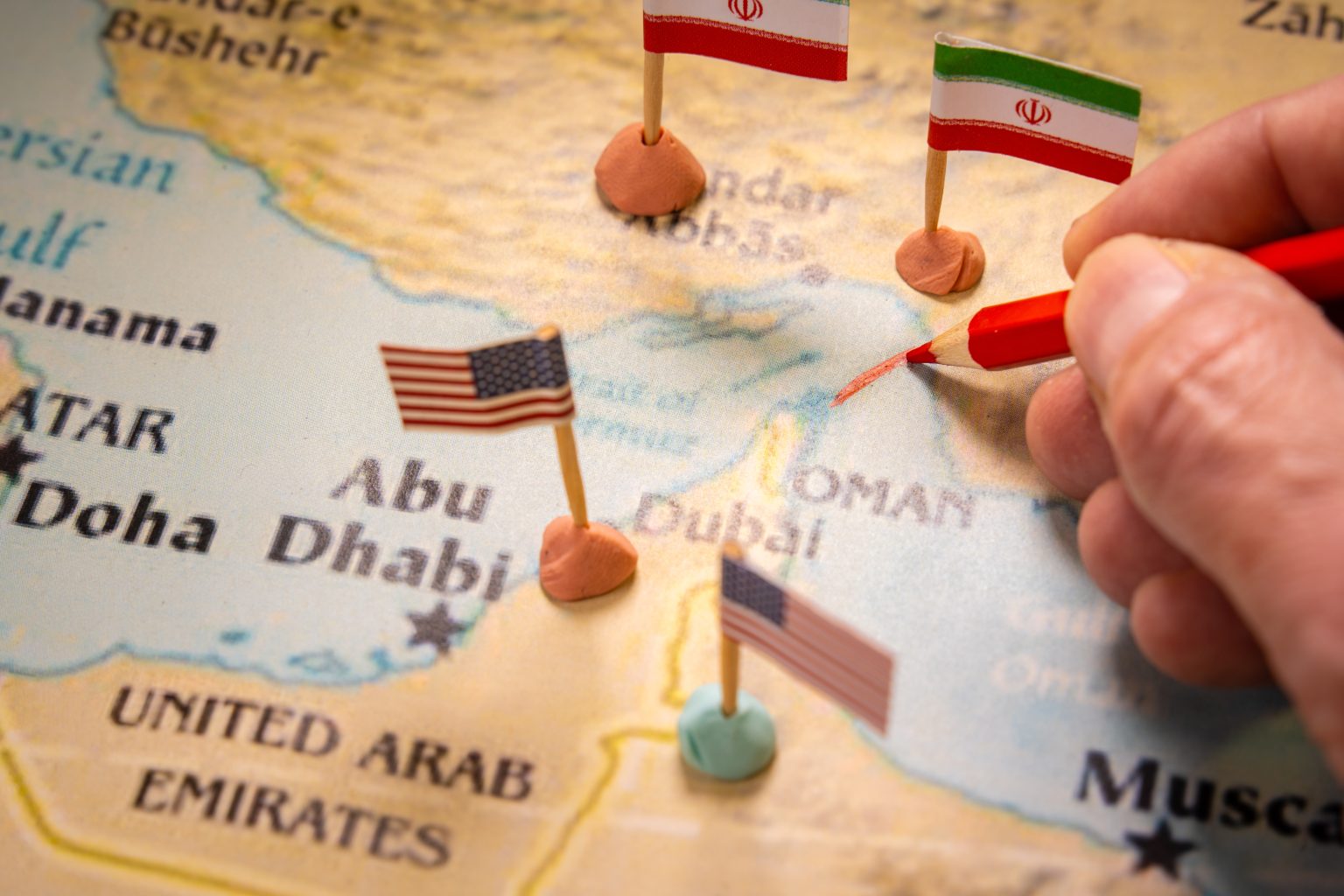

Gulf Arab states targeted by Iranian missiles and drones during the war are now grappling with an uncomfortable reality. Iran has emerged from the conflict emboldened, openly claiming authority over the Strait of Hormuz and describing its ceasefire deal with Washington as a declaration of American defeat.
US Secretary of State Marco Rubio flew to Kuwait City on Wednesday as part of a regional tour to reassure Gulf Cooperation Council partners ahead of a GCC meeting in Bahrain on Thursday. He met with the leaders of Kuwait and the United Arab Emirates and pledged that Washington would be “completely aligned” with Gulf states in every decision made in the ongoing negotiations with Tehran over a permanent settlement.
The Hormuz question is the sharpest point of friction. Iran has repeatedly stated its intention to retain joint control of the waterway with Oman and charge what it describes as maritime service fees on vessels crossing the strait. Rubio pushed back firmly, saying he knew of no country on the planet that supported tolling in the strait, and Trump separately called any such fees “unacceptable.” Qatar’s prime minister travelled to Oman to open parallel talks involving Gulf states, Iraq and Iran specifically on Hormuz access, where Gulf nations are pushing for toll-free navigation while Iran is expected to demand a fee structure.
The Gulf states are not a unified bloc on Iran. The UAE has been the most vocal critic, calling for unconditional Hormuz access, Iranian reparations for regional damage, and a broader agreement to curtail Tehran’s support for armed groups. Saudi Arabia has called for talks to address all issues contributing to regional instability over the past decades.
Oman, the only Arab Gulf state to directly criticise the US and Israeli strikes, has taken a quieter middle-road approach. The war left enormous damage across the region. Thousands of people were killed in Iran and Lebanon, dozens in Israel and the Gulf Arab states, and millions were displaced, including more than one-sixth of Lebanon’s population.
Iran is now seeking reparations it values at $270 billion in direct and indirect damages, including from Gulf states, a demand that has been raised with mediators but received no response from Washington.