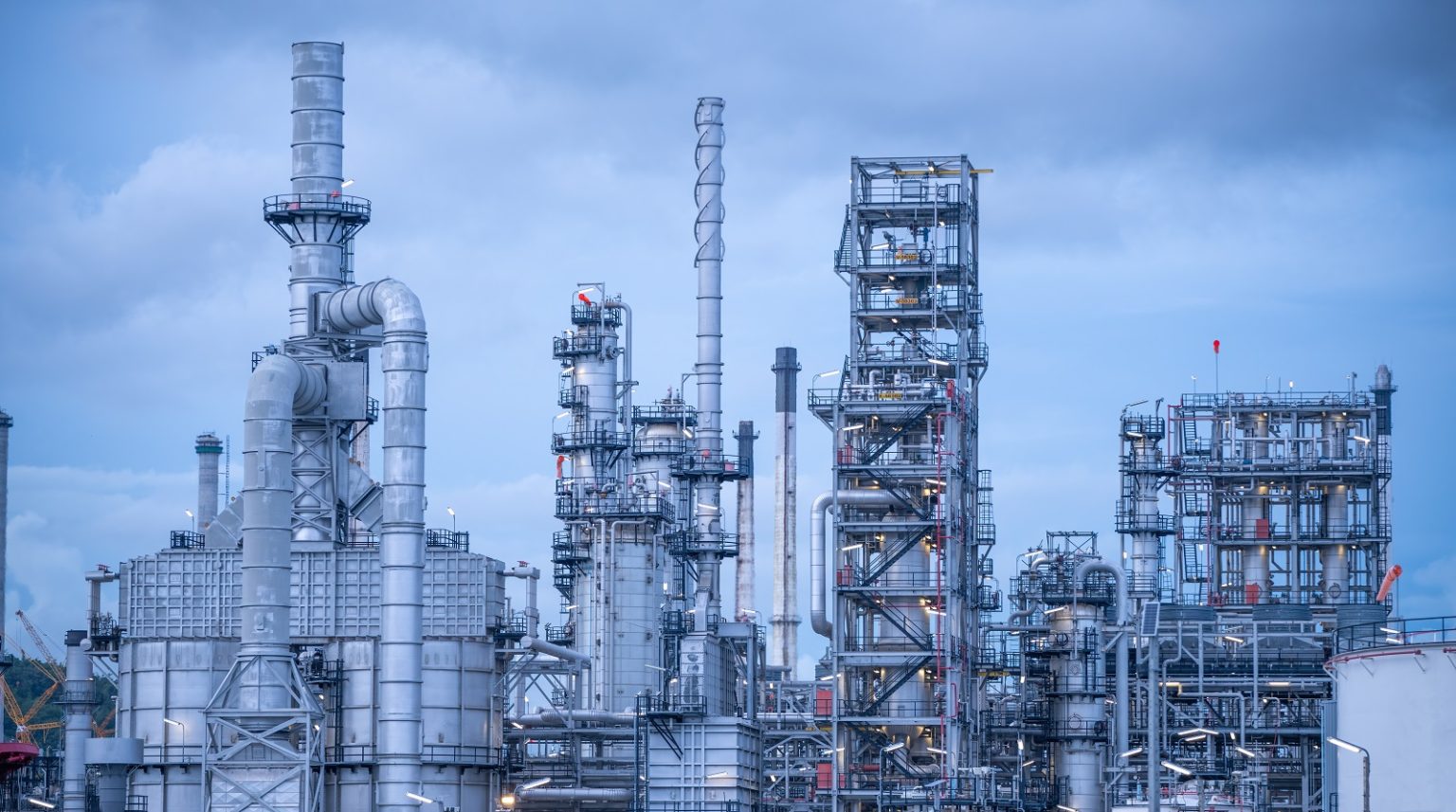
India has brought its first new integrated refinery complex in a decade into operation, adding fuel and petrochemical capacity at a time when markets are watching how Asian refiners manage crude supply risk.
The HPCL Rajasthan Refinery Ltd. complex, inaugurated by Prime Minister Narendra Modi on July 4, has capacity to process 9 million metric tons of crude a year and produce 2.4 million mt/year of petrochemicals. The project was built by state-run Hindustan Petroleum Corp. and the Rajasthan government, which hold 74% and 26% stakes, respectively.
“Today, we are inaugurating the Rajasthan Refinery. India has become the fourth-largest refining nation in the world. And we will not stop here,” Modi said at the opening ceremony.
The development adds pressure on India’s fuel supply chain to keep expanding as domestic demand rises and refiners respond to disruption linked to the Middle East conflict. According to S&P Global Energy CERA, the refinery is designed to run on more than 83% imported medium-grade crude, with the rest supplied domestically.
The project cost has also climbed. India’s cabinet recently approved an 84% increase in the cost estimate to Rupees 794.59 billion ($8.35 billion), up from Rupees 431.29 billion.
Petroleum Minister Hardeep Singh Puri said the refinery will have a Nelson Complexity Index of 17 and a product slate with more than 26% petrochemicals. He said the complex will help India’s refining ambitions as capacity falls in some developed economies.
“After the Paradip Refinery was inaugurated in 2016, HRRL stands out as a rare new-build, world-scale addition to global refining capacity, reinforcing India’s position as a bright spot in global refining investment,” Puri said.
India aims to raise refining capacity to 309.5 million mt/year, or 6.2 million barrels/day, by 2030, from 258 million mt/year.