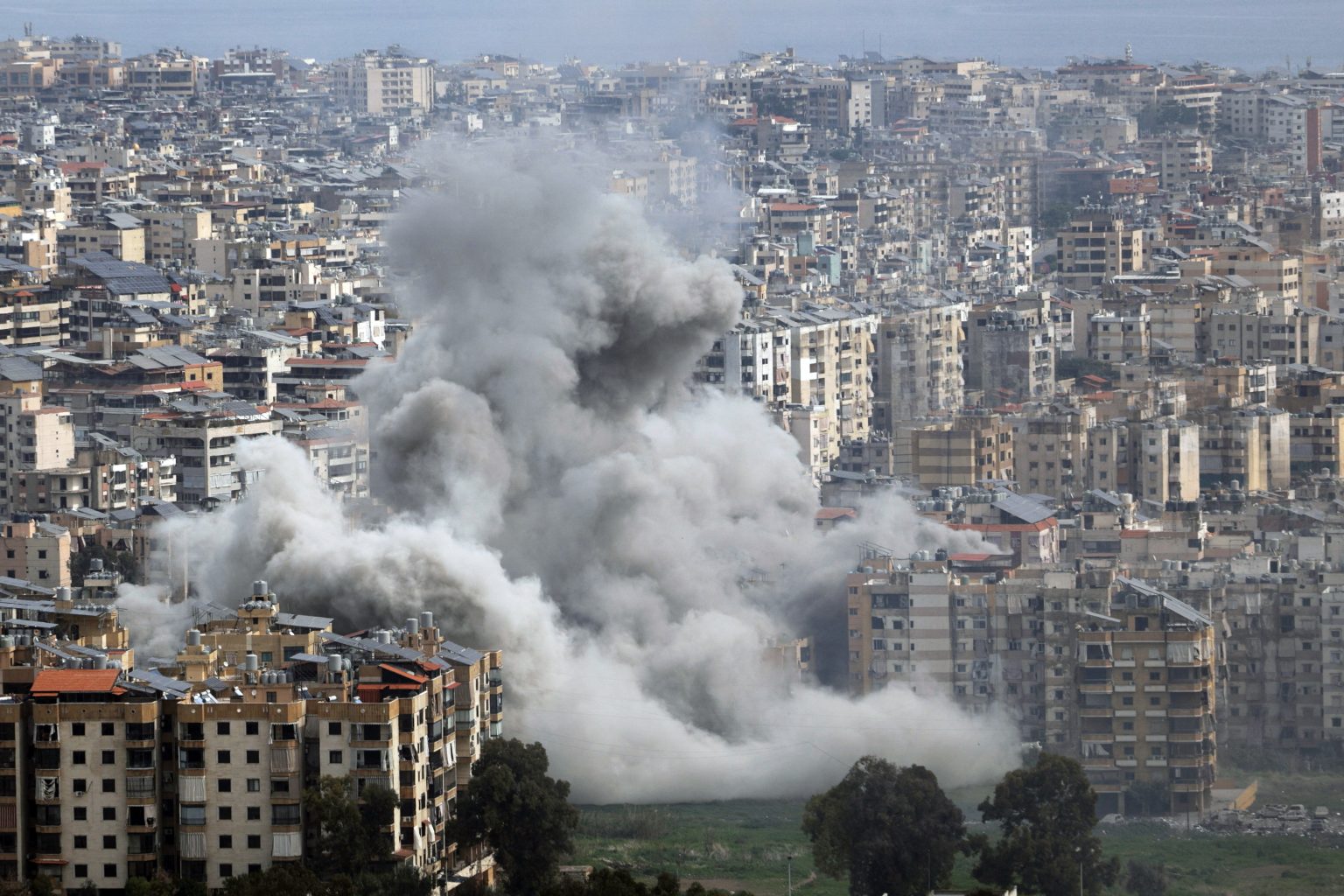
Iran launched a renewed wave of retaliatory drone and missile attacks against U.S. Gulf allies on Saturday following a seventh consecutive night of intensive American airstrikes targeting Iranian military and logistics infrastructure. The escalating conflict marks a volatile return to hostilities just one week after a fragile regional ceasefire agreement collapsed. Alongside the aerial campaigns, both nations have heavily restricted maritime traffic, with the United States enforcing a naval blockade while Tehran targets commercial shipping transiting the strategic Strait of Hormuz, a vital artery that handles roughly one-fifth of the global oil supply.
The U.S. military’s Central Command announced that its latest overnight operations successfully struck Iranian surveillance sites, underground weapons storage caches, and maritime capabilities. Local reports inside Iran confirmed significant damage to domestic infrastructure, including destroyed coastal roads, tunnels, and bridges in Hormozgan Province that resulted in multiple civilian casualties. The mounting disruption to global energy corridors triggered a sharp spike in crude oil prices, which surged by more than four percent on Friday to hit a one-month high, compounding domestic political pressure on U.S. President Donald Trump ahead of the November congressional elections.
In direct retaliation for the American offensive, Tehran launched strikes against neighboring Gulf states that host U.S. military airbases, specifically targeting infrastructure in Kuwait, Bahrain, Qatar, and Jordan. Authorities in Kuwait reported that an Iranian strike directly hit a critical power generation and water desalination plant, sparking an active fire and knocking out numerous electricity generation units. Meanwhile, Iran’s Revolutionary Guards claimed responsibility for destroying a U.S. drone repository and a major artificial intelligence center in Bahrain, while also firing a shore-to-sea cruise missile at an American naval vessel navigating the northern Indian Ocean.