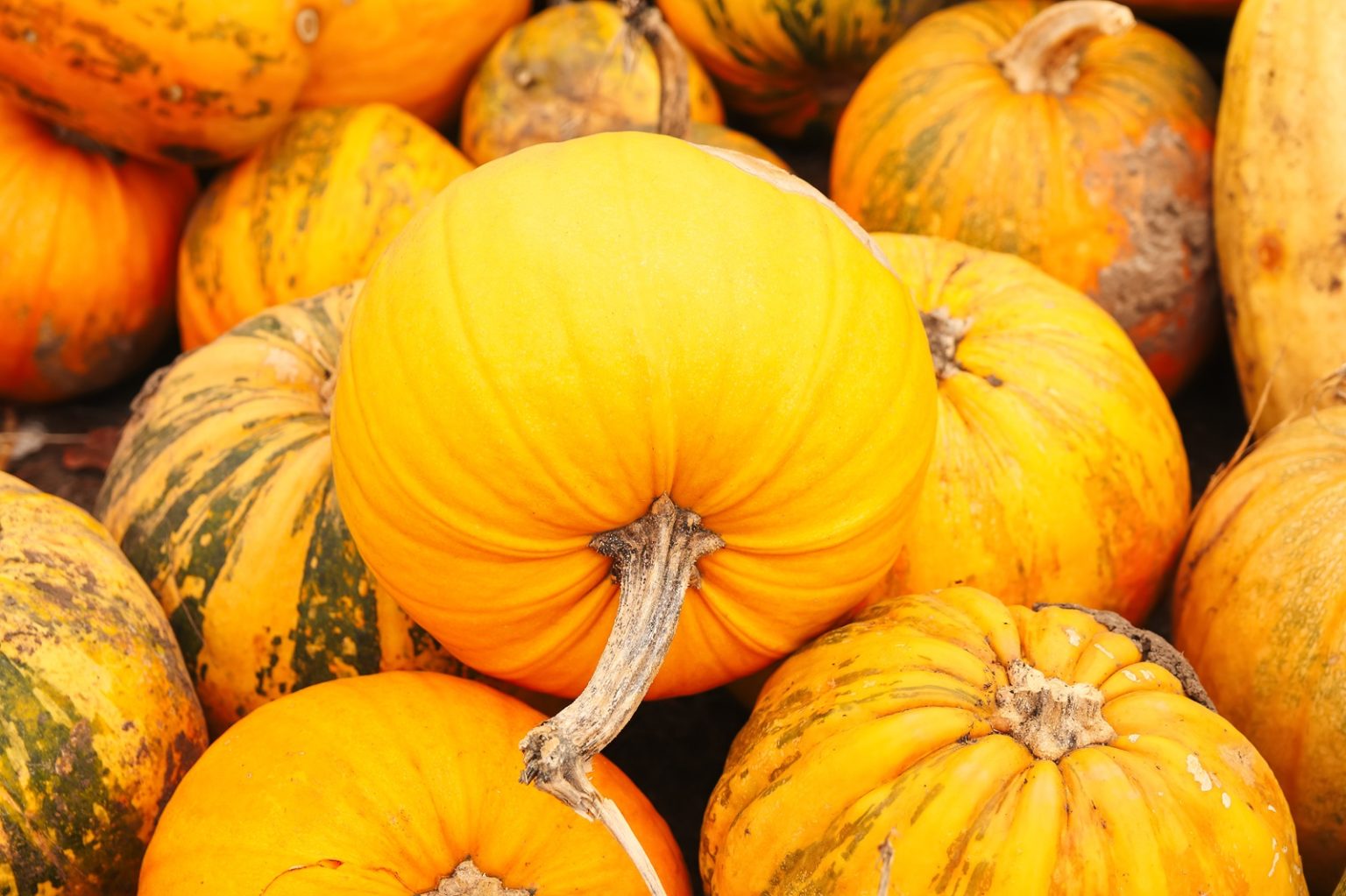
Pumpkin peel, usually treated as agricultural leftovers, is being tested as a new ingredient for food packaging that could help slow spoilage before produce reaches shoppers.
Researchers from Kyushu University in Japan have used the peel to make carbon quantum dots, or CQDs, according to details published by the innovation platform. The particles are roughly 10 nanometres across and form a fine powder with properties that block UV rays and have an antimicrobial effect.
The development could affect a stubborn part of the food system: waste that happens before products reach the consumer. The Kyushu University team said pumpkin peel accounts for around 10 percent of a pumpkin’s weight and contains useful components that can be repurposed.
The numbers give the experiment a large potential feedstock. US Department of Agriculture data shows the United States produced 1.44 billion pounds of pumpkins in 2024. China is the world’s largest pumpkin producer, followed by India.
The researchers linked the work to pre-consumer food loss, saying 40 to 50 percent of harvested fruits and vegetables are lost between farms and markets. If the CQD material can help protect food surfaces from degradation and browning, early results suggest crop waste could become part of the answer to another waste problem.
The approach challenges conventional food packaging by using a crop by-product rather than virgin material. For now, pumpkin peel is being treated less as a seasonal discard and more as a tiny, functional powder with a job to do.