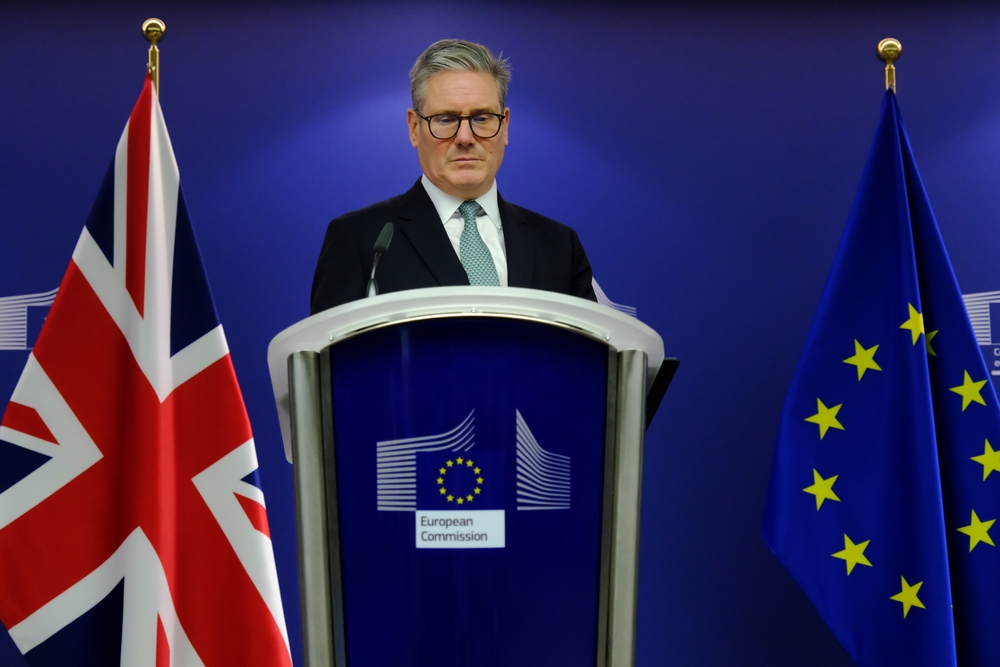
British Prime Minister Keir Starmer unveiled a £348 billion Defence Investment Plan on Tuesday covering the next four years, in what is expected to be one of his final major announcements before leaving Downing Street, with the package centered on a £5 billion push into drones and autonomous military systems.
The plan arrives almost a year later than originally promised and follows the resignation of former Defence Secretary John Healey on June 11, who said the funding on offer fell well short of what defence chiefs say is required. Healey and former Armed Forces Minister Al Carns had warned that Britain would be left less safe without a £28 billion increase. New Defence Secretary Dan Jarvis secured a partial boost, taking the additional funding to roughly £14.5 billion over four years, just over half the amount military leaders had called for.
The plan includes scrapping a planned new fleet of destroyer warships in favour of cheaper hybrid naval vessels designed to act as command hubs for drone operations. The shift reflects the drone-focused direction Jarvis pushed for in his two weeks reshaping the plan before its publication.
Opposition parties were sharply critical. Shadow Defence Secretary James Cartlidge said the package was too little and too late, accusing Starmer of rushing it through for the sake of a legacy. Liberal Democrat leader Ed Davey called the plan unforgivable, describing it as both late and underfunded. Britain will also lag behind several NATO allies on spending targets, with Germany aiming for 3.7% of GDP on defence by 2030 and Sweden targeting 3.5% by the same date.
Starmer is set to attend the NATO summit in Ankara on July 7, two weeks before Andy Burnham becomes eligible to take over as Labour leader. NATO Secretary-General Mark Rutte has urged member states to present clear and credible plans to reach the alliance’s five percent of GDP target, split between 3.5% on core defence and 1.5% on broader resilience spending. The White House said separately that President Donald Trump expects all NATO allies to meet that five percent pledge.