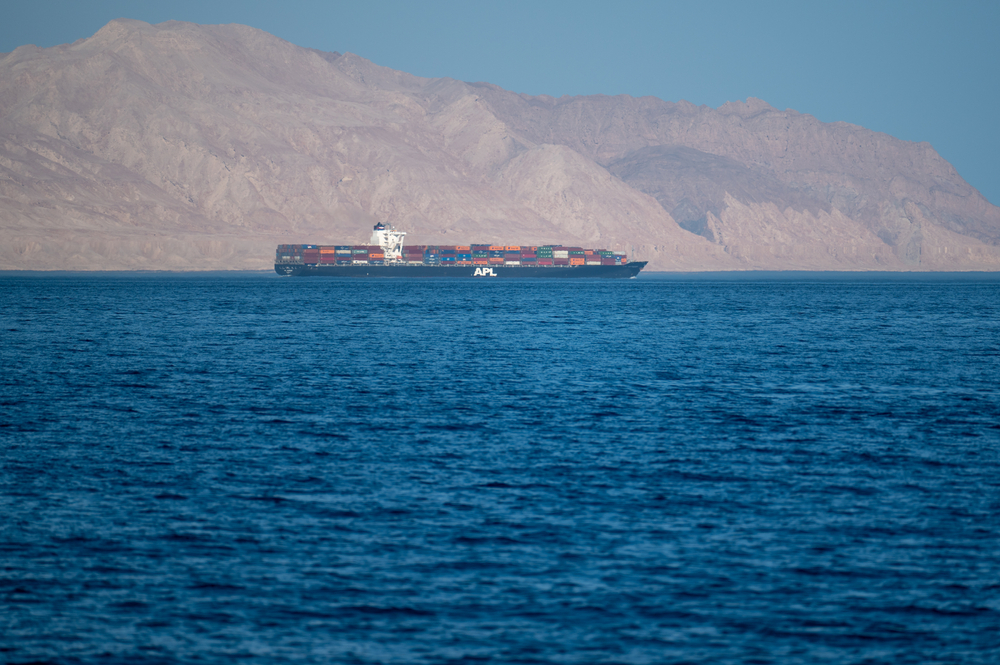
Diplomats at the Doha peace talks are currently working to finalize the Strait of Hormuz reopening following a devastating four-month maritime blockade that triggered a global fuel crisis. However, financial institutions and energy analysts warn that the severe economic damage caused by the near-total closure will linger for years. The unprecedented shipping disruption began on February 28, 2026, completely upending international trade architecture.
Data from the World Trade Organization reveals that the blockade caused a 95 percent drop in crude oil tankers and a 99 percent collapse in LNG vessels transiting the waterway. The International Energy Agency designated the event as the largest oil market disruption in history, which drove Brent crude past $120 per barrel. Although the regional diplomatic breakthrough signals a gradual Strait of Hormuz recovery, the Abu Dhabi National Oil Company estimates that full shipping volumes will not resume until 2027.
Developing economies continue to absorb the heaviest domestic hits, with Bangladesh, Pakistan, and Vietnam currently facing recession-level conditions. Meanwhile, European energy security remains highly vulnerable because gas storage facilities were depleted to 30 percent capacity during the conflict. Maritime normalization will face significant delays as the International Maritime Organization estimates roughly 80 underwater mines must still be cleared from the channel.