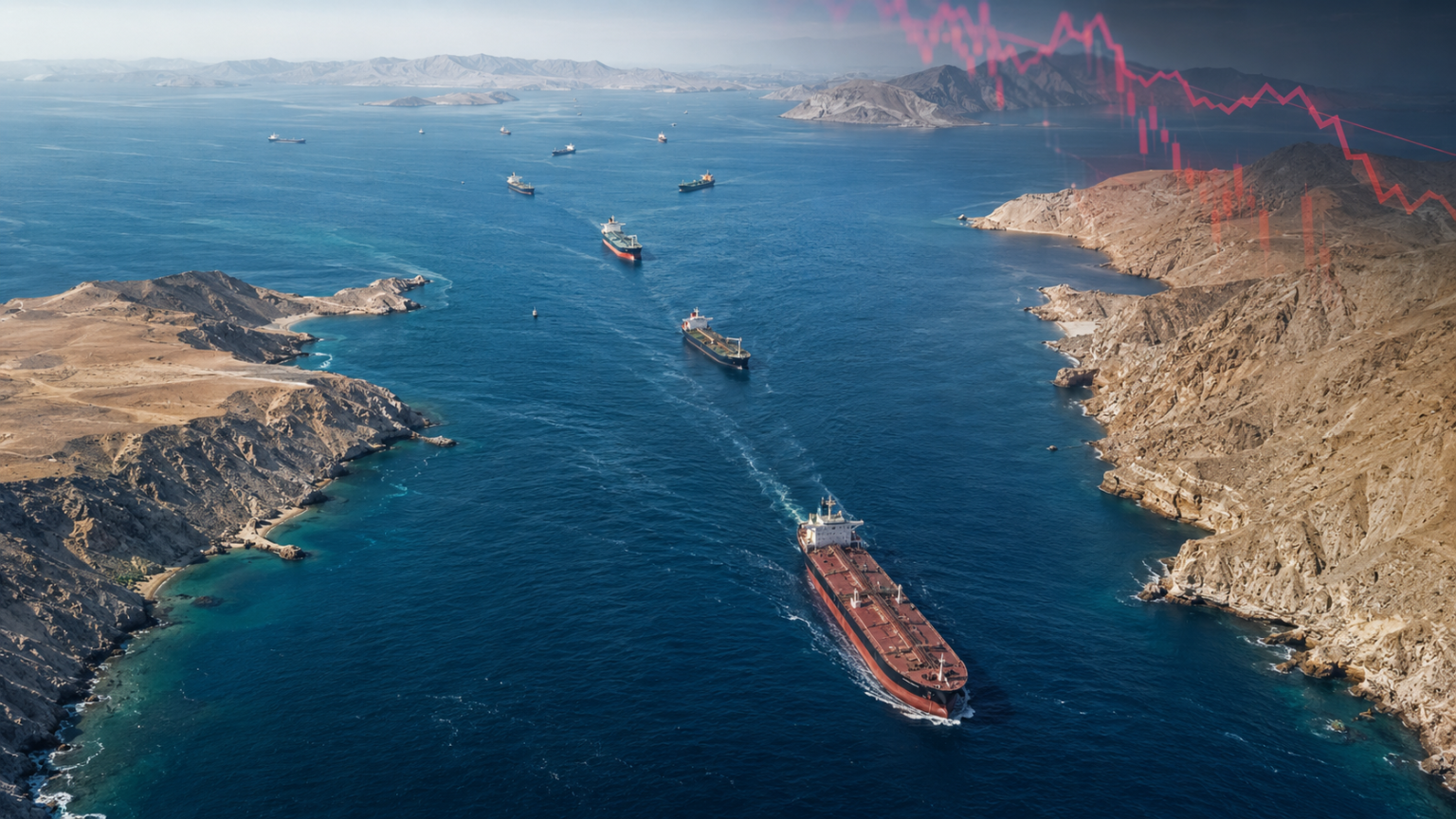
The United States military launched a powerful new wave of retaliatory airstrikes against multiple Iranian targets on Tuesday night, sharply escalating regional tensions. According to U.S. Central Command (CENTCOM), the latest Strait of Hormuz strikes were ordered after Iranian forces allegedly attacked three civilian-crewed commercial shipping vessels transiting the vital international waterway within a single day.
The heavy aerial bombardment targeted strategic military infrastructure across southern Iran, including anti-ship cruise missile positions, air defense networks, and drone launch facilities on Qeshm Island, in Sirik, and near the major port city of Bandar Abbas. While no immediate casualties were reported, U.S. military officials described the operation as four to five times more intense than actions taken a week and a half prior, framing it as a direct punishment designed to impose heavy costs on Tehran. Following the attacks, maritime authorities officially raised the shipping threat level in the channel from “substantial” to “severe.”
These fresh Strait of Hormuz strikes occur at a highly critical diplomatic juncture, threatening to permanently shatter a fragile 60-day ceasefire established last month under the Islamabad memorandum of understanding. The sudden military flare-up also coincided with Washington revoking a temporary sanctions waiver for Iranian oil, applying immense economic pressure on Tehran as it negotiates a final settlement. While Iran’s Foreign Ministry aggressively condemned the strikes as a blatant violation of the truce and warned of “decisive measures” to protect its national sovereignty, U.S. forces remain heavily deployed and vigilant in the Gulf to enforce toll-free passage through the waterway.