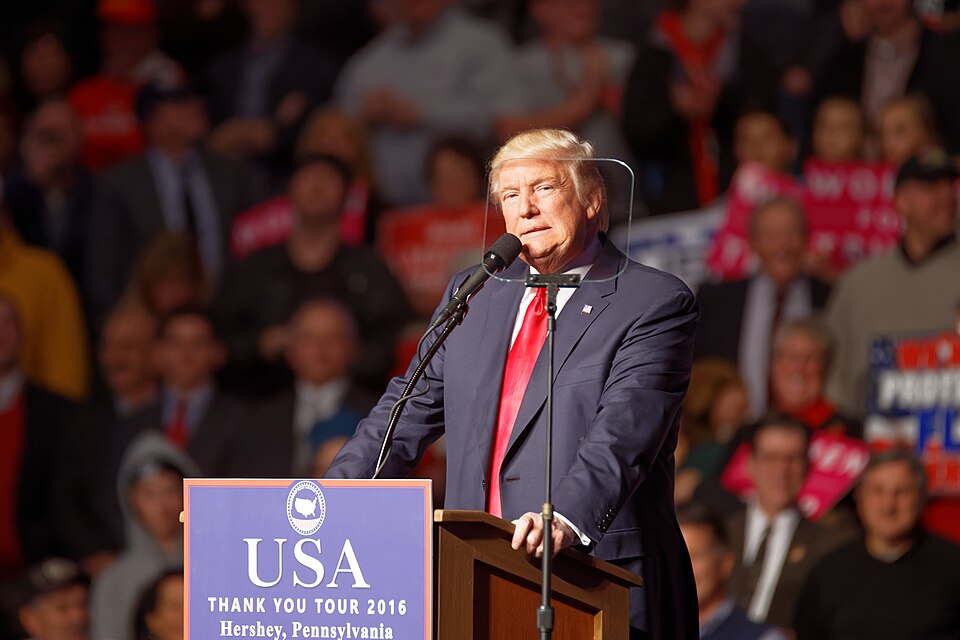
Fresh US strikes on Iran have pushed President Donald Trump back into a fight with Congress over who controls America’s war powers, after a Democratic lawmaker accused him of defying a congressional resolution passed days earlier.
The US military’s Central Command struck Iranian military sites on Saturday, after the administration accused Tehran of targeting a ship moving through the Strait of Hormuz. Iran responded on Sunday with attacks on US military sites in Bahrain and Kuwait, raising new doubts over a fragile US-Iran memorandum of understanding signed on June 17.
Representative Ro Khanna of California condemned the latest US attacks, calling them “a blatant violation” of the congressional resolution. He wrote that “Trump must stop this war now – or we will take him to court to compel him to do so.”
Congress passed the measure on Tuesday. It directs the president to remove US forces from hostilities against Iran unless military action is “explicitly authorized by a declaration of war or a specific congressional authorisation.” The House had passed the measure on June 3, while the Senate approved it 50-48 with four Republicans joining Democrats.
The White House has dismissed the vote. A White House official said the resolution had “no significance” and argued that “there are no hostilities from which to remove US forces, as hostilities terminated with the ceasefire on April 7th.” Trump called the vote “poorly timed and meaningless” and said it “provided aid and comfort” to Iran.
The legal question is not simple. The resolution is largely symbolic unless it carries the force of law, and past presidents have used military force without formal declarations of war. But critics say the weekend strikes changed the political argument, because they came after Congress told Trump to seek approval or halt the campaign.
Iran says the renewed attacks violate the June 17 memorandum signed by Trump and President Masoud Pezeshkian. For now, the dispute has moved on two tracks: missiles in the Gulf, and a constitutional fight in Washington.