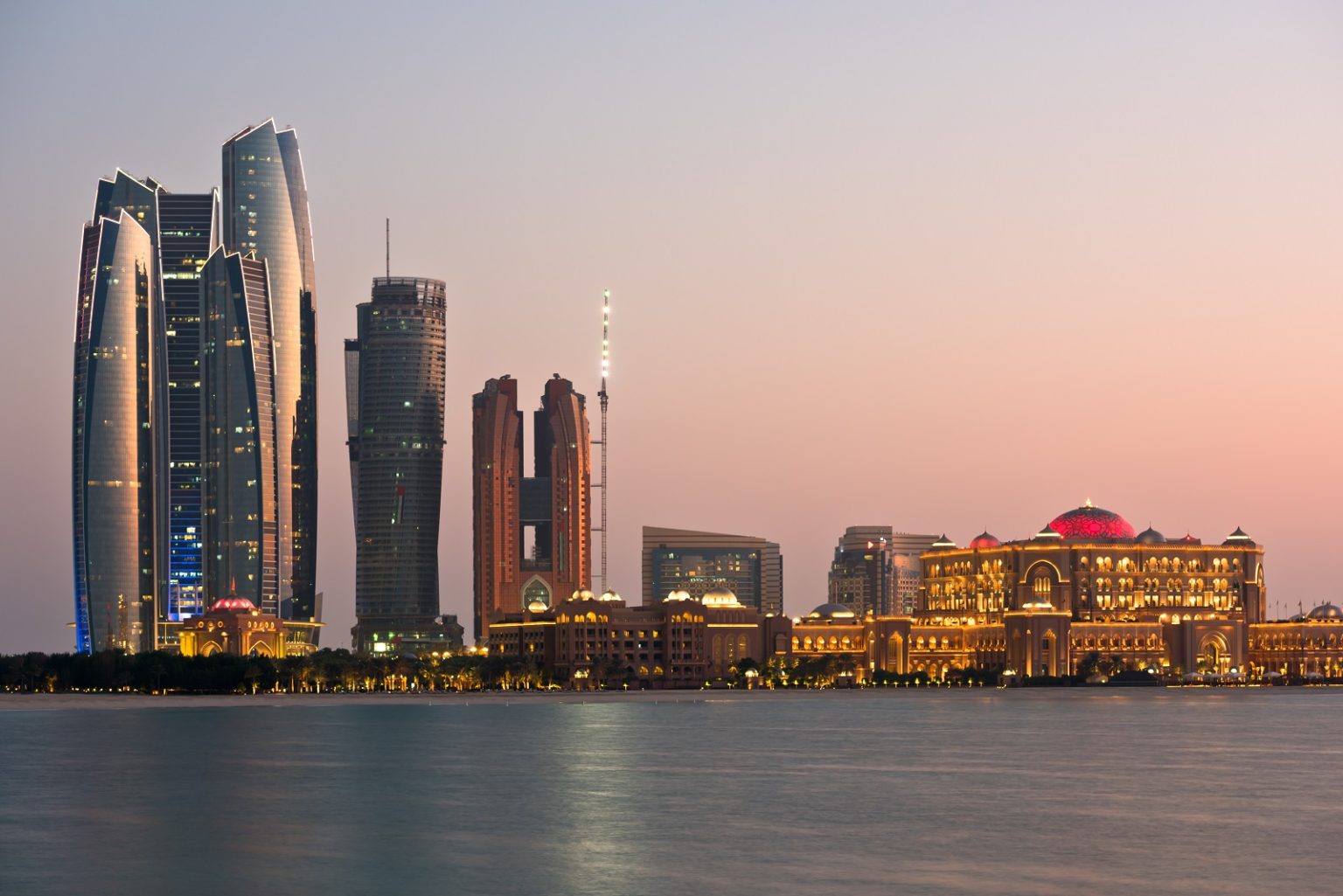
A new poll by Consulum and HarrisX of 2,043 investors across the United States, United Kingdom, Germany, France and China found that 82% of global investors are confident in the Gulf’s future economic outlook, with 69% rating the region as a good or great place to invest or do business right now.
Confidence was highest among Chinese investors at 91%, followed by the US and UK at 84% each, Germany at 80% and France at 71%. Some 70% expect the GCC’s global economic importance to grow over the next five years, and 71% believe the US-Israel-Iran conflict will end in a negotiated agreement rather than a prolonged confrontation.
The UAE’s June S&P Global PMI remained above the 50-point expansion threshold even during the kinetic phase of the conflict, according to Standard Chartered, which expects UAE business activity to accelerate in the third quarter of 2026 supported by domestic consumption and a gradual recovery in external demand. Saudi Arabia’s point-of-sale transactions rose 6% year on year in May, returning to January 2026 levels.
Dubai’s DFM General Index has climbed roughly 13% from its March low and is on course for its best quarter in a year, with analysts attributing the rebound mainly to a reversal of geopolitical risks as Hormuz concerns eased. However, the same analysts caution the ceasefire looks fragile. The 60-day MoU clock runs to mid-August, and pension funds, insurers and cautious retail investors want confirmation before rotating out of US dollars and Treasuries and back into regional equities and cyclical stocks.
Gulf sovereign wealth funds invested an estimated $119 billion in 2025, with most flowing to the United States, but analysts at the Council on Foreign Relations warn a potential reduction in that flow in 2026 could be a significant challenge for US hyperscalers funding their AI ambitions.