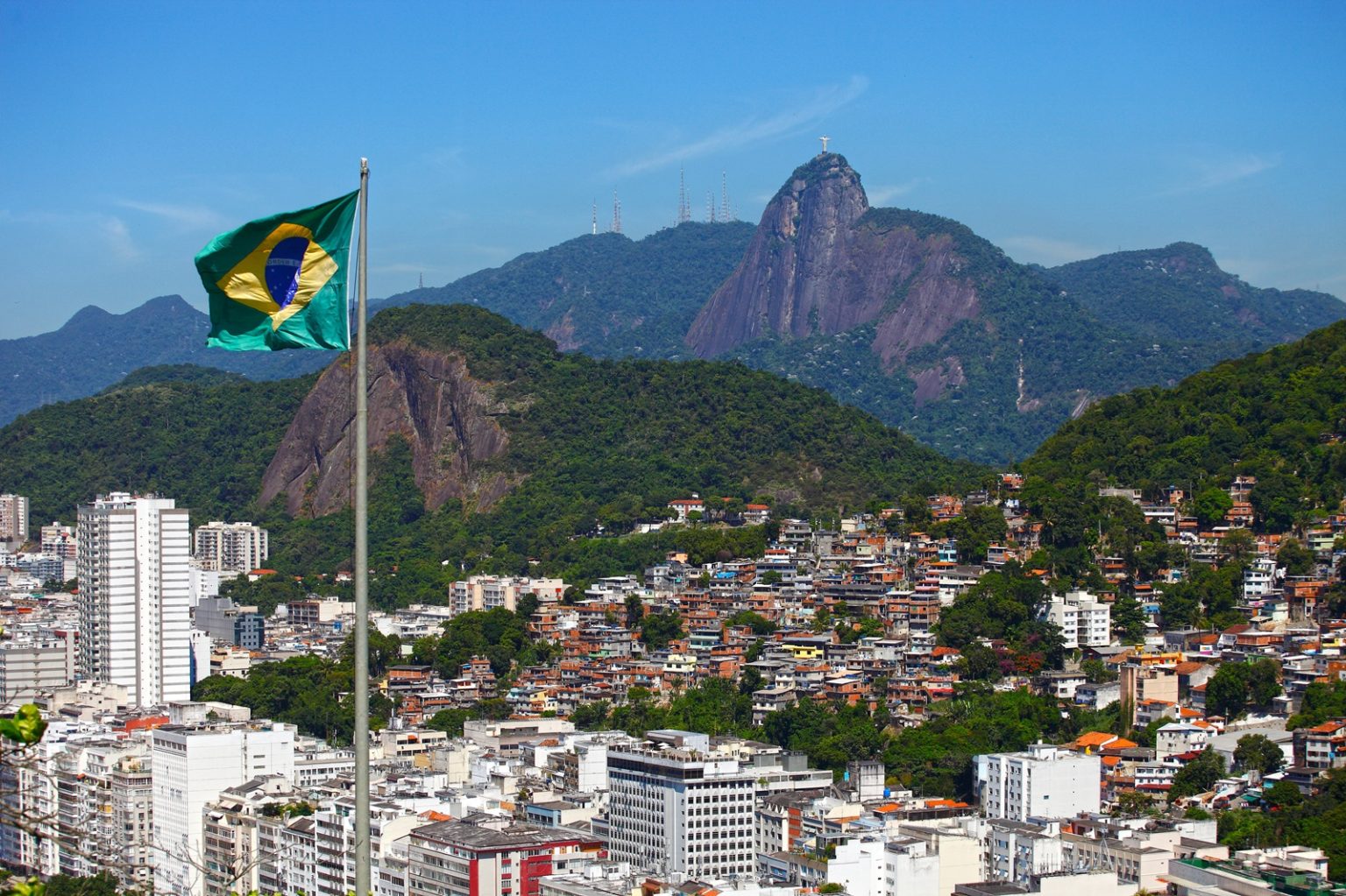
The Trump administration announced 25% tariffs on more than 4,100 Brazilian products worth approximately $15 billion in annual exports on Wednesday, making Brazil the first country targeted under its revived Section 301 trade strategy after the Supreme Court struck down the broader global tariff package in February. The new tariffs are scheduled to take effect on July 22.
The tariffs cover sugar, pig iron, ethanol, wood products and tobacco, while beef, coffee, aircraft parts and rare earths are expected to be partially exempt. A second separate US Trade Representative investigation into forced labour practices in Brazilian supply chains is due to conclude on July 24, and could add a further 12.5%, bringing the total tariff burden on some Brazilian goods to 37.5%.
Brazil’s National Confederation of Industry said the tariffs would affect manufacturers on both sides, noting that large US consumer and technology companies had submitted requests for product exemptions, a sign supply chains are too intertwined for a clean commercial split. Brazil’s Foreign Ministry rejected the measure as a violation of World Trade Organization rules. A Brazilian official told Reuters the two sides held dozens of meetings, six or seven in the last month alone, but the US was demanding the impossible.
Brazilian President Luiz Inácio Lula da Silva has told his team to keep talking before retaliating, with a new Economic Reciprocity Law giving Brasília legal tools to respond if talks fail. The tariffs arrive less than three months before Brazil’s presidential election.