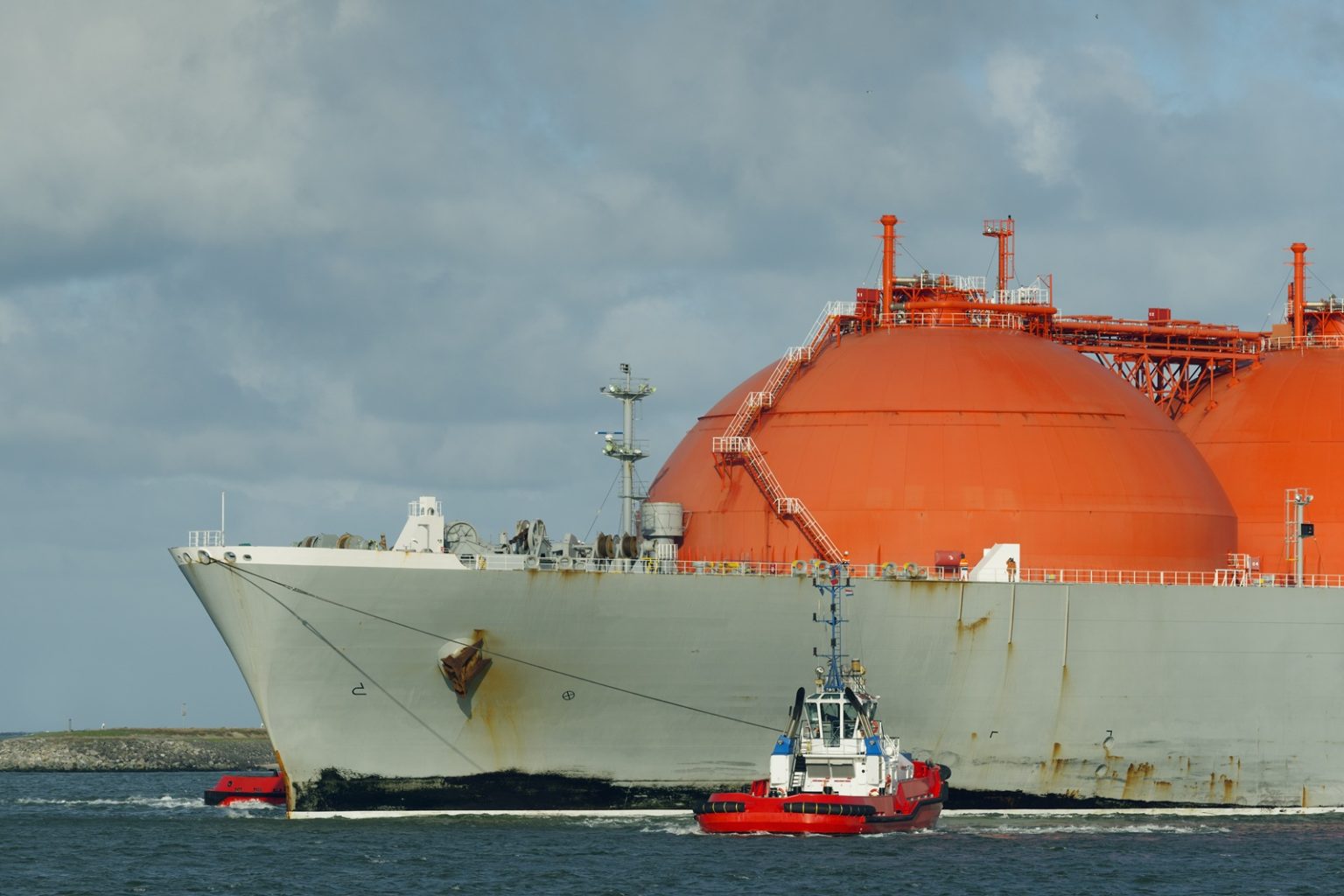
Only four vessels transited the Strait of Hormuz on Sunday, down from eight on Saturday, with no liquefied natural gas tanker having passed through since Thursday July 16, according to LSEG shipping data published Monday, in the clearest sign yet that the renewed US-Iran military exchange has effectively shut the world’s most critical energy chokepoint for a second time this year.
At least three oil products tankers and one Very Large Crude Carrier have entered the strait since Friday to load oil, the data showed. There have been no visible LNG tankers passing through the strait since Thursday, July 16.
The collapse in traffic mirrors the complete shutdown that followed the original February 28 outbreak of war, when a single day of fighting reduced Hormuz oil shipments by 86%. The pre-war daily average was approximately 110 vessels. Four transits represents less than 4% of that baseline, a level indistinguishable from full closure.
The LNG blackout is the most alarming signal for Asian markets. Qatar’s Ras Laffan complex, which supplies roughly a fifth of the world’s LNG, already suffered 17% capacity damage from earlier strikes and has not resumed full export operations. South Korea, Japan, Taiwan and Singapore are the most exposed importers.