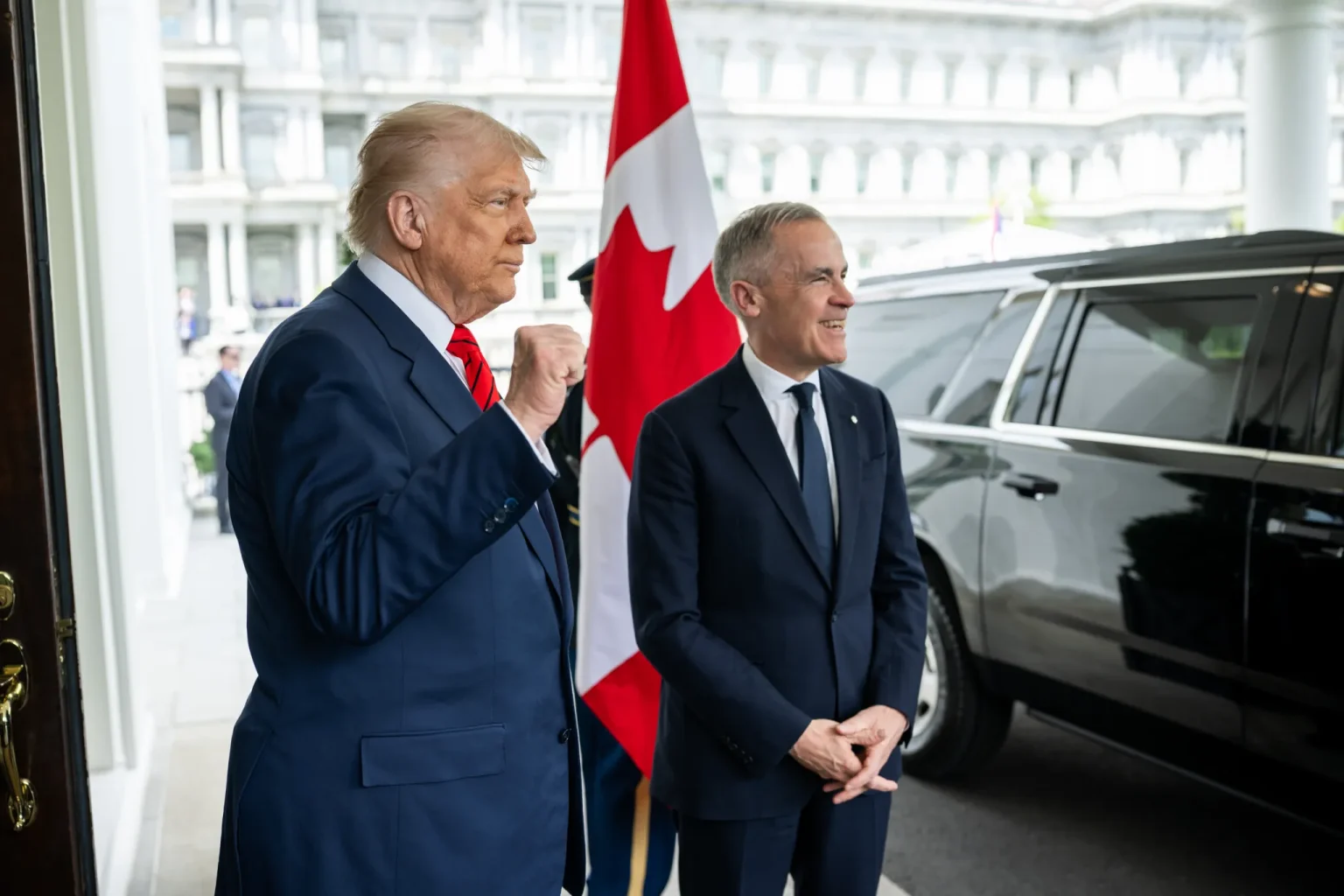
U.S. President Donald Trump signed executive orders imposing a sweeping 50% tariff on a wide array of Canadian imports, marking a drastic escalation in trade tensions between the neighboring allies. Scheduled to take effect on August 19, the new duties invoke Section 338 of the 1930 Tariff Act—an unprecedented legal mechanism—and target consumer and industrial goods including wine, hockey equipment, textiles, and cement.
The White House justified the unilateral measure by pointing to Canada’s retaliatory trade policies and alleged discrimination against U.S. exports, specifically citing provincial boycotts of American alcohol, automobile taxes, and Ottawa’s high import tariffs on dairy products.
Key Canadian exports such as energy, potash, critical minerals, and fish have been exempted from the order.
In response, Canadian Prime Minister Mark Carney condemned the move as a direct violation of the Canada-United States-Mexico Agreement (USMCA), emphasizing that Ottawa stands ready to “intensify” trade negotiations in the coming weeks to protect Canadian workers, businesses, and economic stability.
Meanwhile, provincial leaders have called for immediate, dollar-for-dollar retaliatory tariffs if Washington proceeds with the duties, raising fresh fears of inflationary pressures and supply chain disruptions across North America.