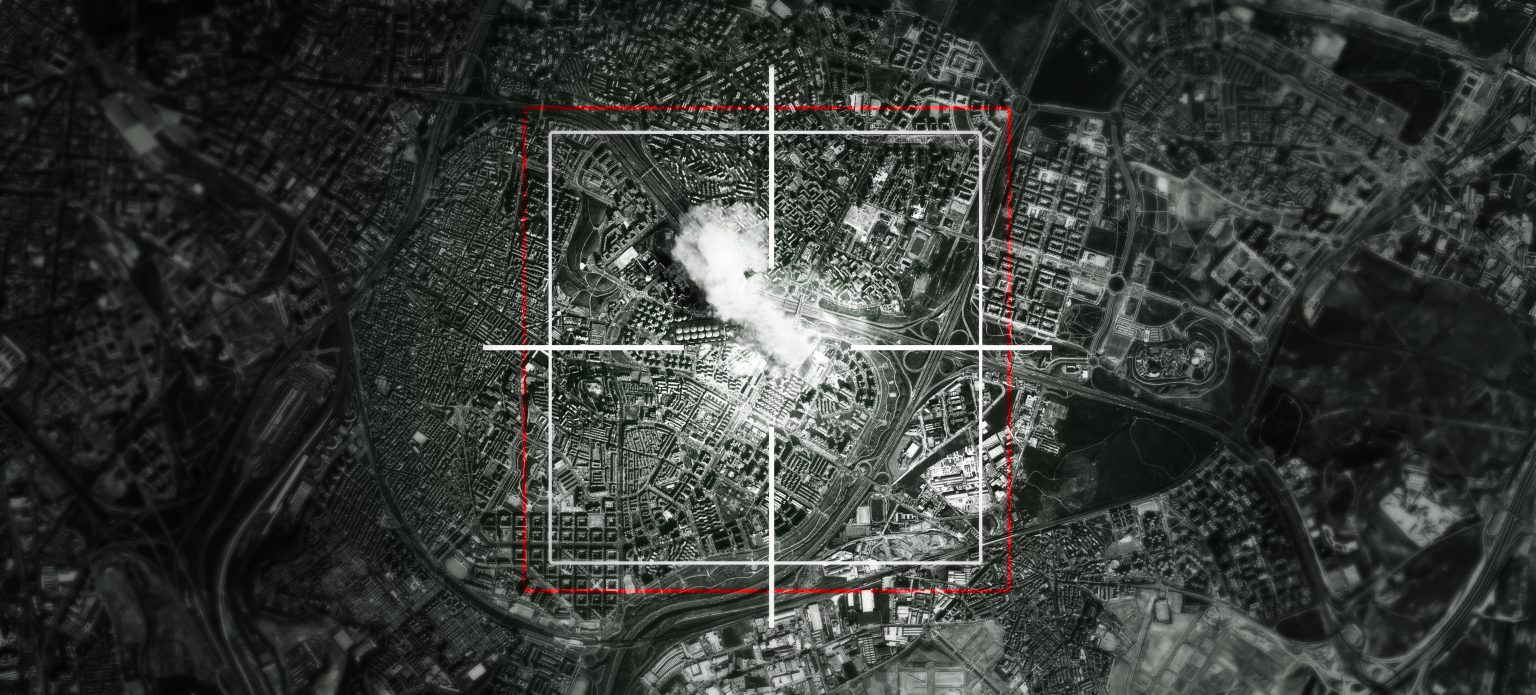
The U.S. military launched a 12th consecutive night of airstrikes against targets in Iran on Wednesday, as both Washington and Tehran escalated rhetoric threatening each other’s civilian infrastructure and energy networks. U.S. Central Command confirmed the latest wave of strikes was aimed at further degrading Iranian capabilities to attack commercial shipping in the Strait of Hormuz, where international maritime transit remains severely disrupted.
The escalation followed a direct warning from U.S. President Donald Trump, who declared on social media that American forces will bomb an Iranian bridge or power plant for every ship Iran targets in the vital waterway.
“From this point forward, any time the Islamic Republic of Iran shoots at a ship in the Strait of Hormuz… the United States will bomb and destroy ONE BRIDGE OR POWER PLANT,” Trump stated.
In response, Iranian Foreign Minister Seyed Abbas Araghchi warned that Tehran would adopt an “eye for an eye” defense doctrine, promising a “decisive response” to any strikes on Iranian state infrastructure as Iranian state media reported U.S. missile impacts near Ahvaz, Ramshir, and Andimeshk.
The widening conflict continues to reverberate across global energy markets, sending Brent crude prices past $93 a barrel and driving up domestic fuel prices.
Speaking at the ASEAN summit in Manila, U.S. Secretary of State Marco Rubio defended the military campaign, warning Asian leaders that allowing Iran to unilaterally charge tolls and attack ships in an international strait would establish a “very dangerous precedent” for global commerce and freedom of navigation.