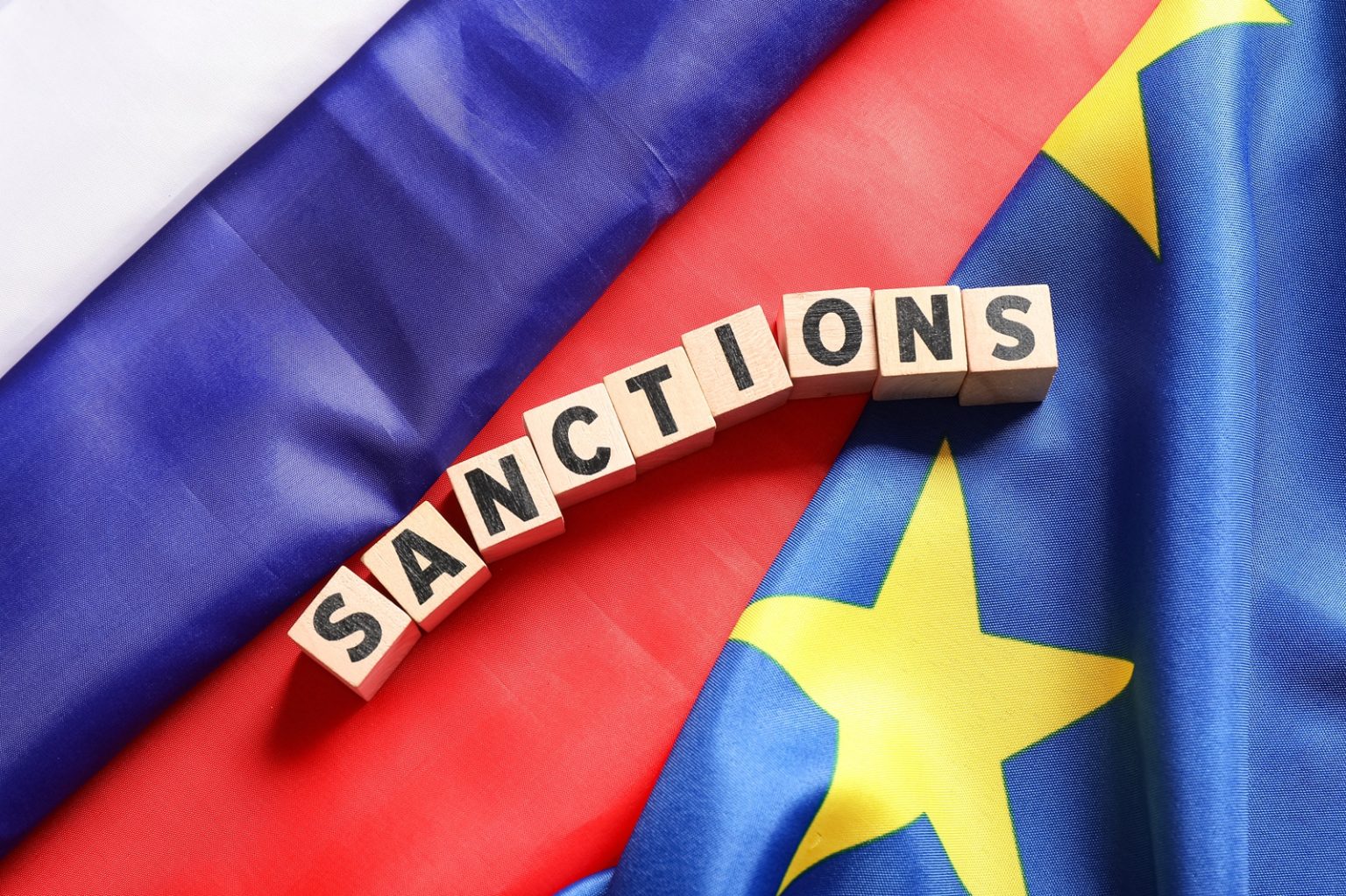
EU ambassadors have reached a political agreement on a 21st sanctions package against Russia over the war in Ukraine. The package targets Russia’s energy, financial services, crypto and trade sectors, according to European Council President Antonio Costa. It also blacklists more Russian officials over the war.
A central element of the agreement is a 12-month freeze on the Russian oil price cap. EU diplomats said the move is intended to keep the cap on Russian crude exports locked at $44 and prevent it from rising because of market movements.
European Commission President Ursula von der Leyen said the measure would ensure that “the Russian war machine does not benefit from market shocks.”
The agreement also includes a one-year exemption allowing the transfer of Russian liquefied natural gas to third countries, with automatic renewal. Diplomats for France 24 said the final obstacle was removed after Greece was granted an exemption allowing one of its shipping companies to continue transporting Russian LNG from the Arctic.
“Member states showed solidarity with Greece and it’s expected that Greece will do the same with others in the future,” one EU diplomat said.
The package had been delayed by objections from several member states over different proposed measures. Some elements were removed or postponed before the deal was reached.
A proposed wider visa ban targeting Russians who fought in Ukraine was not included, with diplomats saying member states only committed to continue work on such a measure in the future.
Bulgaria said it blocked an attempt to place Russian Orthodox Patriarch Kirill under an asset freeze and visa ban. Diplomats also said Portugal and France objected to a proposed ban on imports of cod and Alaskan pollock from Russia.
Technical work on the sanctions package is now expected to be completed before a written procedure for formal adoption is launched.