By using this site, you agree to the Privacy Policy and Terms of Use.
Accept
globalreporters.comglobalreporters.comglobalreporters.com
Font ResizerAa
  • Politics
    • Europe & UK
    • USA
    • Middle East
    • Africa
    • Asia
  • Business
    • Economy
    • Energy
  • Tech & AI
    • Big Tech
    • Innovation
    • Social Media
  • Entertainment
    • Celebrity
    • Music & TV
  • Sport
    • Football
    • Basketball
    • Tennis
    • Other
  • Opinion
Reading: Algeria Votes for Parliament Amid Low Turnout Fears
Share
Font ResizerAa
globalreporters.comglobalreporters.com
Search
  • Politics
    • Europe & UK
    • USA
    • Middle East
    • Asia
    • Africa
  • Business
    • Economy
    • Energy
  • Entertainment
    • Celebrity
    • Music & TV
  • Sport
    • Basketball
    • Football
    • Tennis
    • Other
  • Tech & AI
    • Big Tech
    • Innovation
    • Social Media
  • Opinion
Follow US
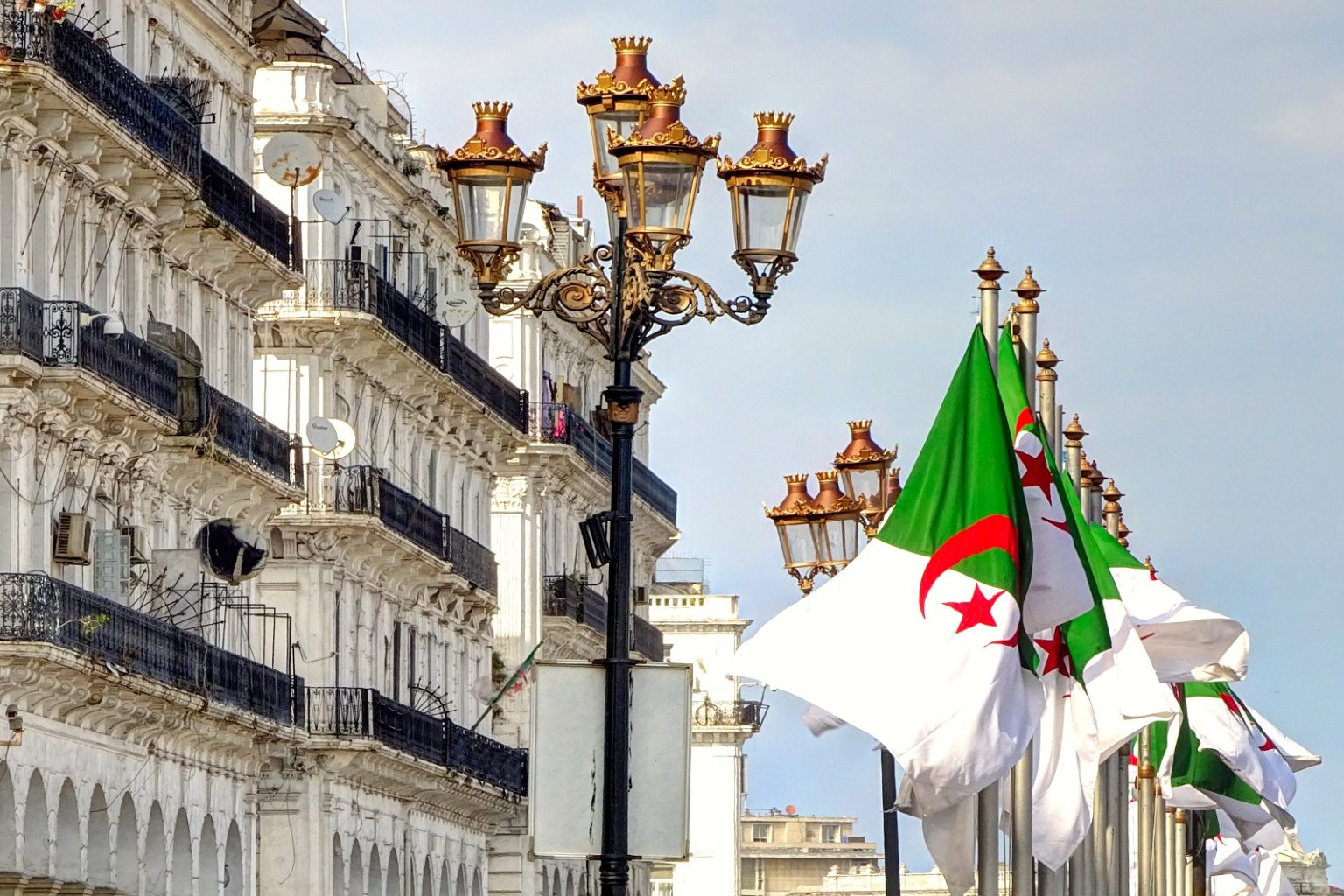
Algiers Cityscape, Algeria/by High-Fliers/Envato
Africa

Algeria Votes for Parliament Amid Low Turnout Fears

Last updated: July 2, 2026 13:10
Maria Lindqvist
Published: July 2, 2026
Share
Algiers Cityscape, Algeria/by High-Fliers/Envato
SHARE

Algerians vote to elect a new parliament in a ballot shaped by economic frustration, candidate exclusions and lingering distrust of formal politics seven years after the Hirak protest movement forced former President Abdelaziz Bouteflika from power.

Nearly 25 million eligible voters were called to choose members of the 407-seat lower house, the People’s National Assembly, for five-year terms. The government declared election day a paid national holiday in an effort to encourage participation, but turnout remained the central question after a muted campaign that struggled to draw public interest.

The vote comes five years after the 2021 legislative election recorded turnout of just 23 percent, the lowest for a parliamentary poll since Algeria gained independence in 1962. Many opposition voters boycotted that election after the Hirak movement, which began in 2019, was followed by tighter limits on protests, media activity and civil society groups.

This year, the main opposition Socialist Forces Front returned to the race after boycotting the 2021 vote. Party official Rachid Chaibi said participation was necessary despite limited expectations, calling it a chance to “give meaning to parliamentary action.”

The campaign, however, unfolded against widespread voter apathy. Many Algerians have been more focused on inflation, jobs, public services and the national football team’s World Cup campaign than on party rallies. Candidates and parties increasingly turned to small street meetings, markets and cafes after larger campaign events drew weak crowds.

Candidate exclusions also raised questions about how open the contest would be. The Associated Press reported that 269 candidates, including some linked to the Islamist Movement of Society for Peace and former Hirak figures, were barred from running. The electoral authority said the rejected candidates had links to “illicit financial networks” or “suspicious political activities.”

Al Jazeera reported that Algeria’s election authority said more than 3,700 prospective candidates were excluded during the wider vetting process, while about 10,000 were approved. Opposition figures criticized the rules as broad and vulnerable to political use.

The outgoing pro-government majority holds about 300 seats, while the Movement of Society for Peace is the largest opposition force, with 64 seats. President Abdelmadjid Tebboune, re-elected in 2024, remains the dominant political figure, and the new parliament is not expected to sharply alter the balance of power.

The result most closely watched by many observers may be turnout. A weak participation rate would point to continued public disengagement from Algeria’s post-Hirak political institutions, even without a major opposition boycott.


UN Probe Says Sudan’s RSF Atrocities in El Fasher Amount to Genocide
Military Governments Across the Sahel Are Redrawing Africa’s Political Map
Amnesty Accuses Sudan’s RSF of Crimes Against Humanity in El Fasher
UAE Sends $30 Million Emergency Aid to Sudan’s El Obeid
NY Times: The World Needs to Stop The Killing in Sudan
TAGGED:Abdelmadjid TebbouneAfrican politicsAlgeriaAlgeria electionHirakNorth Africaparliamentary elections
Share This Article
Facebook Email Print

Follow US

Find US on Social Medias
FacebookLike
XFollow
InstagramFollow
TiktokFollow

Weekly Newsletter

Subscribe to our newsletter to get our newest articles instantly!
[mc4wp_form]
Popular News
Berlin, Berlin Germany - 06 02, 2026: Press conference by Federal Chancellor Merz and the Prime Minister of Hungary, Péter Magyar / Shutterstock
Europe & UK

Hungarian Prosecutors Raid Fidesz Party Servers in Expanding Corruption Investigation

Maria Lindqvist
Maria Lindqvist
July 21, 2026
IEA Warns Energy Markets Remain Exposed as Fuel Supplies Tighten
Robbie Williams Shuts Down Cocaine Rumor After World Cup Final Clip Goes Viral
World Leaders Welcome Burnham, Then Point to the Size of the Job
Two Palestinians Killed After West Bank Raid Residents Say Involved Settlers And Soldiers

About us

Global Reporters is a fast-paced international news platform that brings the world's most important stories — from politics and world affairs to technology, culture, and everything in between — to a global audience in a clear, visual, and modern way.

Categories

  • Politics
    • Europe & UK
    • USA
    • Middle East
    • Africa
    • Asia
  • Business
    • Economy
    • Energy
  • Tech & AI
    • Big Tech
    • Innovation
    • Social Media
  • Entertainment
    • Celebrity
    • Music & TV
  • Sport
    • Football
    • Basketball
    • Tennis
    • Other
  • Opinion
Reading: Algeria Votes for Parliament Amid Low Turnout Fears
Share

Newsletter

Subscribe to our newsletter to get our newest articles instantly!

Check your inbox or spam folder to confirm your subscription.

Welcome Back!

Sign in to your account

Username or Email Address
Password

Lost your password?