An editorial published by The New York Times argues that the world is failing to respond with sufficient urgency to the war in Sudan, where another major human rights catastrophe may now be unfolding around the city of El Obeid.
According to the editorial, the Rapid Support Forces, which control parts of Sudan and have been linked to repeated atrocities, have gathered outside El Obeid and nearly surrounded the strategically important city. Around 600,000 people are facing severe shortages of food, water and medicine, while drone attacks have already killed civilians.
The editorial cites U.N. High Commissioner for Human Rights Volker Türk, who warned that the signs from El Obeid are “clear and unmistakable” and that another catastrophe is unfolding in Sudan.
A War the World Keeps Ignoring
Sudan’s war has been dangerously overlooked, even though it is one of the world’s deadliest conflicts. The war does not fit neatly into the major geopolitical debates that shape global attention around Ukraine or the Middle East. Africa is also too often ignored because of racial and economic double standards, while Sudan’s long history of conflict has made many outside observers treat peace efforts as futile.
Those explanations are unacceptable. The cost of neglect has been devastating, with independent monitors estimating the death toll at between 150,000 and 400,000 people. Beyond the suffering inside Sudan, the longer the war continues, the greater the risk that instability will spread across the region.
The threat to El Obeid should force urgent international action. The United States is especially well positioned to pressure regional powers that have influence over the warring sides. Egypt, Saudi Arabia and the United Arab Emirates have all played roles in the conflict, and Washington should use its leverage to push for renewed peace talks and a cease-fire.
The Trump administration should urgently recommit to ending the war and protecting civilians at risk of sexual assault, torture and death.
Ending the war will be difficult. Sudan has faced repeated instability since independence in 1956, including coups, civil wars and the Darfur genocide of the early 2000s. The country’s main divide is ethnic rather than religious. More than 90 percent of Sudan’s population is Muslim, but the population is split between an Arab majority and several non-Arab Black ethnic groups. During the Darfur genocide, Arab militias backed by the Sudanese government killed hundreds of thousands of Black civilians.
The current war followed the fall of Omar al-Bashir, who ruled Sudan for three decades. After protests erupted in 2018 over fuel and wheat subsidies, the military and powerful militias joined forces to remove him from power the following year. Their alliance later collapsed, and the rival armed factions began fighting each other.
The war is also driven by competition for territory and control of Sudan’s resources, including gold, oil and agricultural products. Both sides have committed atrocities.
On one side is the Sudanese Armed Forces, led by Gen. Abdel Fattah al-Burhan, who is recognized by many countries as Sudan’s head of state. The army has close ties to the Muslim Brotherhood and has received aid from Iran and Egypt. The United Nations has accused the armed forces of war crimes, including torture and sexual violence, while human rights groups have accused it of using chemical weapons.
On the other side are the Rapid Support Forces, led by Gen. Mohamed Hamdan. The R.S.F. is a predominantly Arab force, and the United Nations has said it committed acts of genocide in recent years, including massacres of non-Arab ethnic groups in western Sudan since 2023. Hamdan also led groups involved in atrocities in Darfur two decades ago. The R.S.F. presents itself as anti-Islamist and, according to U.S. officials cited in the original piece, has received support from the United Arab Emirates.
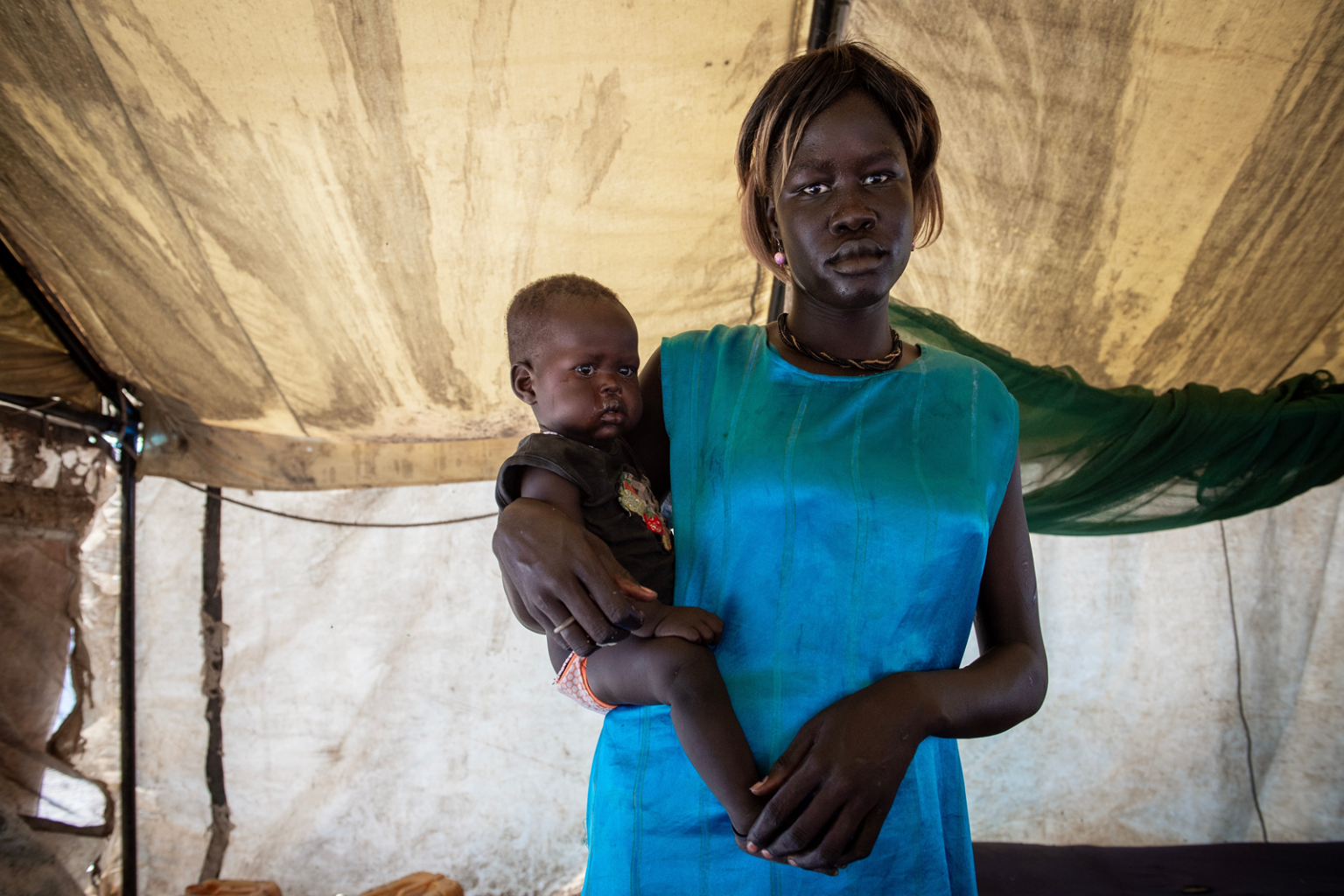
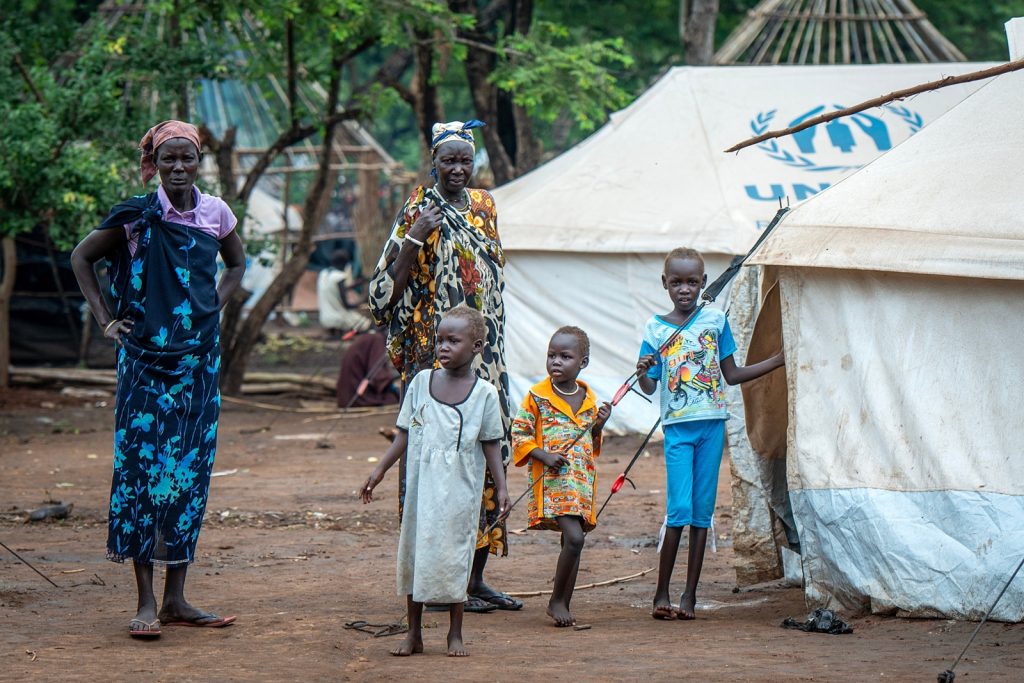
The result is a war of exceptional brutality that remains too often ignored. Even the lower estimate of Sudan’s death toll is higher than the official toll in Gaza and comparable to the toll among Ukrainian soldiers and civilians. Millions of Sudanese have also been displaced, with many fleeing into neighboring countries.
A Call for Urgent Diplomacy
The strongest pressure must come from the Middle Eastern countries backing the rival sides. Saudi Arabia, officially neutral, has helped the Sudanese Armed Forces, while the United Arab Emirates has provided weapons and other support to the R.S.F. Instead of fueling the war, both countries should use their influence to stop it, the editorial suggests.
The United States also has a crucial role. The Trump administration, like the Biden administration before it, has tried unsuccessfully to end the war. In September, the United States, Egypt, Saudi Arabia and the United Arab Emirates proposed a road map to peace, beginning with a three-month truce and followed by negotiations on a transitional civilian government.
The Sudanese Armed Forces rejected that plan. The Rapid Support Forces said they welcomed it, but then launched an assault on El Fasher, a regional capital in western Sudan. According to U.N. findings cited in the piece, 6,000 civilians were killed in three days after the city fell, and U.N. officials said the attack had “the defining characteristics of genocide.”
With El Obeid now nearly encircled, the world must act before another massacre unfolds. The Trump administration should re-engage, and European leaders should also play a stronger role if they want to show greater global responsibility.
Egypt, Saudi Arabia and the United Arab Emirates should stop competing for influence in Sudan and instead prioritize ending the killings.
Sudan has become one of the central tragedies of a new era of global bloodshed. Deaths in armed conflicts have reached their highest level since the 1994 Rwandan genocide, and Sudan has been one of the largest contributors to that grim shift. The rest of the world should act now to protect civilians and bring the war to an end.