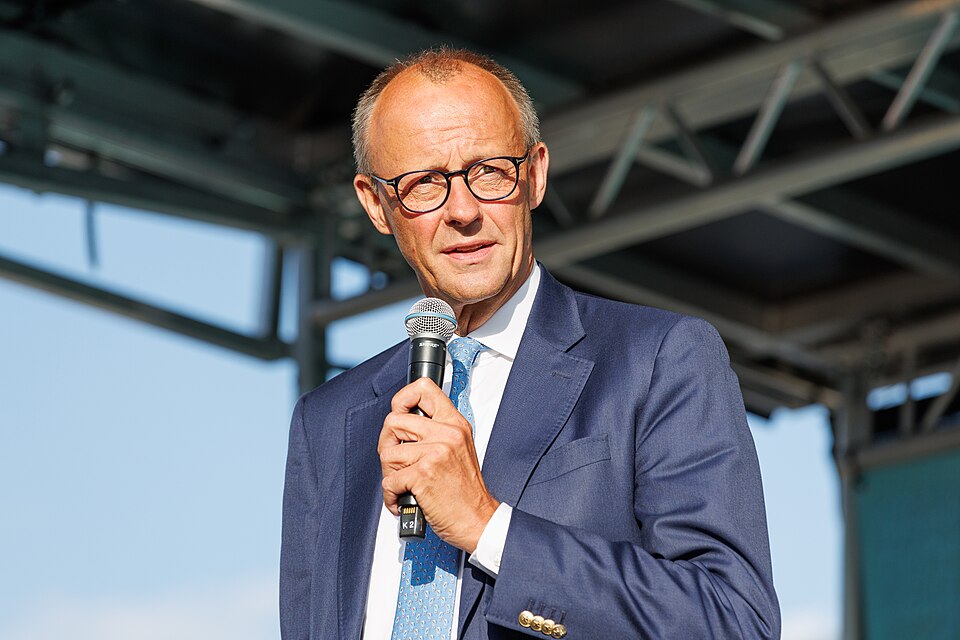
German Chancellor Friedrich Merz unveiled a sweeping 34-measure economic reform package in Berlin on Thursday following intense seven-hour coalition talks.
The new “Programme for Revival and Employment” aims to rescue Europe’s largest stalling economy from the brink of recession by introducing €10 billion in annual income tax cuts and tightening labor laws. This major initiative regarding German economic reforms comes as the country projects a meager 0.5% growth rate this year due to international trade pressures and energy fallout from the Iran war.
The comprehensive plan targets low- and middle-income earners with the bulk of the tax relief, scheduled to take effect on January 1, 2027. Under the new guidelines, a typical family of four earning a combined €60,000 annually will save approximately €600 per year by 2028. To fund these measures and boost industrial productivity, the coalition government committed to a gradual increase in the national retirement age.
Furthermore, the regulations significantly tighten sick leave rules, requiring employees to present a doctor’s note from their first day of illness rather than the previous four-day threshold. Fixed-term employment contracts will also see their maximum duration doubled to 48 months. Through these German economic reforms, the administration hopes to stabilize domestic growth and counter a political surge by the far-right Alternative for Germany party.