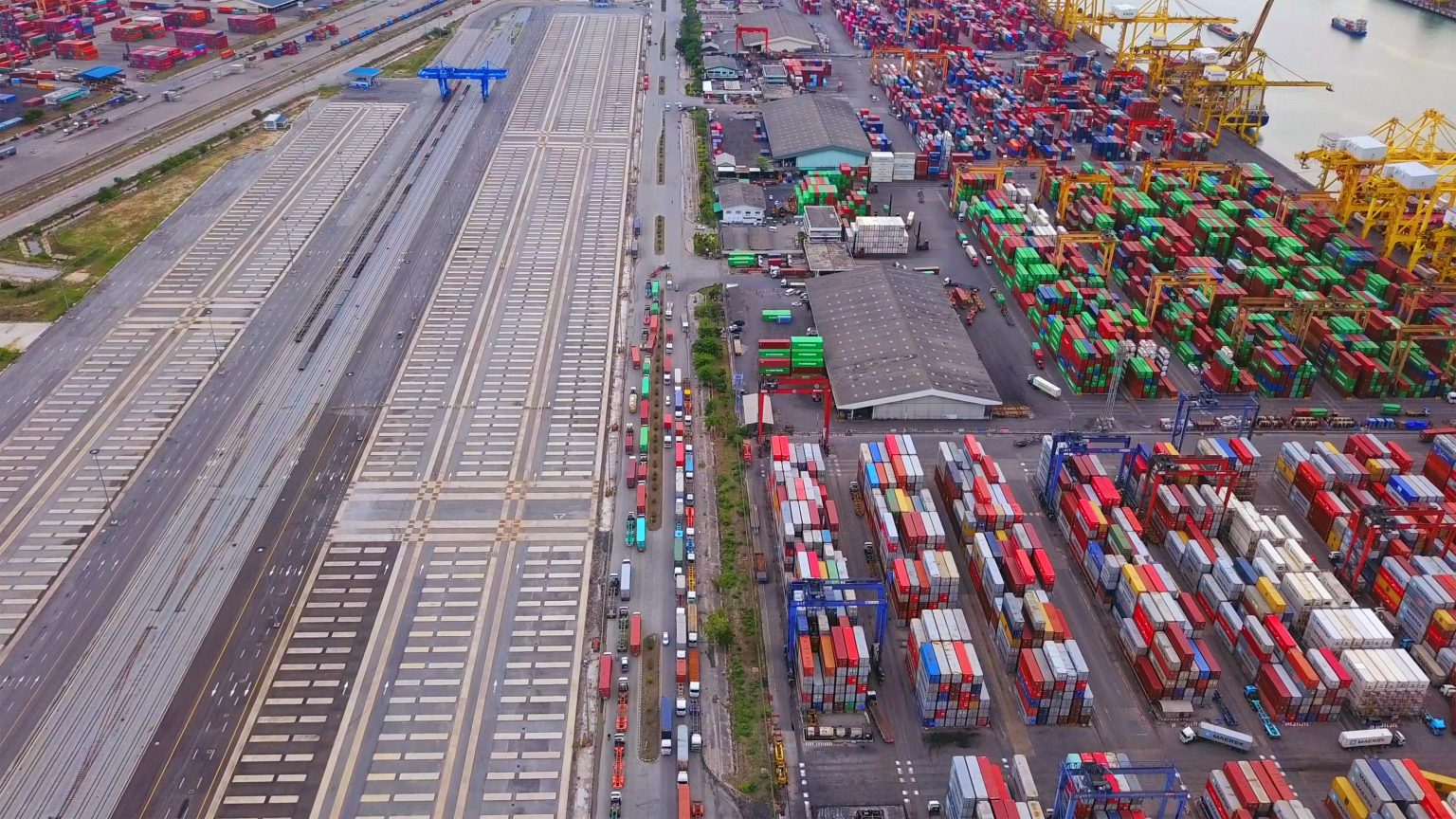
China’s economic expansion decelerated sharply in the second quarter of 2026, growing at its slowest pace in over three years. Data released on Wednesday by the National Bureau of Statistics (NBS) showed Gross Domestic Product (GDP) expanded by 4.3% year-on-year in the April–June period. This missed the 4.5% forecast by economists and fell below Beijing’s full-year target range of 4.5% to 5.0%, representing the weakest quarterly performance since the lockdown-impacted fourth quarter of 2022.
The slowdown highlights a deeply unbalanced recovery. While industrial production rose 5.3% and exports surged a staggering 27% in June, fueled by the global artificial intelligence boom and demand for computer chips, domestic consumption and investment remain severely depressed.
The persistent crisis in China’s property sector continues to erode household wealth, causing consumers to aggressively cut back on non-essential spending. Furthermore, geopolitical headwinds are mounting. Trade tensions with the US and EU remain intense, while maritime trade disruptions from the ongoing Middle East war continue to complicate global supply chains.
With Q2 performance dragging down the first-half average, pressure is intensifying on Beijing’s upcoming Politburo meeting at the end of July to roll out stronger fiscal stimulus and direct household support, rather than relying solely on high-tech manufacturing to float the economy.