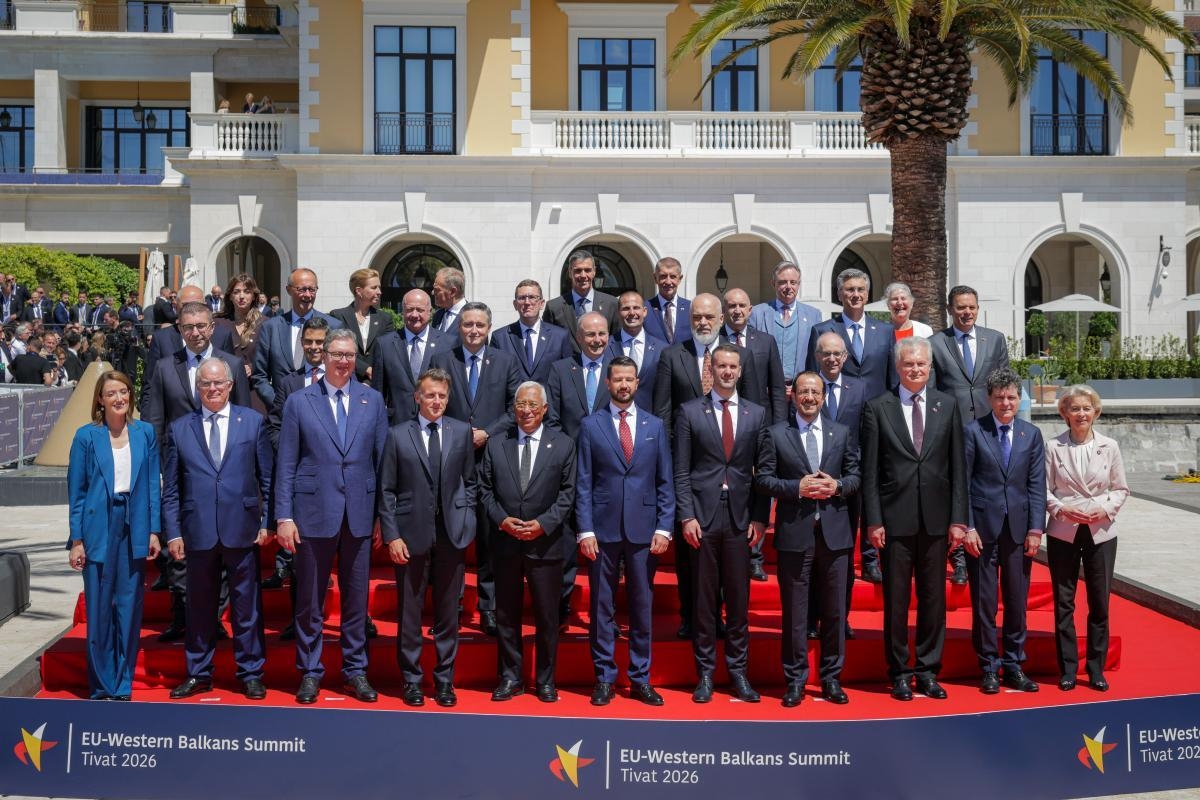
The European Union is preparing a major restructuring of its financial assistance packages for the Western Balkans, planning to systematically reallocate funds to reward nations making rapid progress toward membership while penalizing those lagging on democratic reforms, EU officials revealed on Thursday for Euronews. The exclusive strategy marks a decisive shift toward a strict, performance-based “staged accession” model to accelerate expansion in Southeast Europe.
The funding overhaul follows a milestone announcement on June 30, when the European Commission officially adopted a comprehensive financial package for Montenegro’s upcoming integration. As the clear frontrunner aiming to become the EU’s 28th member state by 2028, Podgorica has already begun drafting its formal Accession Treaty. Under the new funding directives, the EU intends to divert a larger share of its €6 billion Reform and Growth Facility toward advanced candidates like Montenegro and Albania, which met critical rule-of-law benchmarks earlier this year.
Conversely, funding pipelines are expected to tighten or diminish for lagging regional actors, most notably Serbia. Belgrade has not opened a new negotiation cluster since late 2021 amid mounting frustration in Brussels over democratic backsliding, media freedom restrictions, and a lack of alignment with EU foreign policy. By strictly tying financial disbursements to concrete institutional milestones, EU planners aim to incentivize stagnant regimes to enact long-delayed reforms while countering competitive economic investments from external actors like Russia and China.