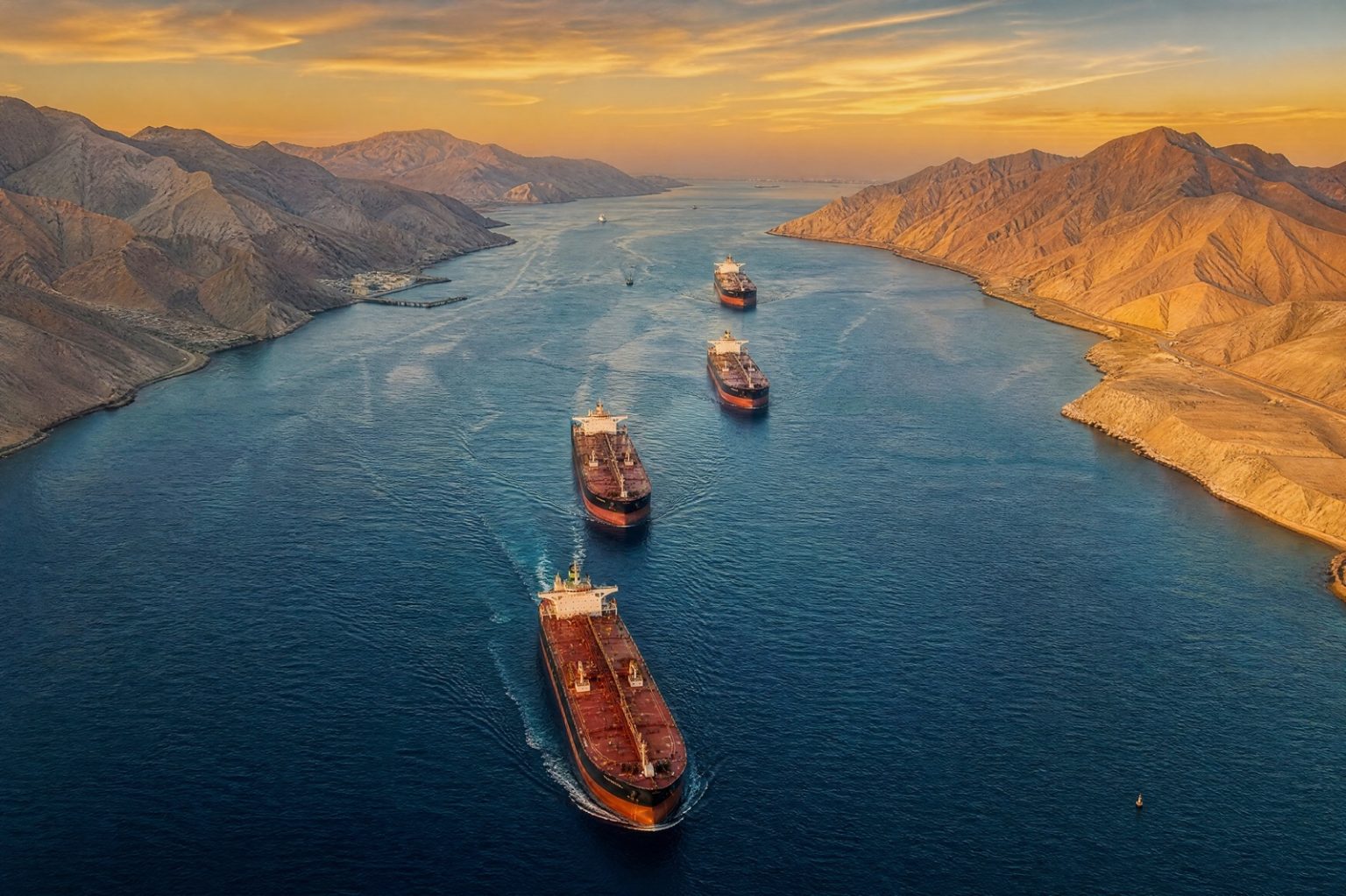
Vessel traffic through the Strait of Hormuz increased on Tuesday, with most ships linked to Iranian trade, before a U.S. blockade of Iranian ports took effect on Wednesday, Reuters reported, citing shipping data.
The movement came after U.S. President Donald Trump reimposed a naval blockade on all Iranian ports and warned that Washington could target power plants and bridges next week unless Tehran returns to negotiations.
According to ship-tracking data from Kpler cited by Reuters, 11 vessels passed through the strait on Tuesday, nine of them using the Iranian route. Three empty oil tankers entered the strait, including one Aframax-sized vessel and two Very Large Crude Carriers.
Several vessels also exited the Gulf with Iranian exports, including one VLCC carrying 2 million barrels of crude, a medium-range tanker carrying refined products and two tankers loaded with liquefied petroleum gas. A methanol tanker and a dry bulk carrier carrying iron ore also left the Gulf.
Reuters reported that there were no visible tanker entries or exits on Tuesday to load oil and gas from other Gulf producers.
The latest shipping data follows a sharp slowdown in traffic through the Strait of Hormuz as U.S.-Iran tensions intensify. Before the war began in February, the waterway carried about one-fifth of global oil and liquefied natural gas shipments each day.
The United States said late Tuesday that Iran had attacked seven commercial ships over the past week, leaving nearly a dozen crew members dead, missing or injured.
Attacks on Emirati supertankers have also pushed Middle East spot crude prices higher, with prompt-month prices now above future-month contracts, a sign of tighter supplies.