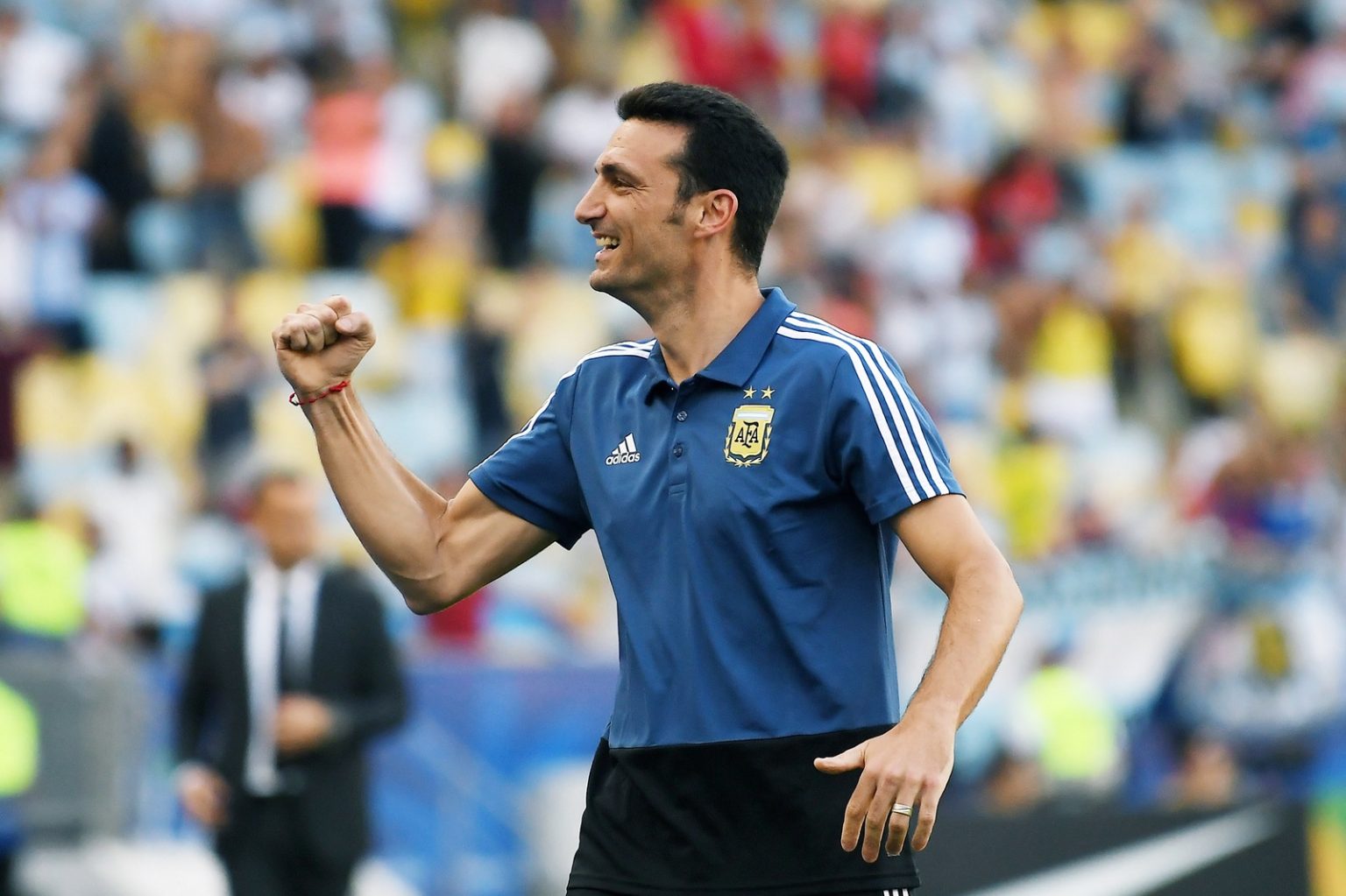
Argentina’s Lionel Scaloni and Spain’s Luis de la Fuente outshone high-profile club managers to lead their nations to the 2026 World Cup final. It results that international success depends more on structural unity and national-team integration than on prestigious club credentials.
The tournament exits of several elite coaches raised some eyebrows. Thomas Tuchel’s England fell in the semifinals to Argentina, while Carlo Ancelotti’s Brazil suffered a round-of-16 exit against Norway. Meanwhile, Germany’s Julian Nagelsmann resigned following a round-of-32 penalty shootout loss to Paraguay, and Mauricio Pochettino’s United States campaign ended in the round of 16 against Belgium.
In contrast, the two finalists relied on non-traditional, federation-first pathways. De la Fuente spent years coaching Spain’s under-18, 19, and 21 squads, establishing a seamless progression to the senior team. Scaloni, hired in 2018 with no prior senior head coaching experience, fostered a deeply unified squad that won the 2022 World Cup. Based on the recent results and success, these systems prove that organic, long-term national setups consistently outperform expensive, quick-fix club-level appointments.