Lithuania is moving toward removing a constitutional ban on nuclear weapons and foreign military bases, adding another Baltic security debate to Europe’s response to Russia’s war in Ukraine.
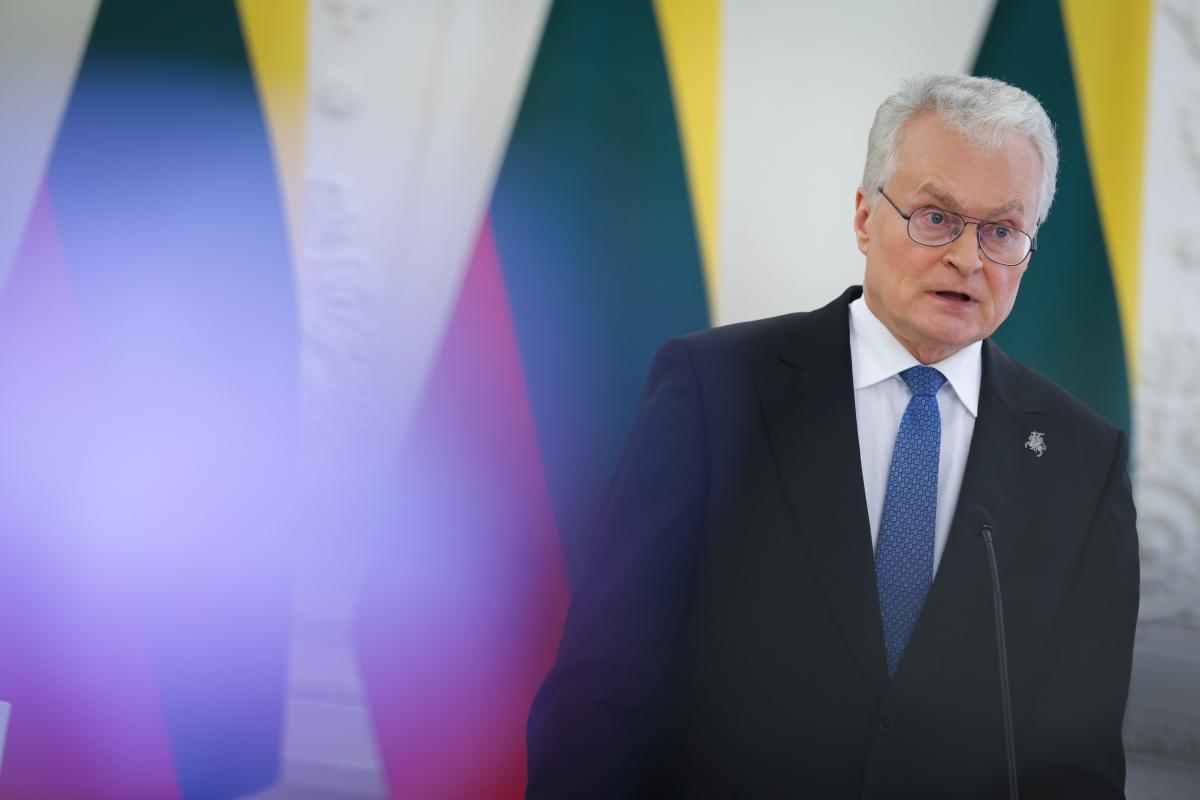
President Gitanas Nauseda said the country’s top political leaders had agreed in principle that the ban should be taken out of the constitution. Article 137 currently prohibits the deployment of weapons of mass destruction and the establishment of foreign military bases on Lithuanian territory.
Nauseda said the clause no longer fits Lithuania’s security environment. “The geopolitical situation is getting worse. Our constitution was written when geopolitical circumstances were totally different,” he said.
Lithuania already hosts a NATO multinational battlegroup, with a permanent presence of up to 5,000 German soldiers. But its location keeps the issue politically sensitive: the country sits near Russia’s heavily armed Kaliningrad exclave and Belarus, Moscow’s closest ally.
The next question is how Vilnius changes the constitution. Lithuanian political leaders must decide whether to seek approval through parliament or put the issue to voters in a referendum.
The move follows Finland, where a long-standing nuclear weapons ban formally ended on Wednesday. The Finnish measure allows the country to receive, transport and facilitate the movement of nuclear arms on its territory as part of allied defence.
Finland has also announced plans with US defence firm Lockheed Martin to build Europe’s first maintenance centre for multiple-launch rocket systems in Tampere. Aleksey Zhuravlyov, first deputy chair of the Russian State Duma Defence Committee, accused Finland of becoming “a second Ukraine” and threatened that Russia had the military strength to destroy half the country.
For Lithuania, the debate now moves from agreement in principle to the harder question of how much of the country’s post-Soviet constitutional settlement should be rewritten.